2026 Best Hunting Sleeping Bag for Your Outdoor Adventures?
Choosing the right Hunting Sleeping Bag can make or break your outdoor experience. According to Matt Stevens, a renowned expert in hunting gear, “Selecting the ideal sleeping bag is crucial for comfort and warmth during the night.” A good hunting sleeping bag keeps you warm, dry, and rested for the adventures ahead.
When you're deep in the wilderness, a quality sleeping bag is your sanctuary. It should offer insulation and durability. Consider factors like temperature rating and weight. A sleeping bag that is too bulky could weigh down your pack. On the flip side, one that's too light may leave you shivering. Finding that balance is essential.
As you prepare for your next hunting trip, reflection on your past experiences is vital. Have you ever chosen a sleeping bag that seemed perfect but failed in extreme temperatures? Avoiding such mistakes requires thorough research and learning from experts like Stevens. This exploration is about understanding the nuances of a hunting sleeping bag that suits your needs.
Understanding the Importance of Choosing the Right Sleeping Bag for Hunting
Choosing the right sleeping bag for hunting is crucial. Different environments call for different insulation types, shapes, and temperature ratings. According to the Outdoor Industry Association, 73% of outdoor enthusiasts consider sleeping comfort essential for a successful trip. A quality sleeping bag can enhance your performance while out in nature.
Consider the average temperature during your hunting season. Data shows that a significant number of hunters encounter hypothermia due to inadequate gear. For example, temperatures can drop dramatically at night, especially in mountainous regions. A sleeping bag with a suitable temperature rating can prevent heat loss. Materials also matter; synthetic insulation dries faster compared to down, which is crucial after a damp day in the field.
Weight is another factor. While a bulky bag may offer warmth, it can hinder mobility. Industry reports indicate that lightweight gear often leads to greater success in long treks. However, many hunters overlook the balance between warmth and weight. A too-light bag may not provide enough insulation. Reflecting on these aspects helps ensure a safer and more enjoyable adventure in the wild.
Key Features to Look for in a 2026 Hunting Sleeping Bag
When selecting a hunting sleeping bag for 2026, consider the insulation type. Synthetic materials excel in wet conditions. They dry quickly and retain warmth, crucial for unpredictable weather. On the other hand, down insulation offers exceptional warmth-to-weight ratios. However, it loses effectiveness when damp. Knowing these differences helps make smart choices.
Temperature rating is vital. Many experts recommend bags rated for at least 20°F below the expected nighttime lows. A 2020 report indicates that 75% of outdoor enthusiasts experience discomfort due to insufficient insulation. Ensure your choice accommodates the coldest nights.
In addition, weight and packability are important. Hunters often trek long distances. A lightweight bag that compresses well is more desirable. Many sleeping bags now use advanced fabrics that balance durability with low weight. Reports show that up to 60% of hunters prefer lighter gear, reflecting trends in performance and mobility. Be mindful: heavier options can limit your range.
2026 Best Hunting Sleeping Bag Features Comparison
This chart displays the comparison of key features across different types of hunting sleeping bags for 2026. The features include Insulation Type, Temperature Rating, Weight, and Waterproof Rating.
Top Brands and Models for 2026 Hunting Sleeping Bags
When it comes to hunting, choosing the right sleeping bag is crucial. The best options for 2026 prioritize insulation and weight. An efficient sleeping bag should keep you warm even in damp conditions. Look for materials that offer both comfort and durability. Many new models feature advanced insulation technology which traps heat effectively.
The top brands for this year emphasize versatility and practicality. Some models can compress tightly for easy packing, while others unfold into spacious areas. Temperature ratings are critical; ensure your choice matches the climate you expect during your adventures. Ventilation is another vital aspect, allowing you to adjust for warmer nights.
Consider the shape of the sleeping bag. Mummy shapes provide better insulation, while rectangular styles offer more space to move. Each design has its pros and cons. A trustworthy bag withstands wear and tear over time. Check reviews to learn about the durability of the model you are interested in. It’s a good idea to test a few options before committing to a long trip.
2026 Best Hunting Sleeping Bag for Your Outdoor Adventures
| Model |
Temperature Rating (°F) |
Weight (lbs) |
Insulation Type |
Price (USD) |
| UltraLight Hunter |
20 |
2.5 |
Synthetic |
$150 |
| Forest Explorer |
15 |
3.2 |
Down |
$250 |
| Extreme Weather Bag |
0 |
4.0 |
Synthetic |
$300 |
| Compact Travel Bag |
25 |
2.0 |
Down |
$180 |
| All Season Comfort |
30 |
3.5 |
Synthetic |
$130 |
Material and Insulation Options for Optimal Warmth and Comfort
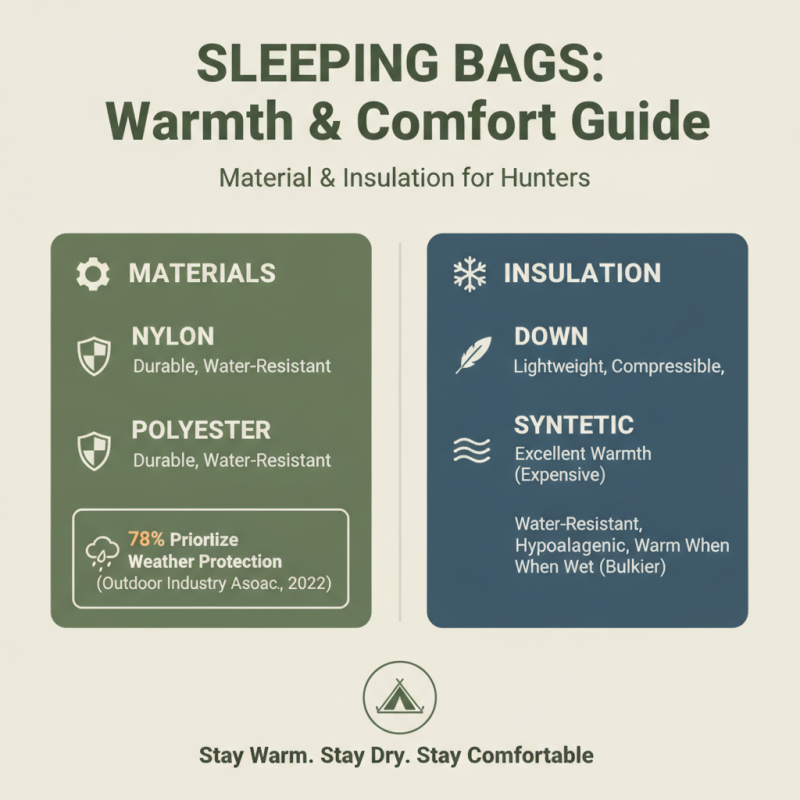
When choosing a sleeping bag for your next hunting adventure, material and insulation play crucial roles for warmth and comfort. Popular materials include nylon and polyester, known for their durability and water resistance. According to a 2022 survey from Outdoor Industry Association, 78% of campers prioritize weather protection in their gear. A sleeping bag with a water-resistant shell helps keep moisture out during unexpected downpours.
Insulation options can vary significantly. Down insulation provides excellent warmth-to-weight ratios but loses effectiveness when wet. Synthetic insulation, on the other hand, maintains performance even in damp conditions. The 2021 Camping Equipment Market Report indicated that synthetic bags have gained popularity due to their reliability in various climates. Finding the right balance between weight and insulation is key, as bulky bags can deter adventures.
Tips: Always consider the temperature rating of your sleeping bag. A bag rated for three seasons can be versatile. Remember, personal comfort preferences also matter. Test your setup at home before heading out. This can help you determine if it meets your needs. Reflect on your specific requirements based on climate and terrain to make an informed choice.
Care and Maintenance Tips for Your Hunting Sleeping Bag
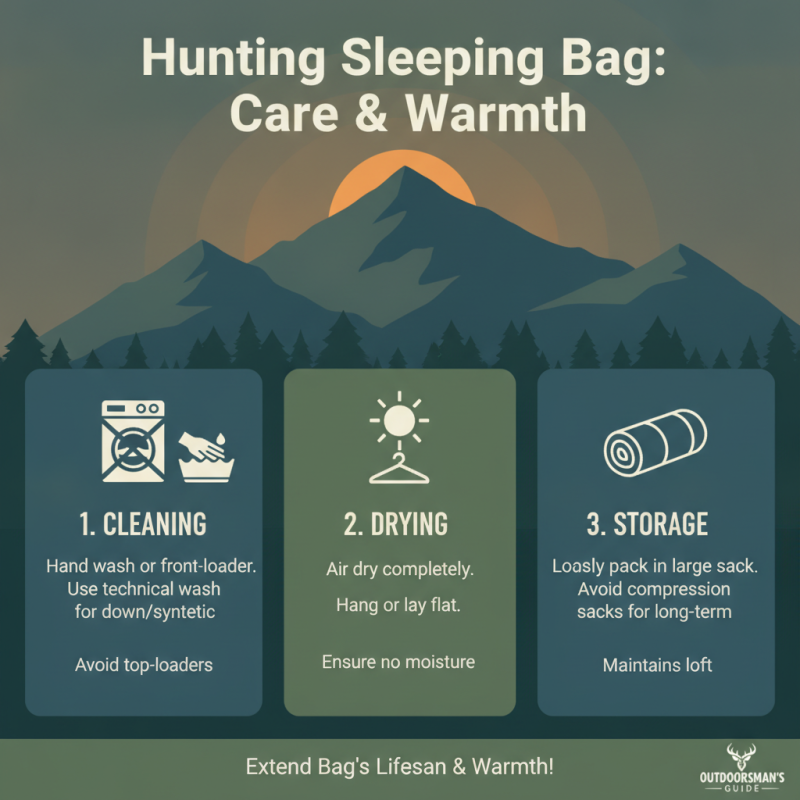
When it comes to hunting, a reliable sleeping bag is essential. Proper care and maintenance can extend its lifespan. The American Hiking Society reports that regular cleaning can improve insulation efficiency. Dirt and oils can degrade materials, which impacts warmth.
To maintain your hunting sleeping bag, consider these tips: Store it loosely. Compression can damage insulation over time. Washing your bag with mild soap, using a front-loading machine, can prevent clumping. Always check the care label for specific recommendations.
Don't forget to air out your sleeping bag after each use. This helps eliminate moisture. Peeling and wear may signify it's time for replacement. Regular inspections can aid in spotting these issues early. Keeping an eye on zippers and seams ensures durability during your adventures. Always prioritize care for a worthwhile outdoor experience.



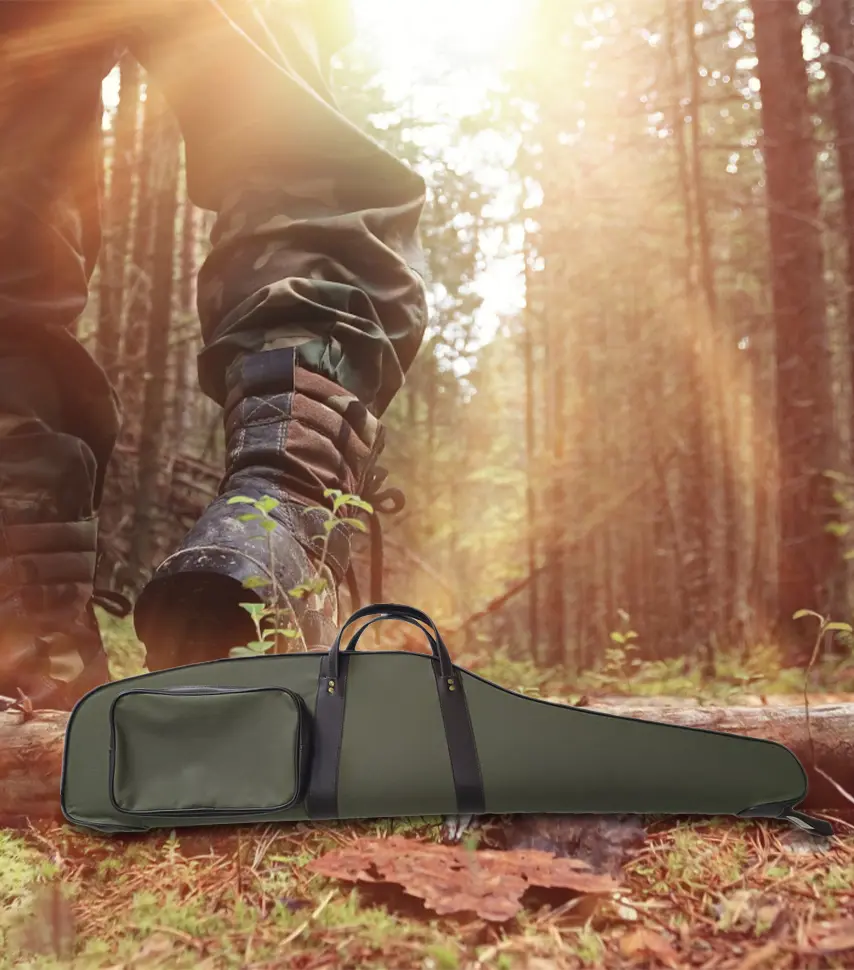 Hunting And Shooting Bag LSH
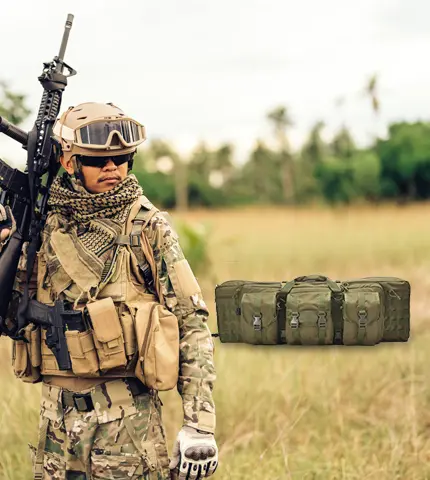 Tactical Military Bag & Vest LST
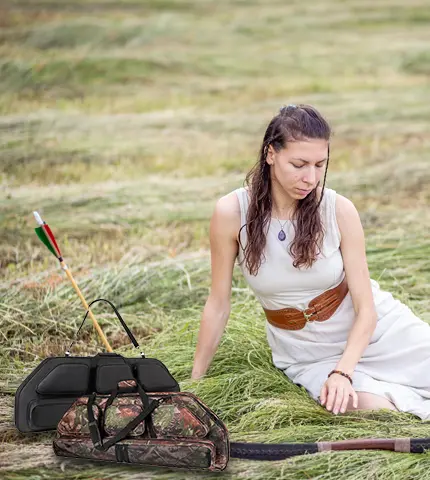 Archery Bag LSC
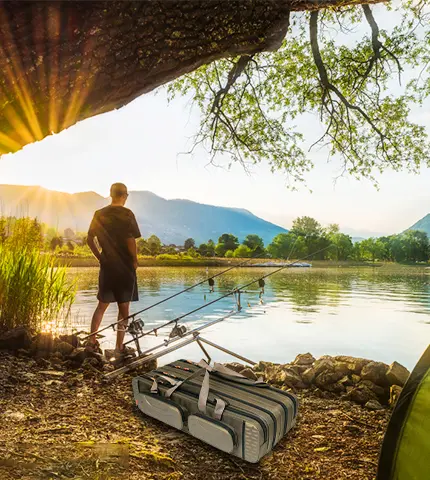 Fishing Bag LSF
 Others LSB