Leave Your Message

What Are the 2026 Top Duck Hunting Bag Types?

Choosing the right Duck Hunting Bag in 2026 means balancing weather protection, carrying comfort, organization, and responsible field use. The best design is not always the largest one. It should carry essentials without becoming a heavy, noisy burden beside the blind.

Outdoor gear expert Chris Dorsey has often emphasized a practical principle: “The best gear disappears when you are using it.” That idea fits duck hunting bags well. A waterproof backpack may suit long walks through wet grass, while a compact blind bag keeps calls, licenses, gloves, shells, and snacks within easy reach. A layout blind bag can offer fast access, but it may feel bulky during boat travel. A floating shell bag adds reassurance near water, although it should never replace careful handling or local safety rules.

Small details matter. Look for sealed zippers, drainable compartments, padded straps, and quiet fabric. Mud collects under bottom panels. Cold fingers struggle with tiny pulls. Good bags account for these moments. They also use strong stitching around handles and straps, where repeated loading creates stress.

No ranking is perfect. I still overpack on cold mornings. That habit reveals an important point: capacity should support preparation, not encourage clutter. This guide compares the top Duck Hunting Bag types for 2026 through field practicality, material quality, comfort, and long-term reliability. It focuses on lawful, ethical outdoor use and avoids treating equipment as a substitute for judgment.
What Are the 2026 Top Duck Hunting Bag Types?

Main Duck Hunting Bag Types in 2026

Main Duck Hunting Bag Types in 2026

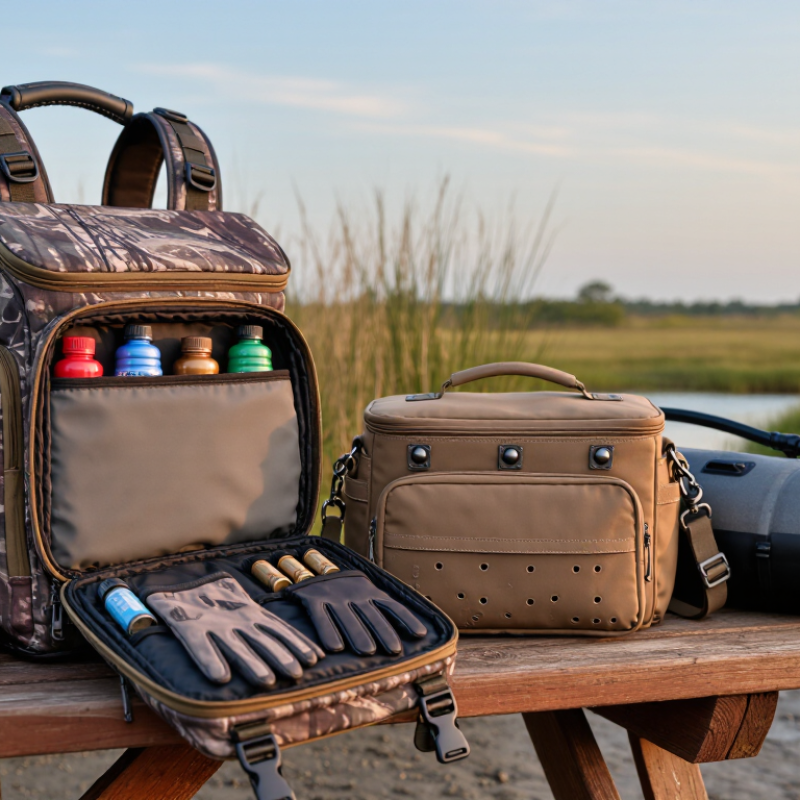
Duck hunting bags now serve different field conditions, not just storage needs. A waterproof blind bag remains popular for shells, calls, gloves, and snacks. Its wide opening helps hunters find small items in poor light. Strong zippers and sealed seams matter more than decorative features. I prefer a bag with quiet fabric. Loud rubbing can disturb nearby birds.

A floating bag adds another layer of security near ponds and marshes. It should resist water and remain visible if dropped. Many hunters choose backpack-style bags for long walks across muddy ground. Padded straps reduce shoulder pressure, especially when carrying several kilograms of equipment. Waist and sling bags suit short trips. They keep essential tools close, but their capacity is limited. Small is useful.

Modular bags are becoming more practical in 2026. Removable pouches can separate wet gloves, food, first-aid supplies, and personal documents. This arrangement improves hygiene and reduces searching time. Field experience also shows a common mistake: buying too much capacity. An oversized bag often becomes heavy and disorganized. I still overpack on cold mornings. That habit needs correction. Check local seasons, access rules, and equipment requirements before each trip. A reliable bag should support lawful, careful outdoor practice without restricting movement.

Key Features of Modern Duck Hunting Bags

What Are the 2026 Top Duck Hunting Bag Types?

Key Features of Modern Duck Hunting Bags

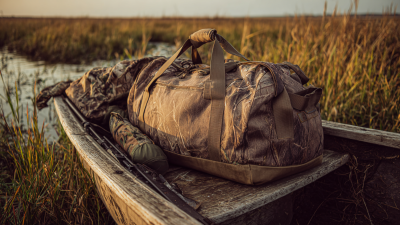
Modern duck hunting bags are designed around movement, weather, and quick access. Waterproof or water-resistant fabric protects licenses, shells, gloves, and electronic devices from spray. Reliable zipper seals and reinforced seams matter more than flashy styling. A muddy shoreline exposes weak stitching quickly.

Backpack-style bags suit longer walks through marshes and uneven ground. Padded shoulder straps reduce pressure when the load grows heavy. Chest and sling bags work better for short routes or fast gear access. Waist packs remain useful for small essentials, especially when waders already limit movement. Modular attachment points allow hunters to adjust storage without carrying unnecessary weight.

The strongest designs include drainage panels, quiet hardware, and wide openings. Quiet materials help reduce sudden noise near resting birds. Internal dividers prevent calls, snacks, and first-aid items from becoming one tangled pile. A stable base keeps the bag upright in wet grass. Small details matter.

I prefer bags with simple compartments because complicated layouts can slow me down. I still overpack on cold mornings. That habit deserves more attention. A bag should carry necessary equipment, not every possible solution. Fit also depends on body shape, clothing layers, and local terrain. Before choosing, inspect the stitching, test the straps, and check whether the bag remains comfortable after an hour outside. A durable bag supports responsible, prepared outdoor activity without replacing sound judgment.

Comparing Capacity, Storage, and Weather Protection

What Are the 2026 Top Duck Hunting Bag Types?

In 2026, the most practical duck hunting bags fall into three groups: compact shoulder bags, waterproof backpacks, and floating blind bags.

A shoulder bag suits short walks and light gear.

It usually holds shells, calls, gloves, snacks, and a small first-aid kit. Capacity often ranges from 10 to 20 liters. That sounds sufficient. It is not always enough.

A waterproof backpack works better for long wading approaches.

Its 25-to-40-liter space can carry spare layers, lunch, binoculars, and dry socks. Separate compartments prevent wet gloves from soaking paperwork or electronics. Padded straps also spread weight across both shoulders.

However, a full backpack can snag on reeds and feel awkward inside a cramped blind. I have made that mistake more than once.

Floating blind bags prioritize access and weather protection.

Their wide openings make calls and ammunition easy to reach while sitting. Closed-cell foam, welded seams, and water-resistant zippers help protect contents during rain or an accidental drop. Look for reinforced handles and a stable base.

A floating design is helpful, but it is not a substitute for careful handling. Storage layout matters as much as volume.

Small exterior pockets should close securely, while larger internal spaces should hold soft items without crushing them.

In cold weather, stiff fabric and frozen zippers can reduce usability. Test every zipper with gloves before choosing a bag.

Choosing the Right Bag for Hunting Conditions

In 2026, the best duck hunting bag depends on weather, terrain, and how far you walk. A waterproof blind bag suits wet marshes and boat access. It protects calls, gloves, licenses, and spare ammunition from sudden rain. A lightweight backpack works better for long walks across flooded fields. Padded straps reduce shoulder strain, though overloaded packs still become uncomfortable.

For decoy transport, a dedicated decoy bag offers strong mesh panels and quick drainage. It is useful near muddy shorelines, where wet equipment needs airflow. A shell pouch keeps ammunition separated and reachable, but it should close securely during movement. In cold conditions, choose a bag with quiet fabric and room for hand warmers. Loud zippers can disturb nearby birds. I once carried too much gear and ignored comfort; that mistake made the return walk unnecessarily difficult.

Tips: Match the bag to the route, not the wish list. Test every pocket while wearing gloves. Keep licenses and emergency items in a sealed inner pouch. Check stitching, buckles, and drainage holes before each trip. Avoid bags that hold everything but offer no organization. A smaller, balanced load often performs better than a larger bag. Conditions change quickly, so pack one dry layer and protect electronic devices from moisture.

Care, Maintenance, and Safe Use of Duck Hunting Bags

In 2026, practical duck hunting bags include waterproof dry bags, structured blind bags, backpack-style gear bags, and separate decoy bags. Each type serves a different load. A dry bag protects licenses, phones, and spare gloves from rain and marsh water. A blind bag keeps shells, calls, snacks, and cleaning items organized. Decoy bags need reinforced stitching and wide openings because wet weights can strain weak seams.

The 2022 National Survey of Fishing, Hunting, and Wildlife-Associated Recreation reported about 2.3 million migratory bird hunters in the United States. That participation level makes dependable gear maintenance more than a comfort issue. After every outing, empty each pocket and rinse mud from zippers and buckles. Let the bag dry completely, preferably in shade. Direct heat can warp coatings and weaken synthetic fabric. I inspect the bottom panel first. It receives the worst abuse.

Safe use requires restraint. Keep sharp tools covered, distribute heavy equipment close to the body, and avoid overloading shoulder straps. A torn strap can fail while crossing slippery ground. Store ammunition and electronic devices in separate, sealed compartments, following applicable local rules. The U.S. Fish and Wildlife Service emphasizes lawful migratory bird hunting, identification, and reporting requirements in its annual regulations. Check current rules before each season.

I sometimes pack too much. That is poor judgment, not preparedness. A quarterly seam inspection, silicone-based zipper care, and prompt repair can extend service life. Replace a bag when its waterproof lining flakes, even if the exterior still looks usable.