How to Choose the Best Hunting Duffle Bag for Your Needs?
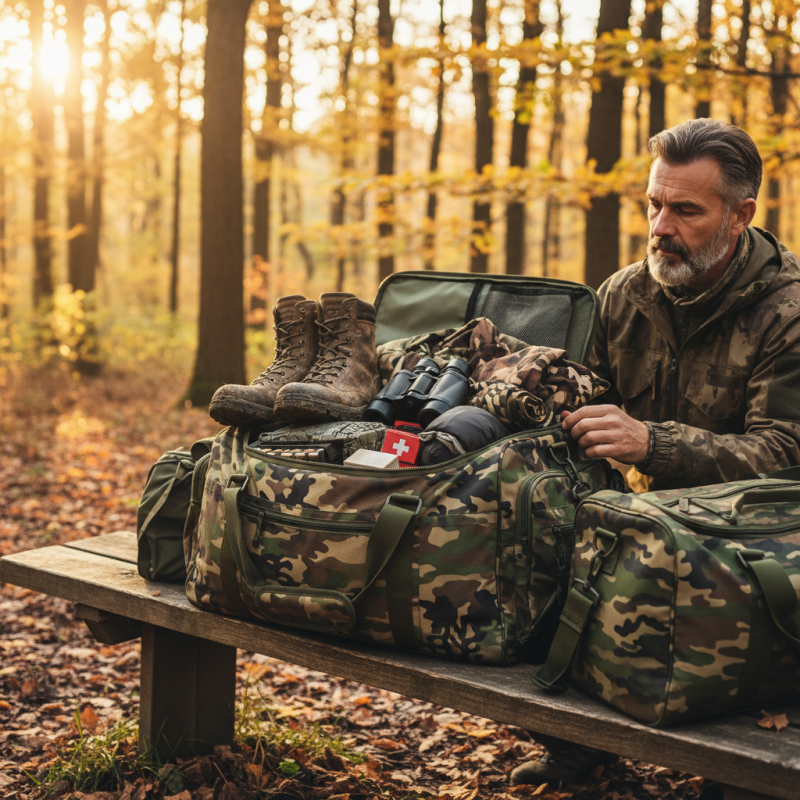
When it comes to selecting the perfect hunting duffle bag, expert John Stevens emphasizes, “A good bag can make or break your hunting experience.” With numerous options available, finding the right hunting duffle bag can feel overwhelming. You’ll want to consider various features that cater to your needs and preferences.
A quality hunting duffle bag should offer durability and ample space. Features like waterproof materials and sturdy zippers are essential. Picture a bag that can withstand the elements while keeping your gear organized and easily accessible. Remember, not every bag will meet these standards. You might find one that looks appealing but fails in functionality.
Moreover, comfort is crucial. Straps should be padded and adjustable. It's vital to try the bag before purchase to ensure a good fit. You may end up regretting a decision made in haste. The right hunting duffle bag is worth the time and effort spent on choosing it wisely.
Understanding Your Hunting Gear Needs
Understanding your hunting gear needs is vital when choosing the right duffle bag. You need to assess the type of gear you typically carry. Consider rifles, bait, or cooking supplies. Each type of hunting calls for different equipment. Knowing what you bring helps determine the size of your duffle bag.
Think about the environment you hunt in. Wet or muddy conditions require a bag that is water-resistant. If you hunt in cold weather, insulation compartments for food or gear may be necessary. A lightweight option can enhance mobility. However, don't overlook durability. If your gear is heavy, a flimsy bag won’t suffice.
Evaluate the organizational features you require. Pockets, dividers, and external straps can keep items organized. Yet, too many compartments may lead to confusion. Simplicity can be beneficial. Each choice you make should reflect your hunting habits. Reflect on past trips. What worked? What didn’t? Use those lessons to select a bag that enhances your experience.
Choosing the Best Hunting Duffle Bag - Features and Preferences
Evaluating Size and Capacity Requirements
Choosing the right hunting duffle bag starts with evaluating your size and capacity requirements. Think about your hunting trips. How long do you stay out? A day trip requires less space than a week-long adventure. A bag for a weekend should fit essentials like clothing and gear comfortably.
Consider the bag's dimensions. Small bags might fit basic items, but can you squeeze in all necessary supplies? A larger bag allows for more equipment but can be cumbersome. Remember to think about weight as well. If it's too heavy, you might struggle during your hike.
Pockets and compartments can add functionality. Think about where everything will go. Unorganized bags lead to frustration. You might misplace important items. A bag with designated spots can save time and hassle. Reflect on your needs. Each hunter has unique requirements. Finding the perfect balance is crucial.
How to Choose the Best Hunting Duffle Bag for Your Needs? - Evaluating Size and Capacity Requirements
| Bag Type |
Size (inches) |
Capacity (liters) |
Weight (lbs) |
Material |
Water Resistance |
| Standard Duffle |
24 x 12 x 12 |
50 |
3.5 |
Canvas |
Yes |
| Tactical Duffle |
30 x 14 x 14 |
80 |
5.0 |
Polyester |
Yes |
| Lightweight Duffle |
22 x 10 x 10 |
35 |
2.5 |
Nylon |
No |
| Weekend Duffle |
28 x 12 x 12 |
60 |
4.0 |
Ripstop Nylon |
Yes |
| Expedition Duffle |
36 x 16 x 16 |
100 |
6.0 |
Heavy-duty PVC |
Yes |
Examining Pocket and Compartment Features
When choosing a hunting duffle bag, consider the types of pockets and compartments. Good organization is crucial for hunters. A well-designed bag should have multiple pockets of varying sizes.
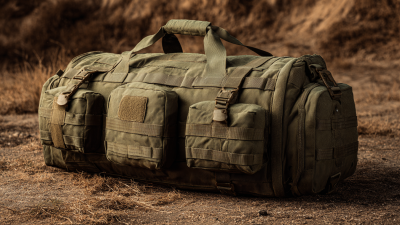
Large compartments can hold bigger items like clothing. Smaller pockets are perfect for tools and accessories. Think about accessibility too. Zippers should be easy to use, even with gloves on.
Some hunters overlook the importance of waterproof pockets. Wet conditions can ruin gear. Therefore, having at least one waterproof pocket is essential. This feature protects electronics and other sensitive items. Additionally, consider side pockets for quick access to critical gear. These are handy when you need to grab something quickly.
One common mistake is choosing a bag without sufficient internal organization. A bag may look great but offer poor functionality. Without adequate space for organization, finding items can become frustrating. Reflect on how you typically pack for hunts. This will help identify the right pocket configurations for your needs. Make an informed choice to enhance your hunting experience.
Assessing Comfort and Portability Options
When choosing the best hunting duffle bag, comfort and portability are critical factors. A bag that feels heavy and cumbersome can ruin your outdoor experience. Look for options with padded shoulder straps. This feature helps reduce the weight on your back. Adjustable straps also provide a better fit. You might prefer a bag that sits comfortably against your body while you hike.
Consider weight distribution when selecting your bag. The design should allow you to carry it effortlessly. A well-balanced bag helps minimize fatigue. Some bags have extra handles that enable a different carrying style. This option is worth contemplating if you expect to move quickly between locations.
Tips: Test the bag with weight in it. Walk around your home and see how it feels over time. Make adjustments as needed. Check for extra pockets too. Each pocket can help with organization. You might need quick access to gear. A poorly designed bag can lead to frustration on the hunt. Choose wisely, and don't forget to evaluate how you feel while using it.



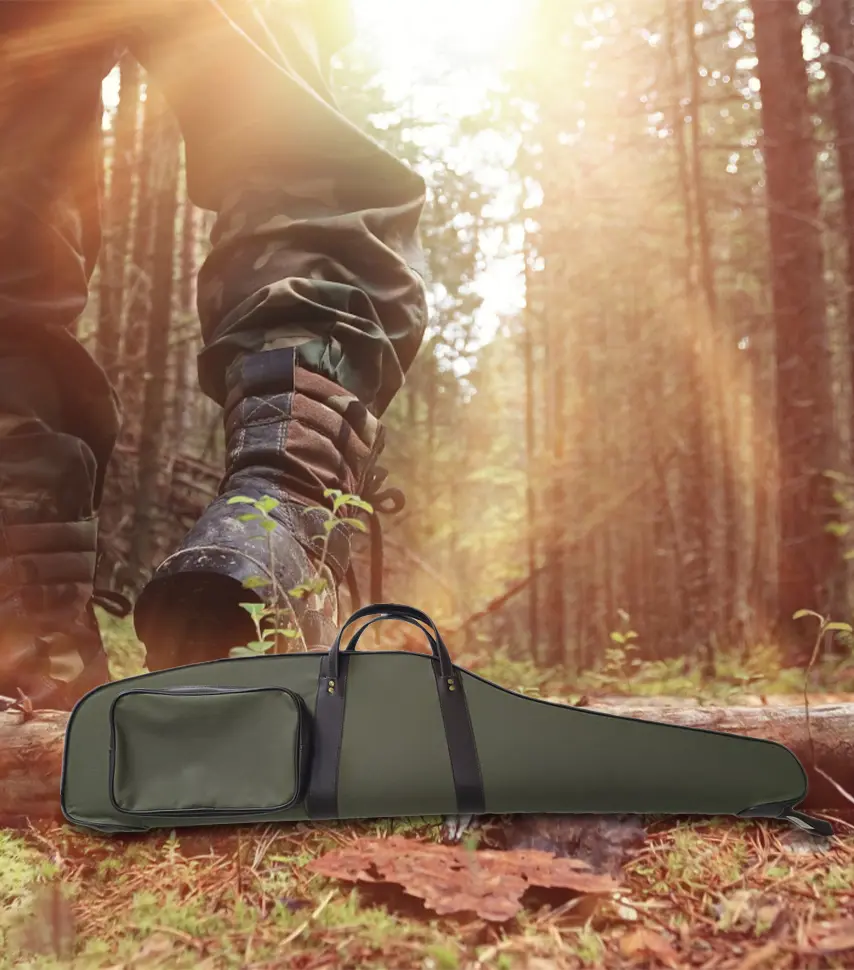 Hunting And Shooting Bag LSH
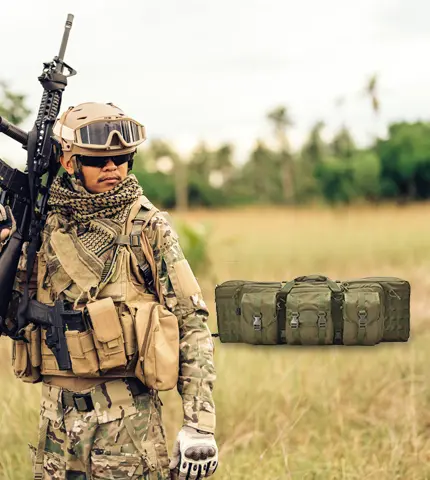 Tactical Military Bag & Vest LST
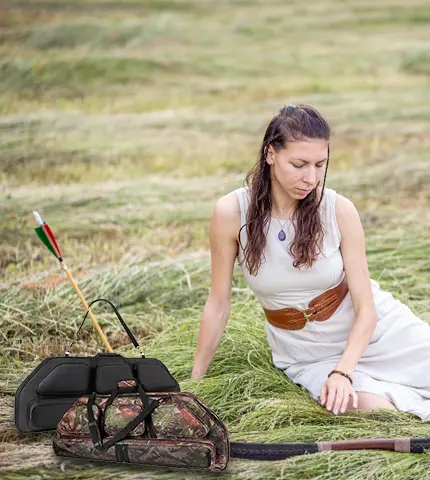 Archery Bag LSC
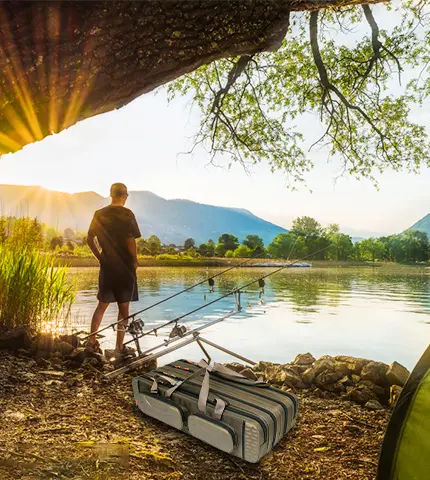 Fishing Bag LSF
 Others LSB