How to Choose the Right Hunter Bag for Your Needs?
Choosing the right Hunter Bag is essential for your outdoor adventures. Whether you are hiking, camping, or hunting, the right bag can enhance your experience. With various sizes, materials, and features available, finding the perfect fit takes some thought.
When selecting a Hunter Bag, consider the activities you will engage in. A larger bag may be beneficial for longer trips, while a smaller one works for day hikes. Durability is crucial; look for materials that withstand harsh conditions. Comfort is important too, especially during long outings. Also, think about accessibility. Zippers and pockets should be easy to reach.
It’s easy to overlook personal style. You might prefer bright colors or traditional patterns. This choice reflects your personality. However, keep functionality in mind. Sometimes, the sleekest design may lack essential features. Take time to weigh your options and choose wisely. Finding the right Hunter Bag can make your journey more enjoyable and memorable.
Understanding the Different Types of Hunter Bags Available
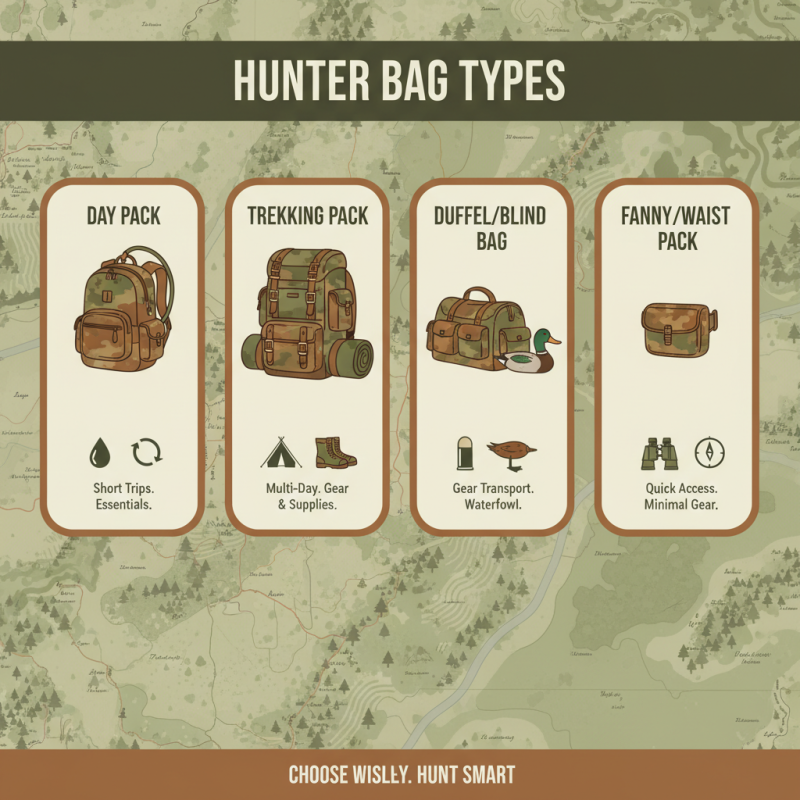
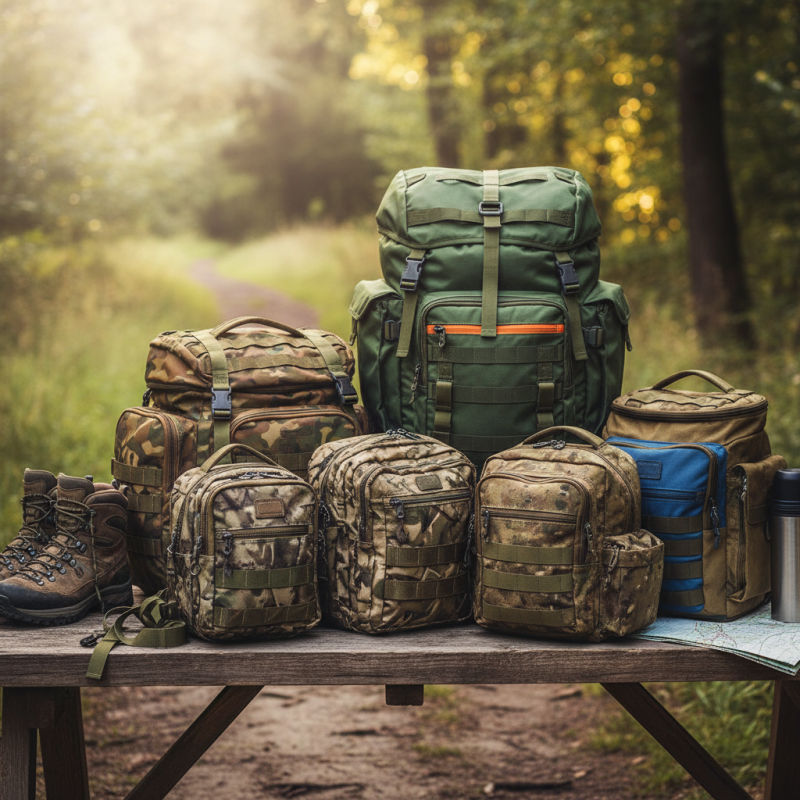
When selecting a hunter bag, understanding the types available is crucial. There are several styles tailored to specific needs. For instance, a day pack is perfect for short trips. It offers enough space for essentials without being cumbersome. Look for features like hydration pockets and adjustable straps.
Another option is a large capacity backpack. This type suits long hunts and extended trips. It allows for more gear and supplies. Yet, the extra space can lead to overpacking. Many hunters might fill these bags to the brim, which can be inefficient. Consider what you truly need for your outing.
Then, there are specialized bags, like rifle bags and accessory pouches. These cater to specific equipment. A rifle bag usually features padding and protective compartments. It helps keep your gear safe during transport. Think about your hunting style. Do you often switch locations? If so, a versatile option might be better. Overall, assessing your own requirements can be a process of trial and error.
Evaluating Your Specific Hunting Needs and Activities
When choosing a hunter bag, it’s essential to evaluate your specific needs and activities. Different types of hunting require different gear. For example, a day hunt may need a compact bag. In contrast, extended trips might require larger packs with extra storage. Think about your typical outing. How long do you stay outdoors? What equipment do you carry?
Consider the type of terrain you’ll navigate. If you hunt in rugged areas, durability is crucial. Look for strong materials that withstand wear and tear. An ergonomic design can make a big difference, especially when carrying heavy loads over rough ground. You might also want additional features, like waterproofing or built-in compartments for organizing gear.
Reflect on your personal experiences too. Have you ever felt unprepared? Many hunters learn the hard way. Sometimes, choosing the wrong bag leads to frustration. A bag can’t do it all. It needs to align with your hunting style. Each trip teaches something new, including what gear truly fits your needs. Prioritize your choices and adapt over time.
Key Features to Consider When Selecting a Hunter Bag
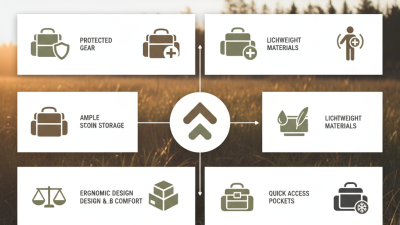
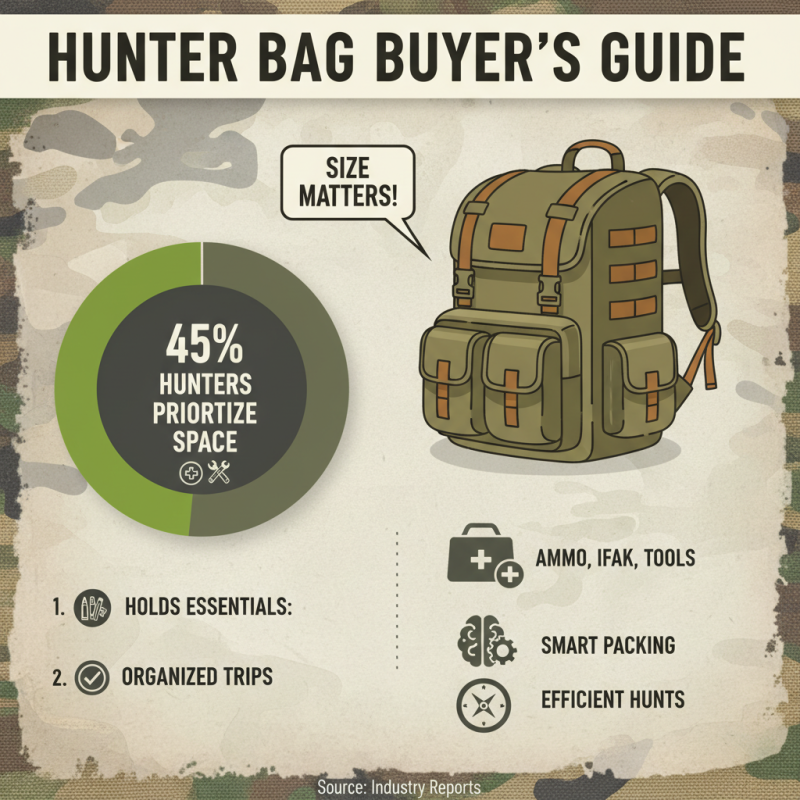
Choosing the right hunter bag requires careful consideration of key features. One important aspect is size. A bag should comfortably hold essentials like ammunition, first aid kits, and tools. According to industry reports, 45% of hunters prioritize a spacious interior. This helps ensure that everything stays organized during trips.
Durability is another critical factor. Many hunters face tough conditions, so a robust material is essential. Research indicates that bags made with high-quality, water-resistant fabrics last longer. About 60% of hunters reported that durability affected their purchase decisions significantly.
Weight should not be overlooked either. A lighter bag can reduce fatigue during long excursions. Nearly 35% of hunters suggest that they prefer lightweight options. However, lighter materials often compromise on durability. Balancing these aspects can be challenging but necessary for a successful hunting experience. Remember, every hunter's needs are unique, so a bit of reflection is often needed to find the perfect fit.
Material and Durability: Choosing the Right Fabric for Your Bag
When choosing a hunter bag, material and durability rank high. Many outdoor enthusiasts overlook the significance of fabric types. Various reports indicate that bags made from nylon typically offer superior resilience and water resistance, ideal for unpredictable weather. However, leather bags have their own allure, showcasing a natural elegance but may not withstand extreme conditions.
A recent study highlighted that 75% of users prefer bags with reinforced stitching. This feature is vital for longevity in rough terrains. Canvas also presents a balanced choice. While it's less durable than nylon, it's often lighter and easier to clean. Balancing weight and durability can be tricky, and many find themselves torn.
Consider the environment where the bag will be used. A lightweight fabric may suffice for short trips, but longer excursions demand sturdier options. The challenge lies in perfecting the selection process. Many individuals regret impulsive choices later, realizing their bags do not meet their specific needs. Prioritizing durability ensures that the investment lasts, making each journey more fulfilling.
How to Choose the Right Hunter Bag for Your Needs? - Material and Durability
| Material Type |
Durability Rating (1-10) |
Water Resistance |
Weight (grams) |
Ideal Use |
| Nylon |
8 |
Yes |
500 |
Hiking |
| Canvas |
7 |
No |
800 |
Casual Use |
| Leather |
9 |
Yes |
1200 |
Urban |
| Polyester |
6 |
Yes |
450 |
Travel |
| Cordura |
10 |
Yes |
600 |
Outdoor Activities |
Budgeting for Quality: Finding the Right Price Point for Hunter Bags
When budgeting for a hunter bag, consider both quality and price. It is tempting to choose the cheapest option. However, lower prices often mean lower quality. A bag made from durable materials can last for years. Investing a bit more upfront may save you money in the long run.
Determine your main needs first. Will you carry it for long hikes? Or just short trips? A larger bag may be necessary for lengthy adventures, but smaller bags work for quick outings. You also want to ensure it has the right compartments. Finding a bag with enough pockets can keep your gear organized and accessible.
Consider the styles available within your budget. Not all attractive bags are practical, and not all practical bags are stylish. You may find a balance between aesthetics and usability. Research user reviews for insights on durability and comfort. Reflecting on your own experience can lead to a better choice.



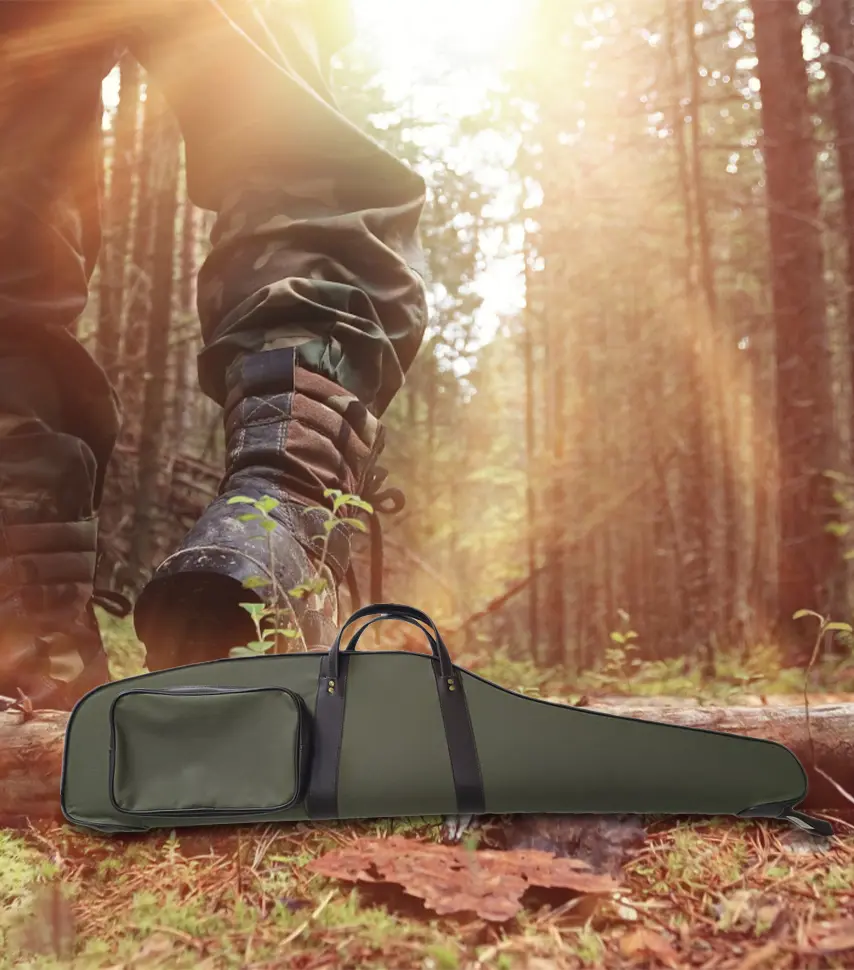 Hunting And Shooting Bag LSH
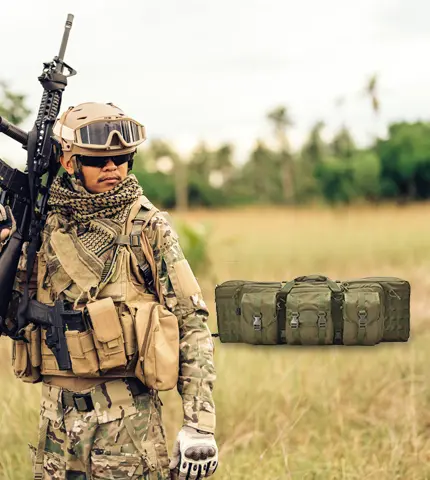 Tactical Military Bag & Vest LST
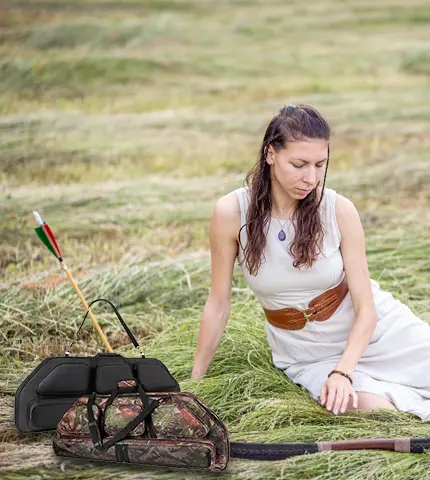 Archery Bag LSC
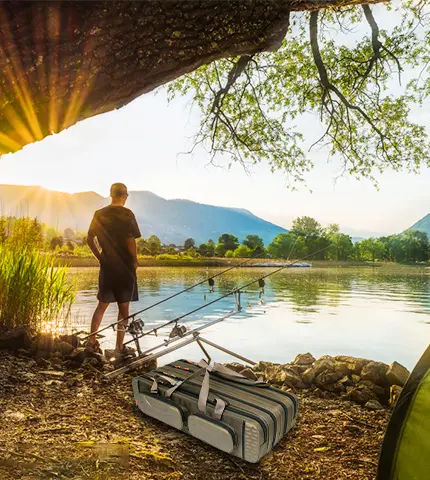 Fishing Bag LSF
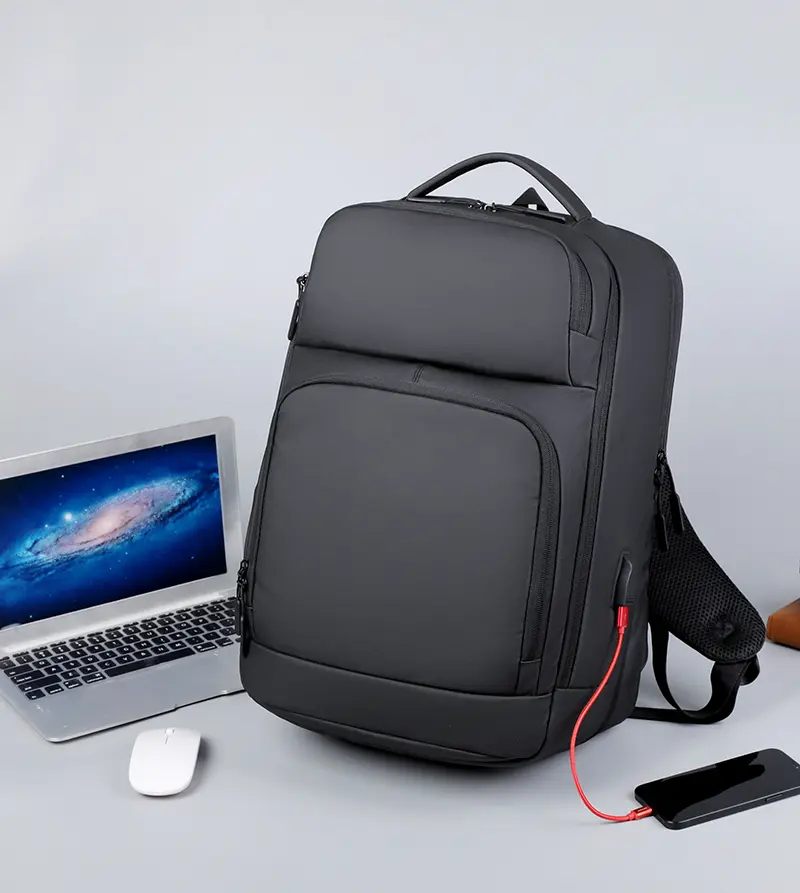 Others LSB