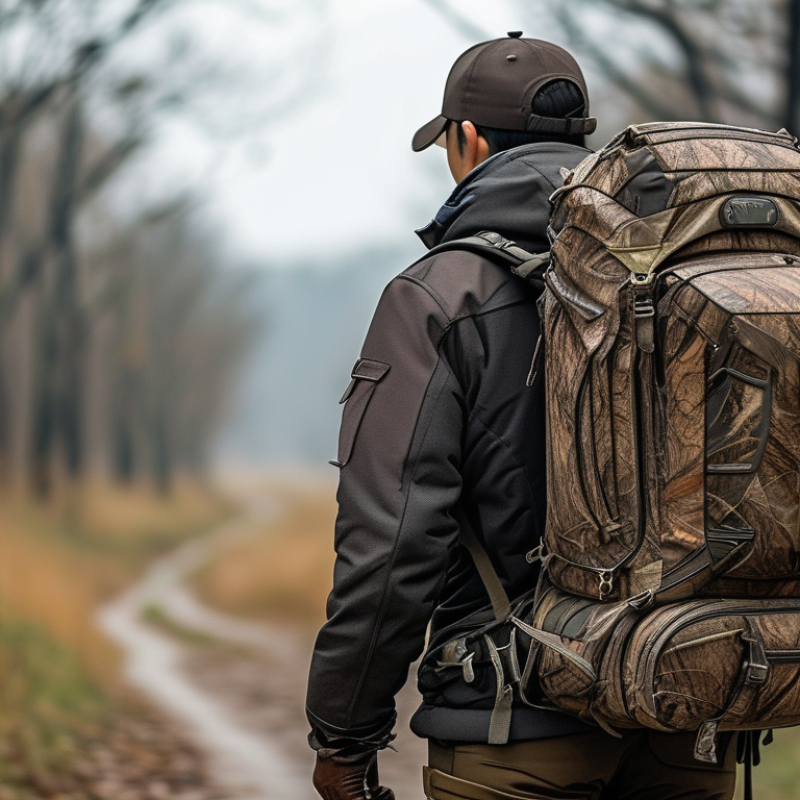
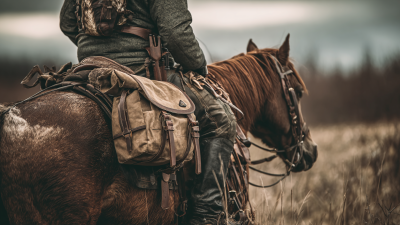
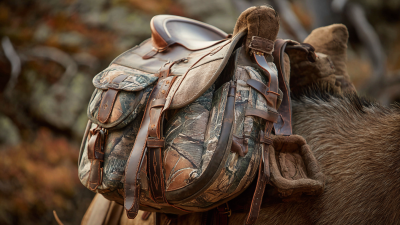
How to Choose the Best Hunting Saddle Bag for Your Needs?
Choosing the right Hunting Saddle Bag is essential for a successful hunting experience. A good saddle bag can significantly enhance your comfort and efficiency in the field. You might find yourself overwhelmed by the variety of options available.
Understanding your personal needs is crucial. Consider factors like size, weight, and storage capacity. Each feature can impact your hunting trip differently. A well-structured bag keeps your essentials organized and easily accessible. It can also alleviate the physical strain during long hours outdoors.
Quality matters too. Look for durable materials that withstand the rigors of hunting environments. While price is a concern, investing in a reliable Hunting Saddle Bag often pays off in the long run. Reflect on your past experiences and the shortcomings of your previous bags. Learning from these can guide your selection process.
Factors to Consider When Choosing a Hunting Saddle Bag
Choosing the right hunting saddle bag involves careful consideration. The primary factor is size. Think about how much gear you need to carry. A larger bag can hold extra supplies but may weigh you down. A compact bag is easier to maneuver but might not fit everything you need.
Material matters too. A durable, weather-resistant fabric can protect your gear from the elements. Look for reinforced stitching, especially on stress points. Comfort is essential; padded straps can make a heavy load manageable. If you plan to hunt for hours, a comfortable saddle bag is crucial.
Finally, think about accessibility. Pockets and compartments help keep your items organized. Quick access can be vital during a hunt. Reflect on previous experiences with bags. Did you struggle to find gear quickly? Was your bag too heavy? These reflections can guide you in making a more informed choice.
Factors to Consider When Choosing a Hunting Saddle Bag
Essential Features of a High-Quality Hunting Saddle Bag
When selecting a hunting saddle bag, focus on essential features that enhance functionality. A well-designed bag should prioritize comfort and accessibility. Look for padded straps that distribute weight evenly. This design reduces fatigue during long hunts. The materials used should be durable yet lightweight. High-quality fabric can withstand rough environments without adding excessive bulk.
Storage options are crucial. A good saddle bag provides multiple compartments for organization. This helps keep gear easily accessible. Waterproof zippers protect contents from rain. Consider a design that has external pockets for items you'll need quickly. A reflective strip can improve visibility during low-light conditions, adding an extra layer of safety.
Ultimately, the perfect saddle bag may not exist. What works for one hunter might not suit another. Reflecting on your personal needs is essential. Identify what features you value most. Consider how you will use the bag. The right fit combines personal preference with functionality. Your hunting experience can improve with the right choices.
Material Types: Durability and Weight Considerations
When selecting a hunting saddle bag, material type plays a critical role. Understanding durability versus weight can significantly affect your hunting experience. Many hunters prefer lightweight materials to enhance mobility. However, they often overlook longevity. A study by Outdoor Industry Association suggests that 70% of hunters value durability over weight.
For example, nylon and polyester are popular choices due to their balance of lightness and strength. Nylon is well-known for its resistance to abrasion and tearing, while polyester offers excellent UV resistance. Still, while these materials are strong, they may lack breathability, leading to overheating.
Tip: Always consider the environmental conditions where you will be hunting. Bags meant for wet conditions should ideally have water-resistant coatings.
Conversely, canvas offers better breathability and is less likely to cause overheating. However, it can be heavier. Keep in mind that a heavier bag can reduce your stamina on long hunts. Ultimately, striking a balance between durability and weight is essential. Not every hunting trip is the same, so your choice must adapt.
Tip: Think about how you’ll store your equipment. A bag that is durable but heavy might not be practical for multi-day trips. Refine your choice based on your personal hunting style to ensure optimal performance.
Size and Capacity: Finding the Right Fit for Your Gear
When choosing a hunting saddle bag, size and capacity are key factors. Your gear's dimensions can significantly impact your hunting experience. Research indicates that 62% of hunters prioritize bag size when selecting equipment. A bag that's too small may hinder your productivity, causing you to leave essential items behind. Conversely, an oversized bag can lead to unnecessary weight and clutter.
Consider the types of gear you usually carry. For example, a basic setup might include binoculars, calls, and personal items. A report from the National Shooting Sports Foundation (NSSF) highlighted that 78% of hunters prefer bags that accommodate both lightweight and essential gear. Assess your usual hunting scenarios to determine what capacity fits your needs. For day trips, a smaller capacity of 15 to 25 liters may be sufficient, but multi-day excursions might require 30 to 50 liters.
Remember, it’s crucial to strike a balance. If your bag has excess room, you may be tempted to pack more than necessary, which may impact your mobility and efficiency. Focus on quality over quantity. Assess your load realistically. If you can't carry your bag comfortably, it’s not the right choice. Consider your body type and the duration of your hunts to ensure your saddle bag complements your hunting style.
Top Brands and Models Recommended by Experienced Hunters
When selecting a hunting saddle bag, it's essential to consider recommendations from experienced hunters. Many seasoned hunters look for durability and comfort in their gear. A good saddle bag should distribute weight evenly. This feature is vital during long hunts in rugged terrains.
Popular models among experienced enthusiasts often come with various pockets and compartments. These help to keep gear organized and easily accessible. Some bags even offer waterproof features, ensuring that your essentials stay dry. Comfort matters too. Padded straps and ergonomic designs enhance the experience, making it easier to carry on extended trips.
While many options are available, not every bag fits every hunter's needs. Some may find pockets too small for their tools. Others might wish for lighter materials that still promise durability. Reflecting on personal preferences can help refine your choice. Try to get hands-on experience with different models. This way, you can find the perfect fit for your hunting style.



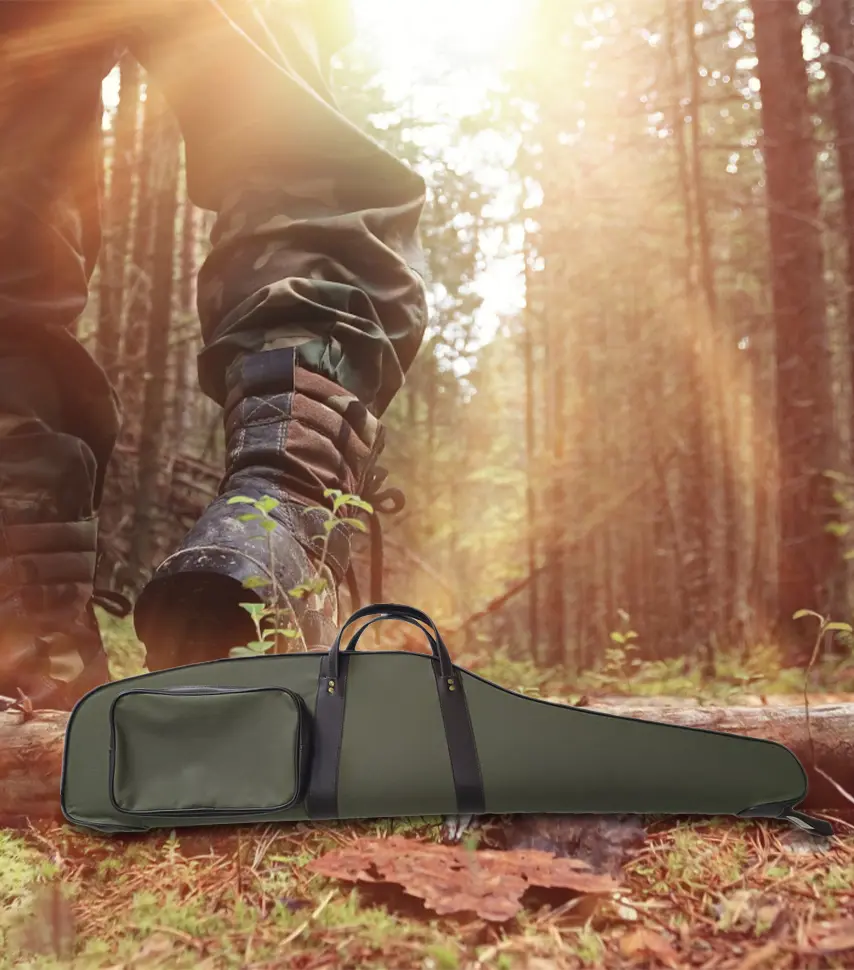 Hunting And Shooting Bag LSH
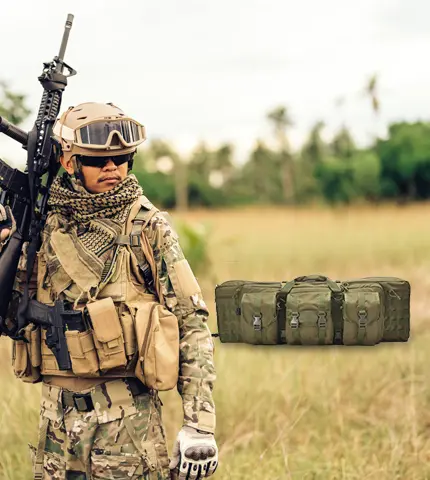 Tactical Military Bag & Vest LST
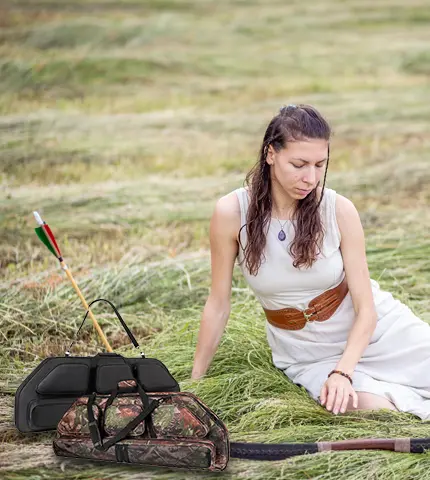 Archery Bag LSC
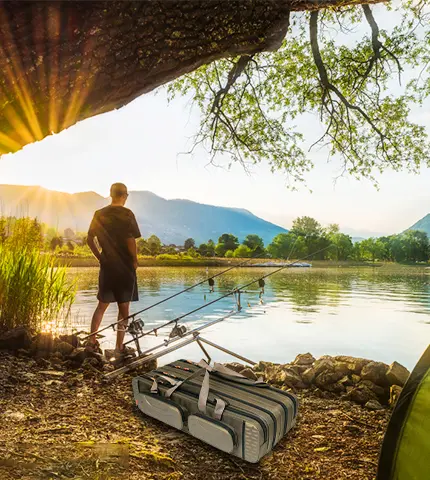 Fishing Bag LSF
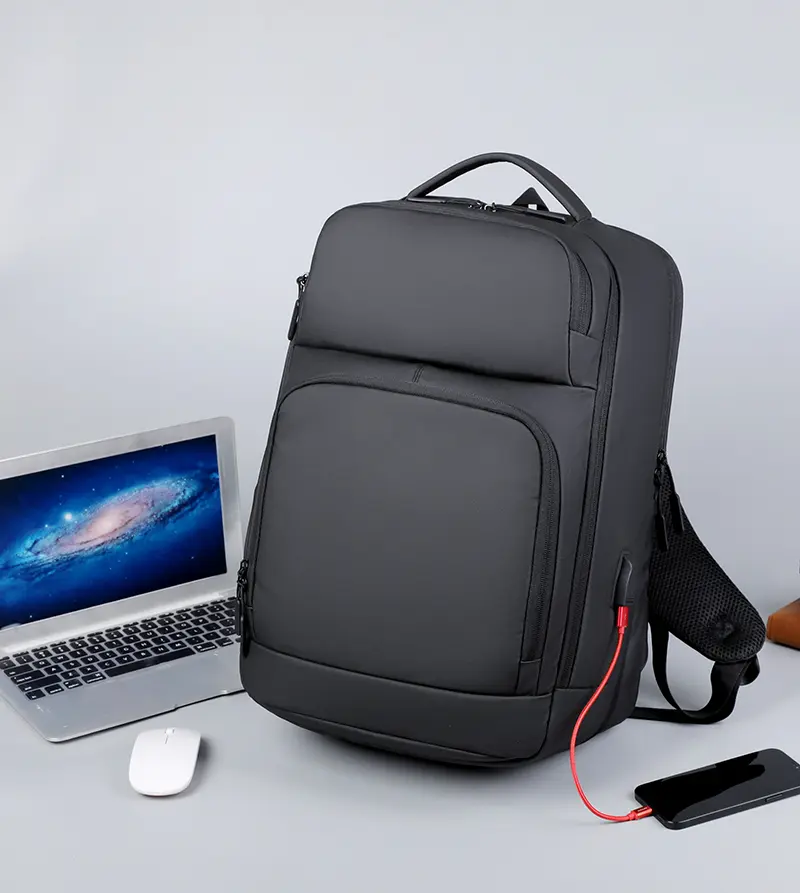 Others LSB