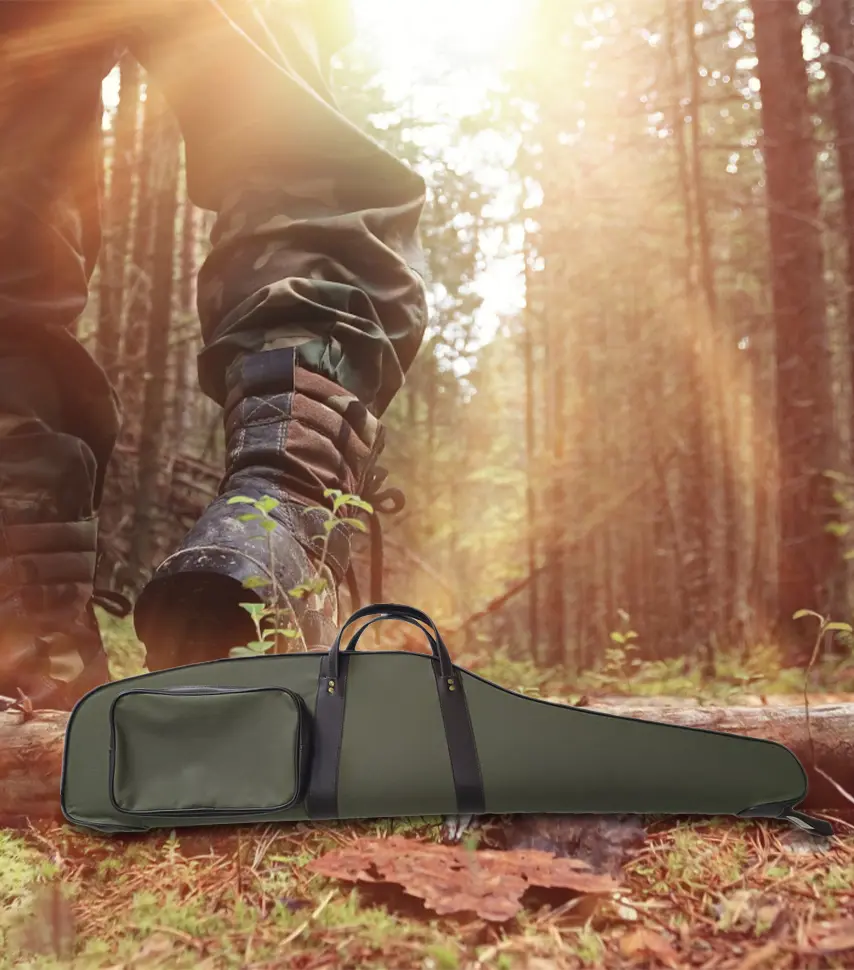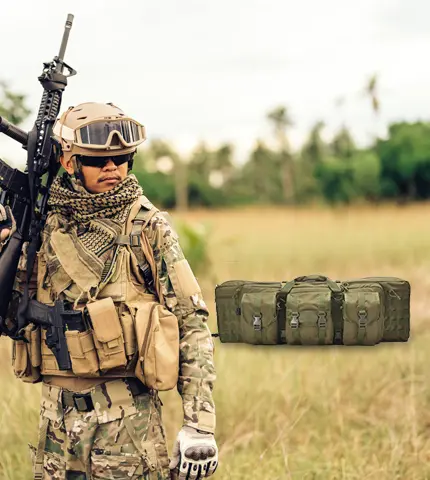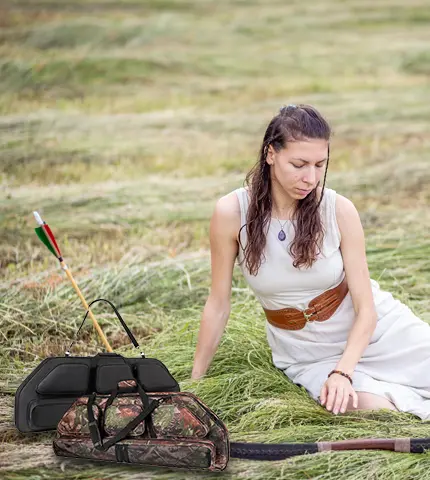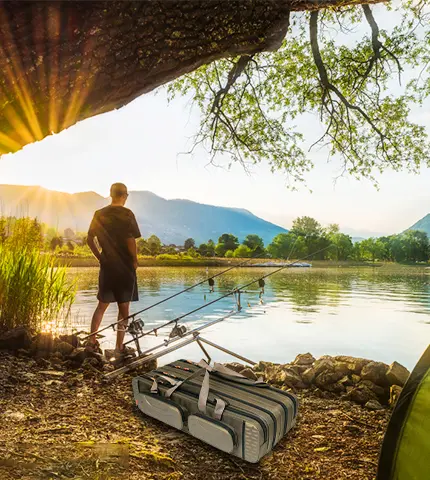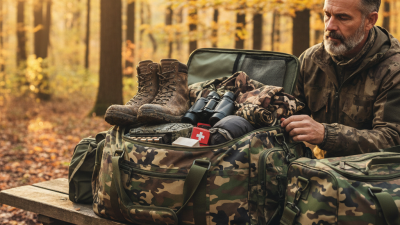
Choosing the right Hunting Duffle Bag starts with the real conditions of your trip. Muddy access roads, wet clothing, sharp tools, and long vehicle transfers quickly expose weak materials. According to the U.S. Fish and Wildlife Service’s 2022 National Survey, 14.4 million Americans hunted that year. They spent about $45.2 billion on hunting-related goods and services. That spending shows a serious market, but it does not make every bag suitable.
John Barklow, an outdoor product specialist associated with technical hunting equipment, offers a useful field principle: “Pack for the conditions, not the calendar.” A Hunting Duffle Bag should therefore match weather, distance, load weight, and cleaning needs. Look for reinforced stitching, water-resistant fabric, durable zippers, and washable compartments. A wide opening matters when gloves cover your hands. Separate boot storage helps protect dry layers from mud.
The Outdoor Industry Association’s 2024 Outdoor Participation Trends Report recorded 175.8 million U.S. outdoor participants in 2023. That broad participation increases demand for versatile, durable equipment. Still, one bag cannot solve every problem. A large duffle may swallow equipment but become awkward in a small vehicle. A compact model may carry neatly but fail on longer trips.
I would not choose based on capacity alone. Feel the handles. Test the zipper. Imagine lifting it after rain. Small details often decide whether the bag serves you or slows you down. No design is perfect. The best choice balances protection, organization, comfort, and honest use.
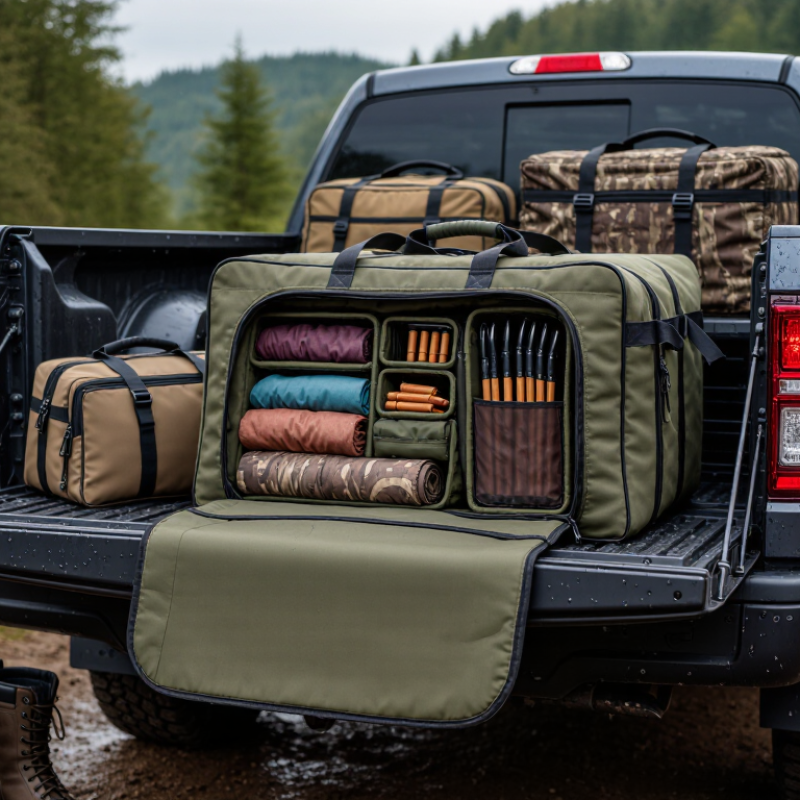
A hunting duffle bag should support the entire outdoor routine, not simply hold equipment. It can carry layered clothing, gloves, boots, food, and a field notebook. After a wet morning outdoors, I have learned that practical storage matters more than appearance. A wide opening helps locate small items quickly. Separate compartments keep clean clothing away from muddy gear. That simple feature saves time.
Look for water-resistant fabric, reinforced handles, and reliable zippers. A padded shoulder strap helps during long walks from the vehicle. Ventilation panels can reduce odors after damp clothing is packed. However, no bag stays completely dry in heavy rain. I once trusted a “weatherproof” design too much. That choice was not ideal. Consider the bag’s empty weight, because a heavy duffle becomes tiring when fully loaded. Durable materials are valuable, but unnecessary bulk can reduce comfort.
Test the bag before buying it. Place boots, a jacket, and several smaller items inside. Check whether the zippers open smoothly with cold hands. Choose washable lining when possible. Bright interior fabric can make dark items easier to find. Measure your storage space, too. A bag that fits the field may not fit your vehicle. Reliability comes from matching the bag to your actual trips, weather, and carrying habits.
A hunting duffle bag should match your trip, not your imagination. For a day outing, 30 to 45 liters usually holds spare clothing, water, food, gloves, and basic field equipment. Longer trips may require 60 to 90 liters, especially when carrying layered clothing or camp supplies. Measure your real gear first. A larger bag can tempt you to pack unnecessary weight.
Weight matters more than many shoppers expect. An empty, heavy duffle becomes uncomfortable before the trip begins. I prefer a strong bag that stays below three kilograms when empty. Check the handles, shoulder strap, stitching, and base material. A reinforced bottom helps when the bag rests on wet ground or rough vehicle floors. However, extra reinforcement can increase weight. That trade-off is easy to overlook.
Tips: Pack your usual kit on the floor. Group clothing, food, and equipment separately. Then measure the total volume. Leave about 15 percent of the bag empty for quick access and unexpected items. Test the packed bag for ten minutes. If the strap cuts into your shoulder, the design may not suit you. My first duffle was too large, and I filled it simply because space existed. That mistake taught me to choose capacity carefully, not emotionally. Check weather resistance, but do not assume “water-resistant” means waterproof. Review care instructions and local transport requirements before each trip.
When choosing a hunting duffle bag, compare fabric performance rather than appearance. Nylon usually offers a strong strength-to-weight ratio and resists abrasion around truck beds and rocky ground. Polyester generally performs better under prolonged ultraviolet exposure. Canvas feels tougher, but untreated cotton absorbs rain quickly and becomes heavy. Waxed canvas sheds water better, though its coating may crack after repeated folding.
Material data also deserves attention. Textile Exchange’s 2024 Materials Market Report recorded global fiber production at 124 million tonnes in 2023, with polyester representing about 57 percent. That scale does not prove quality. It does show why fiber type alone is an incomplete buying guide. Ask about denier, weave density, stitching, and recycled content. A thin high-denier fabric can still fail at a poorly reinforced handle.
Weather resistance depends on construction. Look for sealed or covered zippers, storm flaps, bartacked stress points, and a coated base. ISO 811 hydrostatic-pressure testing measures fabric resistance to water penetration, but a bag is not only fabric. Seams and closures decide what happens during a wet crossing. The Outdoor Industry Association reported 175.8 million U.S. outdoor participants in 2023, suggesting frequent gear use and repeated exposure. Realistically, no duffle stays waterproof forever. I would inspect the coating after each season, because manufacturers’ claims often sound more permanent than field conditions. A dry interior matters most.
How to Choose the Best Hunting Duffle Bag?
A practical hunting duffle should organize equipment without becoming bulky. Look for separate compartments for clean clothing, muddy boots, and small field tools. A ventilated shoe section helps reduce damp odors after a long day outdoors. Interior mesh pockets keep batteries, maps, and first-aid supplies visible. I once chose a deep single compartment and regretted it. Everything sank to the bottom.
Tips: Test each zipper with one hand. Check whether the openings stay wide when packed. Padded handles help during short carries, while removable shoulder straps suit longer walks. Backpack-style straps can be useful, but they may feel uncomfortable over heavy jackets. Try the bag with realistic weight before buying. Comfort is easy to underestimate.
Security also deserves close attention. Strong zippers with lockable pulls can discourage casual access, especially during travel or crowded parking areas. A concealed document pocket protects identification and permits from rain and unnecessary exposure. Compression straps should hold the load firmly without crushing delicate optics. Examine the stitching around handles and strap anchors. Those points receive the most stress. No design is perfect, though. A highly secure bag may open more slowly, and excessive pockets can create confusion. Keep valuable personal items separated, follow local transport rules, and inspect the bag after every trip for torn seams or damaged closures.
How to Choose the Best Hunting Duffle Bag?
Matching the bag to your hunting style and budget starts with an honest assessment of your routine. After several seasons in wet forests and dusty trails, I have learned that capacity matters less than comfortable organization. A day hunter may need a compact duffle for clothing, food, and basic field gear. An overnight hunter usually needs space for insulation layers, cooking equipment, and a sleeping system. Choose durable fabric, reinforced handles, and reliable zippers. Weather-resistant material helps, but no bag is completely waterproof.
Tips: Estimate your real load before shopping. Pack your usual equipment on the floor, then measure it. Leave some empty space. Overpacking makes every walk harder. If the bag feels awkward indoors, it will feel worse on uneven ground. A shoulder strap can help, although wide straps may still become uncomfortable after several hours.
Budget decisions should focus on repeated use, not impressive features. A lower-cost bag can work well for occasional trips if its seams and handles feel secure. Frequent hunters may benefit from stronger stitching, washable lining, and separate compartments. Those features cost more, but replacement bags cost more too. I once chose extra pockets over better shoulder support and regretted it. Too many compartments can also waste space and slow packing. Check the bag with your actual clothing, footwear, and permitted equipment before buying. Fit is personal. Field conditions expose weaknesses quickly.