How to Choose the Best Hunting Sleeping Bag for Your Needs?
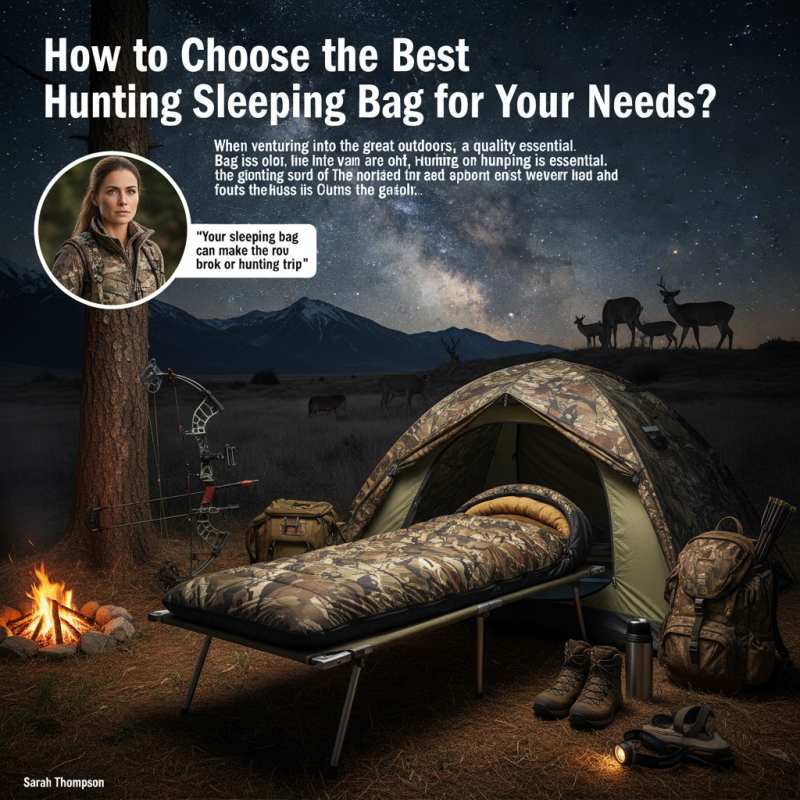
When venturing into the great outdoors, a quality Hunting Sleeping Bag is essential. According to outdoor expert Sarah Thompson, "Your sleeping bag can make or break your hunting trip." This underscores the importance of selecting the right gear for your specific needs.
A decent Hunting Sleeping Bag provides warmth, comfort, and the durability to withstand the elements. Temperature ratings, materials, and weight should all be considered carefully. No one wants to shiver all night or lug a heavy bag through the wilderness.
However, finding the perfect fit can be challenging. There are many options on the market. Some bags promise high performance, but may not deliver. Carefully weigh the features against your personal needs. It’s about creating the best experience possible while hunting. A thoughtful choice in sleeping bags can enhance your adventure significantly.
Understanding the Different Types of Hunting Sleeping Bags
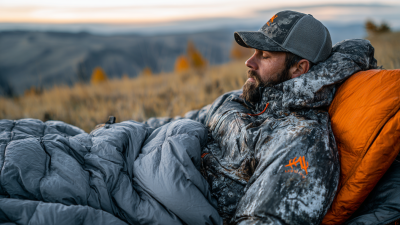
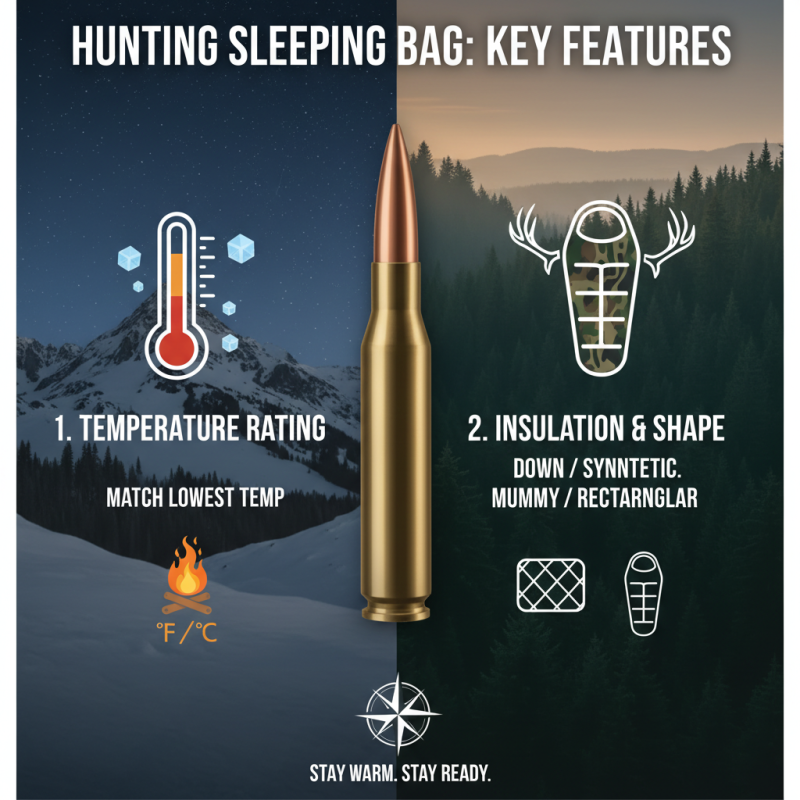
Choosing the right hunting sleeping bag is crucial for comfort and survival. Understanding the different types can significantly improve your outdoor experience. There are three primary categories: synthetic, down, and hybrid sleeping bags. Each type has its pros and cons depending on your specific needs and conditions.
Synthetic bags are generally more affordable and retain warmth when wet. They dry faster, making them a reliable choice during unpredictable weather. On the downside, they tend to be bulkier and heavier. A survey by the Outdoor Industry Association shows that 45% of hunters prefer synthetic due to its durability.
Down sleeping bags offer superior insulation and packability. However, they lose warmth when wet and require careful handling. A report from the American Hiking Society indicates that 30% of outdoor enthusiasts favor down for its lightweight properties. Hybrid bags merge both materials, offering versatility, but might not excel in extreme conditions.
When selecting a sleeping bag, think about your climate and activity level. Pay attention to season ratings and insulation types. Even experienced hunters sometimes overlook temperature ratings. About 20% of users mistakenly choose bags not suited for their specific conditions. A well-informed decision can make a big difference in the field.
How to Choose the Best Hunting Sleeping Bag for Your Needs?
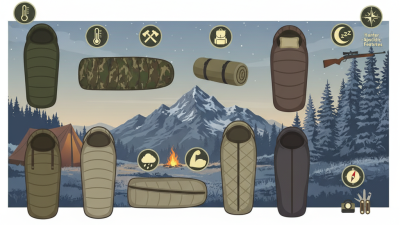
This chart compares different types of hunting sleeping bags based on their weight, temperature rating, and insulation type. Use this information to make an informed decision on which bag meets your hunting needs.
Determining the Right Temperature Rating for Your Sleeping Bag
Choosing the right temperature rating for your hunting sleeping bag is essential. This rating indicates the lowest temperature at which the bag will keep you warm. Understanding this can make or break your outdoor experience.
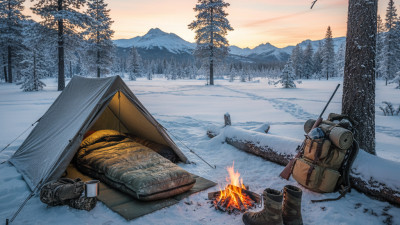
Consider the conditions in which you’ll be hunting. If it’s a mild fall trip, a bag rated for 40°F may suffice. However, winter excursions demand a warmer option. A sleeping bag rated for 0°F or lower will provide the necessary insulation.
Most hunters overlook how humidity affects insulation. A damp bag won’t keep you warm, even if it has a low temperature rating. Pay attention to the materials used. Down insulation is light and compressible but may not perform well when wet. Synthetic options can provide better performance in damp conditions. This can lead you to rethink your choices. Always consider your comfort needs and adjust your selection accordingly.
Evaluating Size and Weight for Backpacking and Hunting Trips
When choosing a hunting sleeping bag, size and weight are crucial for backpacking and hunting trips. A report by the Hiking and Outdoor Research Institute states that nearly 60% of outdoor enthusiasts prioritize lightweight gear for convenience. For hunters, every ounce counts. Opt for a bag weighing less than 3 pounds, as this provides comfort without sacrificing portability.
Consider the dimensions of the sleeping bag as well. A bag that compresses easily will fit better in your pack. Industry standards suggest that a bag's packed size should not exceed 10 liters for efficient storage during trips. Also, measure your body length when selecting size. A bag too small can restrict movement and reduce warmth.
Tips: Look for sleeping bags with a temperature rating suited to your hunting season. A 20°F rating is often suitable for early spring or late fall. Assess features like hoods and draft collars for added warmth. Don’t overlook the importance of material. A nylon shell with a polyester lining offers a balance of durability and comfort.
Budgeting: Finding a Quality Sleeping Bag Within Your Price Range
Choosing a hunting sleeping bag often involves balancing quality with budget. Many hunters prioritize comfort and insulation, but the price can be daunting. According to the Outdoor Industry Association, a quality sleeping bag typically ranges from $100 to $400. Yet, finding a good bag within your budget is possible with informed choices.
When considering your budget, focus on insulation type and bag weight. Synthetic materials tend to be more affordable and perform well in wet conditions. Meanwhile, down bags offer superior warmth but come at a higher price. A 2022 survey revealed that 65% of hunters sought bags priced under $200. This group found effective options by choosing synthetic alternatives that still provide decent warmth.
It's crucial to acknowledge that spending less might require compromises. A lower-priced sleeping bag might lack durability or have less effective insulation. Reflecting on these trade-offs is essential for making a wise purchase. Analyze your specific needs before diving into options. Factors such as pack weight and temperature ratings cannot be overlooked.



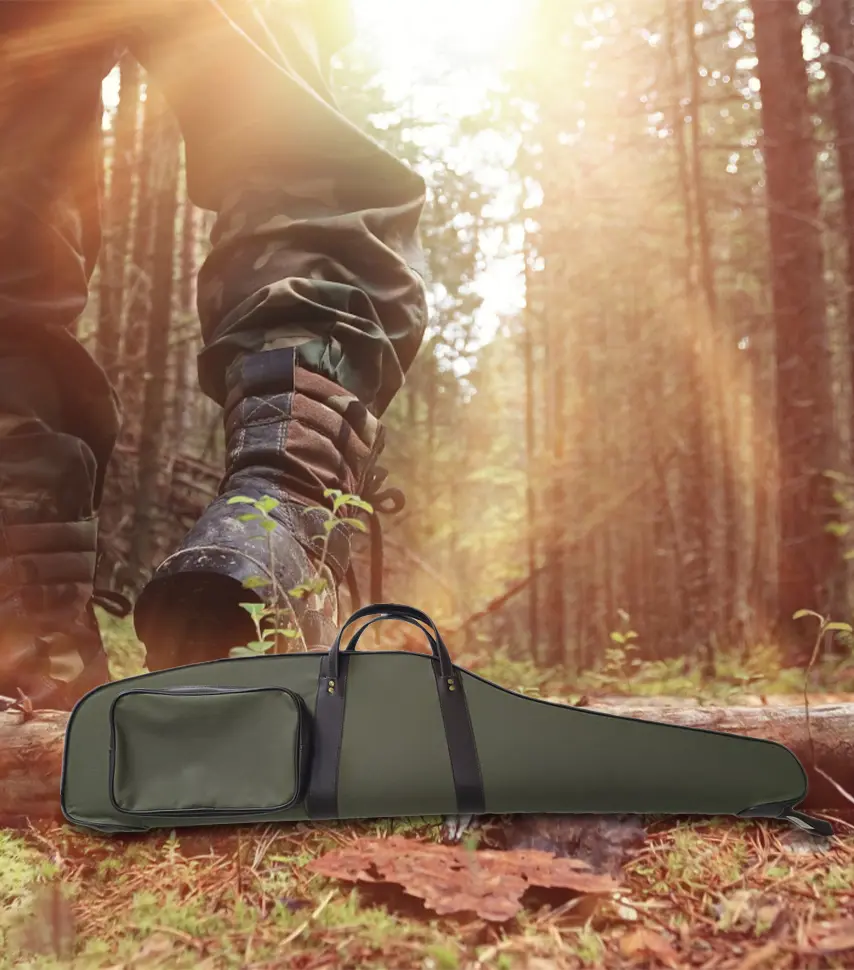 Hunting And Shooting Bag LSH
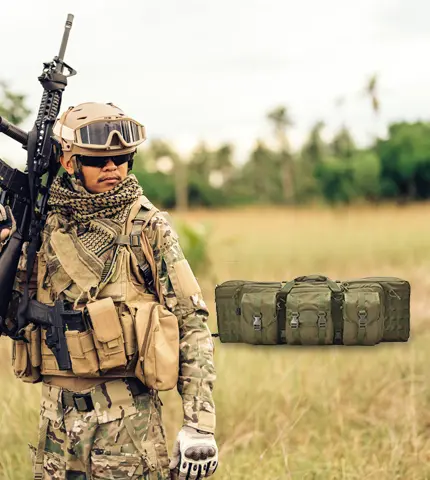 Tactical Military Bag & Vest LST
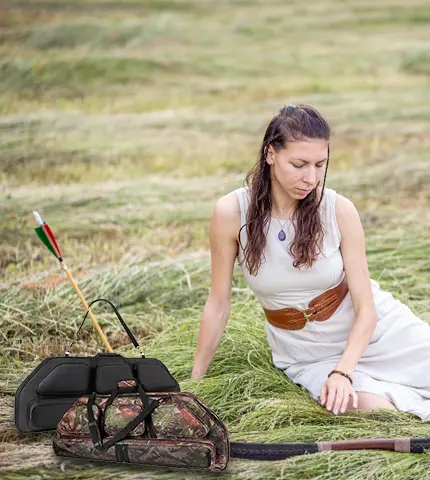 Archery Bag LSC
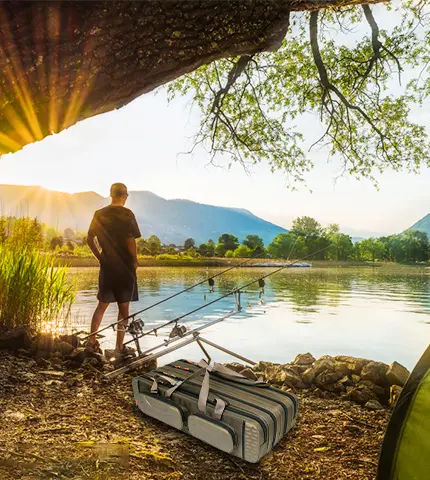 Fishing Bag LSF
 Others LSB