Leave Your Message

How to Choose the Best Military Garment Bag

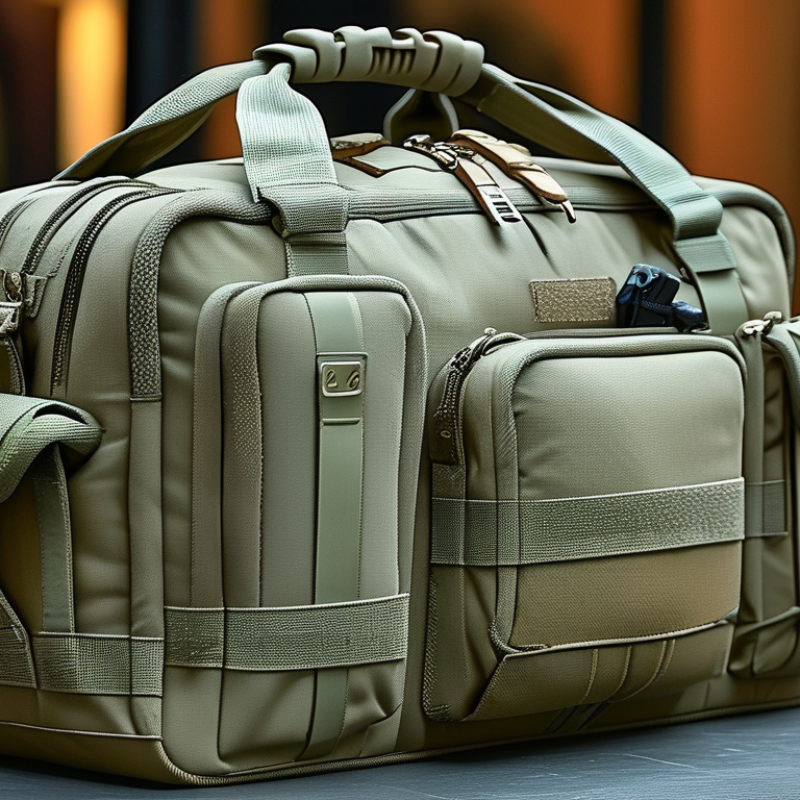
Choosing the right Military Garment Bag is not simply a matter of picking the strongest-looking design. It should protect uniforms, formal clothing, and personal essentials during transport, storage, and changing weather conditions. In practice, fabric quality matters. Look for abrasion-resistant materials, reinforced stitching, and dependable zippers. Small details matter. A padded shoulder strap can reduce fatigue during long walks. A sturdy handle helps when moving through stations, airports, or vehicle compartments. Weather-resistant fabric is useful, but it does not make every bag waterproof. That distinction is easy to overlook.

Before buying, check the bag’s dimensions against your clothing and travel routine. A garment bag that fits a dress uniform may not hold boots, accessories, or folded outerwear comfortably. Measure carefully. The interior should keep jackets flat and reduce deep creases. Compartments can organize belts, gloves, documents, and toiletries without mixing them with clean garments. A separate shoe section is practical, although it may increase the bag’s weight. Consider that trade-off honestly.

Reliable product information should include material details, capacity, care instructions, and warranty terms. Customer reviews can reveal problems that product photos hide, such as weak clips or awkward handles. Still, reviews are personal experiences, not absolute proof. Check several sources when possible. The best choice balances durability, organization, carrying comfort, and realistic storage needs. It may not be the largest or most tactical-looking option. It should simply perform consistently when your clothing needs to arrive clean, protected, and ready to wear.
How to Choose the Best Military Garment Bag

Define the Mission and Conditions for Using a Military Garment Bag

Choosing the best military garment bag starts with the mission, not the appearance. A formal inspection trip needs different features from a rough training journey. Define what you will carry, how far you will travel, and where the bag will rest. A uniform bag for aircraft cabins should remain compact, fold cleanly, and protect shoulder seams. A field-focused bag needs stronger fabric, reliable zippers, and handles that feel secure with wet hands.

Conditions matter just as much. Measure the storage space in your vehicle, locker, or accommodation before buying. Check whether rain, dust, heat, or repeated loading will be common. Water-resistant fabric helps during short exposure, but it does not replace a sealed cover in heavy rain. Inspect the stitching around handles and strap anchors. These points usually receive the most stress. Interior clips, shoe compartments, and separate pockets can prevent polished clothing from touching dirty footwear.

I once chose a large garment bag because it held everything. It became awkward in narrow corridors and exceeded my practical needs. That was a poor decision. A better choice balances capacity with movement. Test the bag while wearing gloves, if cold conditions are expected. Carry it by hand, over one shoulder, and as a backpack when possible. Small details matter. A clear identification window, smooth wheels, and a stable base can save time during inspections and transfers. Still, features should serve the mission, not impress the buyer. Recheck your assumptions after each trip. Real use often reveals problems that product descriptions hide.
Compare Materials, Construction Quality, and Weather Resistance

Choosing the best military garment bag starts with its fabric, seams, and weather performance. Textile Exchange’s 2024 Materials Market Report states that polyester represented about 57% of global fiber production in 2023. It offers low moisture absorption and useful abrasion resistance. Nylon can feel tougher, but it may absorb more water. Fabric weight matters too. Very light fabric saves weight, yet often sacrifices shape retention.

Construction quality deserves close inspection. Look for reinforced corners, bar-tacked handle attachments, smooth coil or molded zippers, and bound internal seams. These details reduce stress when the bag carries boots, uniforms, or a packed jacket. ASTM D3776 provides recognized methods for measuring fabric mass, but heavier fabric alone does not guarantee durability. I once overvalued thickness. Stitch quality mattered more.

Tips: Check the zipper path with one hand. It should move without snagging. Ask for seam-tape details, not vague “waterproof” claims. AATCC 22 measures surface wetting, while ISO 811 measures resistance to water penetration under pressure. These tests are different. A high spray rating does not prove full waterproofing. For rainy travel, choose a coated fabric, covered zipper, and taped or carefully bound seams. Test the empty bag outdoors for ten minutes. Real weather exposes weaknesses that product photos hide.

Choose the Right Capacity and Internal Organization

Choosing a military garment bag starts with capacity, not extra pockets. For short assignments, 45–60 liters usually holds one duty uniform, two shirts, footwear, and compact personal items. Exact needs vary. A 2024 SITA Baggage IT Insights report recorded 6.9 mishandled bags per 1,000 passengers in 2023. The figure concerns baggage systems, not garment bags, but it supports better identification and separation. Use one clear garment compartment, a shoe section, and two flat accessory pockets. Overpacking reduces folding space and strains zippers. I have made that mistake.

Internal organization should follow movement, not showroom appearance. A full-length sleeve helps protect pressed clothing. Compression straps stop folded layers from shifting during vehicle transfers. Place boots below clothing, inside a washable liner. Keep documents and small equipment in separate, easy-to-reach pockets. IATA Resolution 753 requires baggage tracking at key handling points, making a visible name panel and durable identification sleeve sensible choices. Avoid a bag with twelve tiny compartments. They look useful, then swallow cables and gloves. The better layout is simple: clothing in the center, footwear low, essentials near the opening. Test the loaded bag before buying. If the zipper bends or the handle tilts, the stated capacity may be optimistic.

Evaluate Carrying Comfort, Security Features, and Field Durability

How to Choose the Best Military Garment Bag

A comfortable garment bag should balance weight, shape, and load distribution. I have found that padded shoulder straps reduce pressure during long walks. A wide handle also helps when carrying boots, uniforms, and small equipment together. Test the bag fully loaded, not empty. An empty bag can feel misleadingly light. Look for breathable back panels and reinforced attachment points. These details matter near transport hubs, field offices, and uneven ground.

Security features should protect clothing without slowing access. Strong zippers, covered seams, and lock-compatible pulls offer practical control during travel. Internal compression straps keep folded garments from shifting when the bag moves. Separate compartments can protect clean uniforms from damp footwear. Avoid complicated closures that require excessive force or careful alignment. Under stress, simple designs usually perform better. I once preferred extra pockets, but too many made inspection and packing slower.

Field durability depends on materials, stitching, and repair options. Abrasion-resistant fabric should handle concrete floors, vehicle compartments, and repeated loading. Water resistance helps during short exposure to rain, but it is not waterproof protection. Check the base, corners, and strap anchors for extra reinforcement. Quality stitching should remain even, with no loose threads around heavy-load areas. My own testing was imperfect; I judged one bag after a single trip. Repeated use would provide stronger evidence. A replaceable strap or repairable seam can extend service life when conditions become rough.

How to Choose the Best Military Garment Bag

Recommended decision weighting for evaluating carrying comfort, security features, and field durability. The weighting reflects the practical priorities of repeated transport, controlled access, and demanding outdoor use.

Durability and comfort receive the highest combined priority because a field garment bag must protect clothing while remaining manageable during long-distance movement. Security features should include lockable closures, reinforced handles, and protected compartments.

Balance Price, Maintenance Needs, and Long-Term Value

Choosing the best military garment bag is not about the lowest price. A cheap bag may save money today, then fail when a zipper jams or a shoulder strap tears. Compare fabric density, seam reinforcement, handle attachment, and zipper quality. A bag with sturdy panels protects pressed shirts and formal uniforms during transport. It should fit your storage space, vehicle, and expected clothing load. Fit matters. Extra pockets help, but unused compartments add weight and cleaning work.

Maintenance affects the real cost. Look for wipe-clean surfaces, removable boards, and washable lining. After wet travel, open the bag fully and let it dry before storage. Trapped moisture can create odors and weaken fabric. Check stress points every few months, especially around handles and hanging hooks. Small repairs are usually cheaper than replacement. That matters. Still, I would not overpay for features you rarely use.

Long-term value comes from balanced construction, repairability, and clear warranty terms. Ask whether replacement parts are available and whether stitching can be professionally repaired. A lower-priced bag may suit occasional ceremonies, while frequent travelers need stronger hardware and better ventilation. Think in cost per use, not purchase price alone. Keep it practical. My first comparison would focus too heavily on appearance; that is a mistake. A plain bag with reliable structure can serve longer than a polished bag with fragile fittings. Test the handle, wheels, and closure before committing.

How to Choose the Best Military Garment Bag - Balance Price, Maintenance Needs, and Long-Term Value

Garment Bag Type Typical Price Range (USD) Common Construction Approximate Capacity Typical Empty Weight Maintenance Requirements Expected Service Life* Estimated 5-Year Ownership Cost** Best Use Long-Term Value
Basic Fabric Garment Bag $25–$60 Lightweight polyester or nylon shell; standard zipper; limited padding 1–2 uniforms or formal garments 0.5–1.0 kg Spot-clean with mild soap; air-dry; avoid overloading the zipper 1–3 years with regular use $35–$85 Occasional travel, short-term storage, and low-cost replacement needs Low initial cost; limited durability
Reinforced Polyester Garment Bag $55–$110 600D–1000D polyester panels; reinforced seams; padded handles; external pockets 2–3 uniforms plus accessories 1.0–1.8 kg Brush off loose dirt; wipe spills promptly; inspect seams and handles every few months 3–5 years with routine use $70–$145 Frequent commuting, inspections, ceremonies, and moderate field travel Strong balance of price and durability
Heavy-Duty Nylon Garment Bag $90–$180 High-denier nylon; reinforced stitching; padded garment compartment; robust hardware 3–4 uniforms with footwear or accessories 1.5–2.5 kg Clean with a damp cloth; use a soft brush for mud; lubricate metal hardware only when needed 5–8 years with regular use $105–$220 Frequent deployment travel, heavy packing, and repeated loading or unloading High durability and good cost per year
Weather-Resistant Laminated Bag $120–$240 Coated nylon, TPU laminate, or equivalent water-resistant outer layer; sealed or protected zippers 2–4 uniforms and mission accessories 1.8–3.0 kg Rinse or wipe contaminants; dry fully before storage; do not machine-dry coated materials 5–8 years, depending on exposure to abrasion and sunlight $140–$285 Wet climates, outdoor transport, vehicle storage, and unpredictable weather Worth the premium when moisture protection matters
Modular Rolling Garment Bag $130–$280 Durable textile body; telescoping handle; wheels; compression straps; detachable compartments 3–5 uniforms plus footwear and personal equipment 2.5–4.5 kg Remove grit from wheels; check wheel axles and handle screws; clean fabric before long-term storage 4–7 years, with wheels and handles usually needing attention first $160–$340 Air travel, long-distance transfers, and loads that are too heavy for shoulder carry High convenience; higher repair risk and purchase price
Maximum-Protection Travel Bag $200–$400 Heavy-duty textile or semi-rigid construction; extensive padding; protective panels; premium hardware 4–6 uniforms and additional equipment 3.5–6.0 kg Inspect padding, zippers, wheels, and attachment points; clean and dry after every demanding trip 7–10 years when maintained and not overloaded $225–$465 High-frequency travel, valuable dress uniforms, and demanding transport conditions Highest protection; economical only for intensive use

*Service-life figures are typical estimates for normal use and depend on load weight, abrasion, moisture, sunlight, and handling conditions. **The five-year ownership estimate combines the purchase price with ordinary cleaning and minor repair or replacement allowances; it excludes shipping, taxes, and major damage caused by misuse.