How to Choose the Perfect Hunter Bag for Your Outdoor Adventures?
Choosing the right Hunter Bag is crucial for outdoor adventures. A good bag can enhance your experience. It holds your gear safely and keeps you organized. Consider your needs before making a decision.
Different activities require different features. A lightweight bag may suit hiking, while a sturdy one is better for hunting trips. Think about the size and capacity. Will it fit everything you need? Pay attention to design and comfort as well. Sometimes, we overlook these aspects until it's too late.
Don't forget about durability. A bag should withstand the elements. Check for quality materials. It should also have features like waterproofing. Reflect on what you truly need. Are you prioritizing style over function? A perfect Hunter Bag balances both. It's not just about looks; it's about practicality.
Understanding the Essential Features of a Hunter Bag
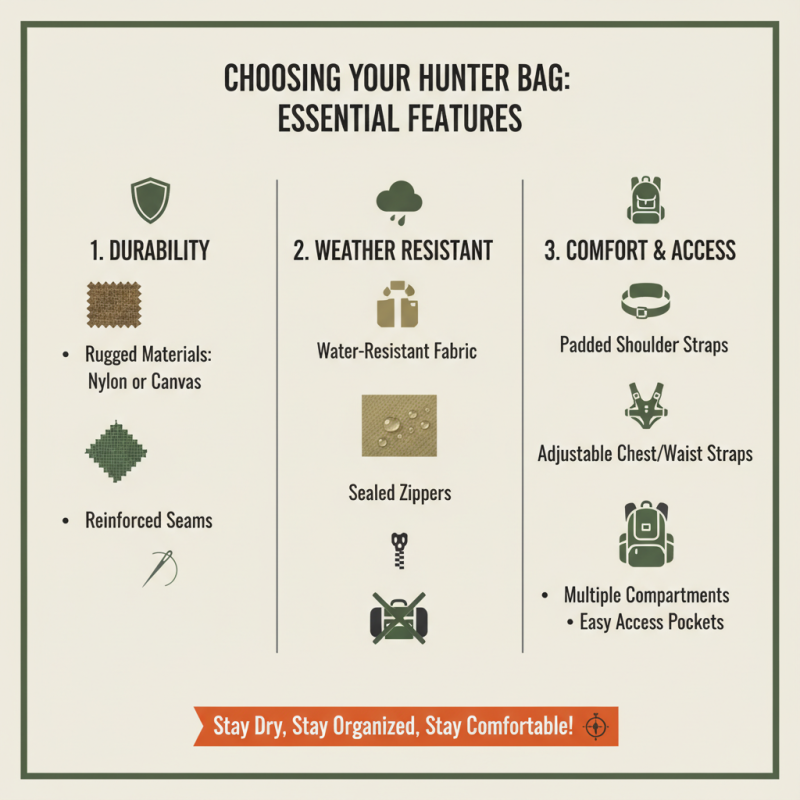
Choosing the perfect hunter bag for outdoor adventures requires understanding essential features. A good hunter bag should be durable. Materials like nylon or canvas can withstand harsh weather. Check for water-resistant qualities. Rain can quickly ruin your gear.
Look for ample storage. A bag with multiple compartments helps organize supplies. Use pockets for small items. Keyrings or clips are handy for attaching tools. Ensure the main compartment is spacious for larger gear.
**Tip:** Make sure the bag fits comfortably. Adjustable straps can make a big difference during long hikes. Many bags also feature padded back support, which adds comfort.
Consider the weight of the bag. A lightweight design can keep you agile. Remember, if it’s too heavy, you might regret your choice on the trail.
**Tip:** Always test the bag before committing. Load it with your common gear to see how it feels. What seems perfect in-store may not work during an adventure.
Evaluating Size and Capacity for Outdoor Needs
When selecting the perfect hunter bag, size and capacity are key factors. Think about what you'll carry on your outdoor adventures. A too-small bag can lead to frustration. Conversely, an oversized bag may weigh you down. Consider your gear. A spacious compartment might be necessary for bulky items.
Visualize your day in the field. Will you need extra layers of clothing? Snacks? A water bottle? Each item's size adds up. Prioritize essential items to minimize bulk. Keep in mind that a well-organized interior can enhance access and convenience.
We often overestimate our needs. Packing excess gear can quickly lead to cumbersome loads. Reflect on the trips you've taken. What did you actually use? Lightening your load might improve your experience. Remember, the perfect bag balances size with practicality. Choose wisely!
Size and Capacity of Hunter Bags for Outdoor Adventures
Material Considerations: Durability and Weather Resistance
When choosing a hunter bag, material choices are crucial. A durable fabric can withstand the rigors of outdoor adventures. Look for heavy-duty nylon or canvas. These materials resist tears and abrasions, ensuring longevity. Weather resistance is equally important. A water-repellent finish keeps your gear dry during unexpected rain showers.
Consider the weight of the bag as well. Heavier materials may offer durability, but they can weigh you down during long treks. A balance is essential. Some bags may feel sturdy but aren’t breathable. Poor ventilation can lead to discomfort. Think about how moisture will build up inside the bag.
Pockets and compartments matter too. A bag may be tough, but if it lacks organization, it’s not ideal. Misplacing essential items can be frustrating. Reflecting on how you pack can lead to better choices. Examine your gear regularly. Does everything fit nicely? If not, it may be time to reassess your options. Finding the right bag is not just about durability; it’s about functionality in real-world situations.
Organizational Compartments: Storing Gear Efficiently
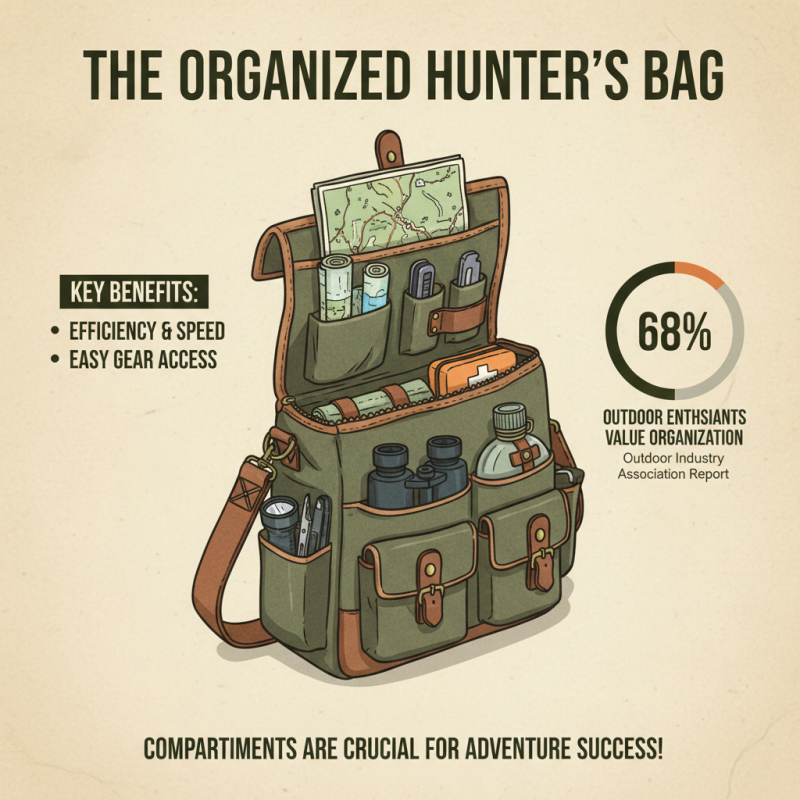
When choosing the perfect hunter bag, focusing on organizational compartments is crucial. Outdoor adventures often require various gear, and proper organization enhances efficiency. A report by Outdoor Industry Association suggests that 68% of outdoor enthusiasts value organization in their gear. Without appropriate compartments, it becomes challenging to retrieve essential items swiftly.
Consider creating a layout for your gear. Designate specific sections for tools, first aid kits, and snacks. Use smaller pouches for items like matches or maps. This system minimizes the time spent searching for equipment. Studies indicate that well-organized bags can reduce packing time by up to 30%. This is significant when facing unpredictable weather or wildlife.
[Tips] Think about using color coding for different sections. Bright colors make it easier to find items quickly. Choose adjustable dividers to customize space as needed. Remember, not every bag will fit every adventurer. Reflect on your specific needs and adjust your choices accordingly. Embrace the trial-and-error approach to find the perfect fit for your activities.
Choosing the Right Strap and Comfort Features for Carrying
When selecting a hunter bag, comfort is key. The right strap can make a significant difference during long outdoor adventures. Look for padded, adjustable straps. They help distribute weight evenly. A bag that feels heavy on one side can cause discomfort. You want to feel balanced as you hike through rugged terrains.
Tips: Test the straps before buying. Secure the bag on your shoulder and walk a bit. Does it dig into your skin? If it does, consider a different option. Compression straps can also add support. They help stabilize your load, making it less cumbersome.
Another factor is your body shape. A bag designed for shorter individuals may not fit taller frames. It is crucial to try various styles. A one-size-fits-all approach often falls short. Remember, comfort is personal. What works for you may not work for someone else. Avoid a rush decision. Take your time to find the best fit for your needs.



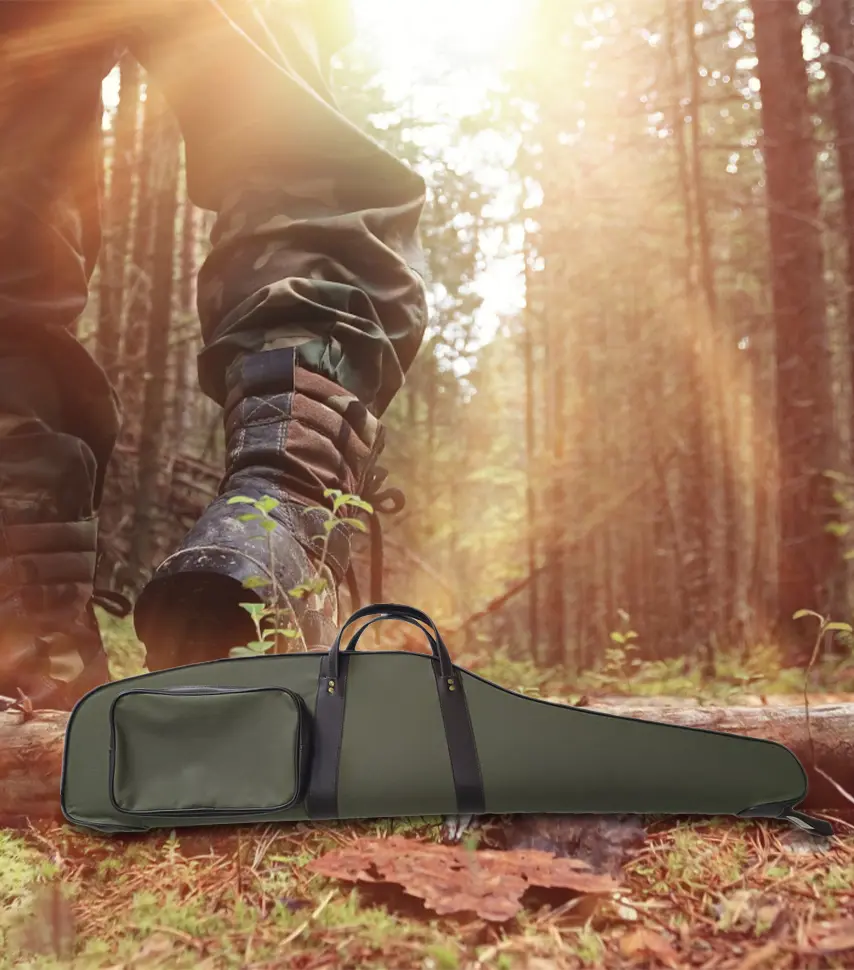 Hunting And Shooting Bag LSH
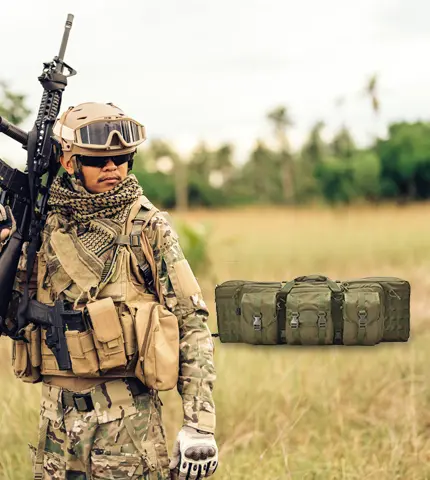 Tactical Military Bag & Vest LST
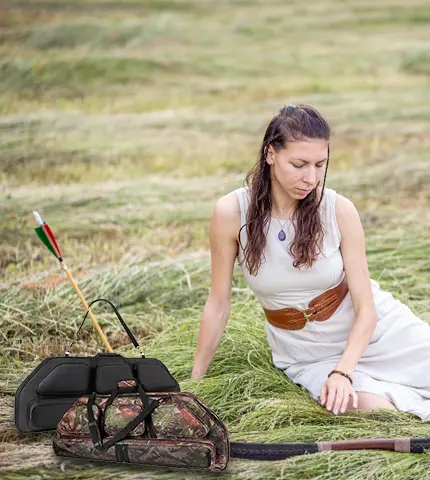 Archery Bag LSC
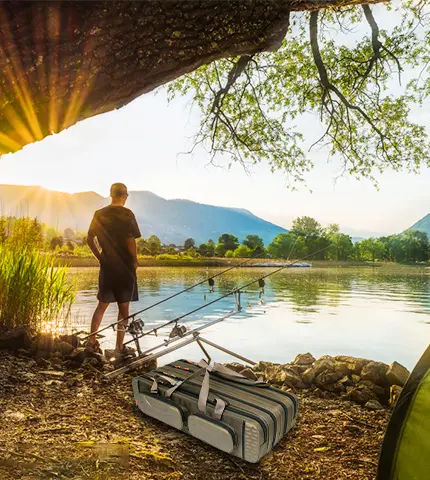 Fishing Bag LSF
 Others LSB