10 Essential Tips for Choosing the Perfect Hunting Duffle Bag
Choosing the right hunting duffle bag is crucial for any outdoor enthusiast. Expert Jack Thompson, a renowned figure in the hunting gear industry, emphasizes, “The right bag can make or break your trip.” A well-selected hunting duffle bag not only holds essential gear but also adds to your comfort during your adventures.
When looking for a hunting duffle bag, consider factors such as size, material, and organization. A bag that is too small may leave you scrambling to fit all your gear. On the other hand, an oversized bag can become cumbersome. Durability is key, as the great outdoors often presents challenges that can wear down inferior products.
Additionally, pay attention to pockets and compartments. A bag should not only be spacious but also organized. It’s easy to misplace vital items without the right structure. Reflect on your own experiences; did you have the right bag, or did you struggle? The right choice can enhance your hunting trips and create memorable experiences.
Understanding the Different Types of Hunting Duffle Bags
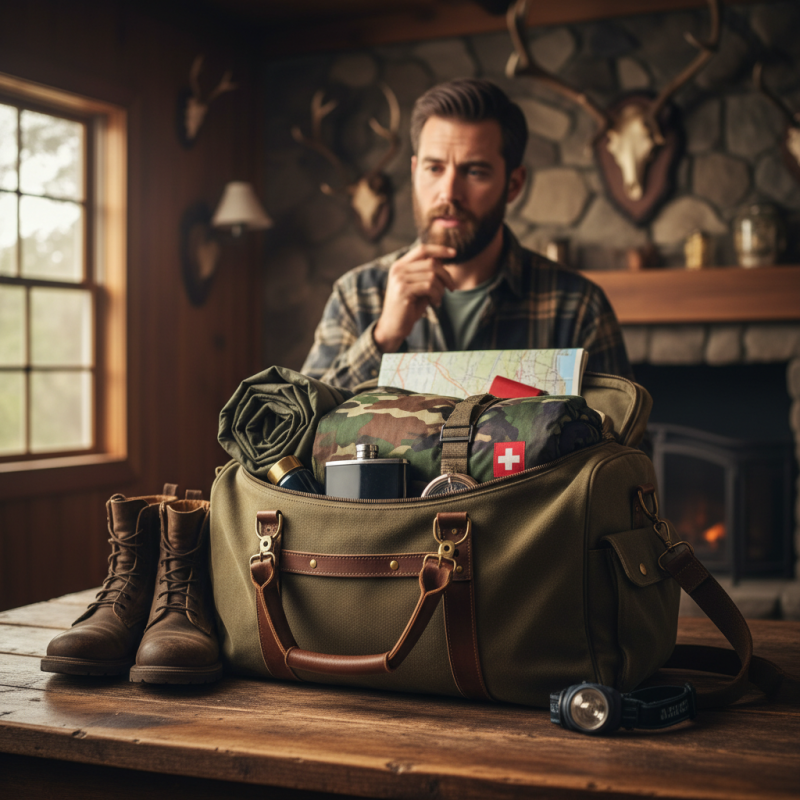
When selecting the perfect hunting duffle bag, understanding the various types is essential.
There are soft-sided and hard-sided bags. Soft-sided bags are lightweight and flexible. They often fit better in tight
spaces, like a car trunk. Hard-sided bags, on the other hand, provide more protection for fragile items. However, they can be bulkier
and heavier, which might be challenging for longer treks.
Another aspect to consider is the size. Smaller bags are good for short trips. They keep the essentials organized.
Larger bags can accommodate more gear but may lead to disorganization. Also, think about compartments. Having separate areas for
equipment is helpful. This prevents items from getting tangled or damaged. Yet, bags with too many pockets can be overwhelming.
You might forget where you placed something.
Choose wisely based on your hunting style. Each type has its pros and cons. Reflecting on what you actually need can make all the difference.
Key Features to Consider When Selecting a Duffle Bag
When selecting the perfect hunting duffle bag, several key features deserve your attention. First, material durability is crucial. According to a 2022 industry survey, 70% of outdoor enthusiasts prioritize tough, weather-resistant fabrics. This ensures your gear remains safe, even in harsh conditions. A bag crafted from high-denier nylon or heavy-duty canvas can withstand abrasions, ensuring longevity through multiple seasons.
Size also plays a significant role. A study found that 55% of hunters struggle with finding bags that accommodate their gear without excessive bulk. Ideally, your duffle should be spacious yet manageable. Look for adjustable compartments. This flexibility allows you to segregate items easily. Compression straps can help manage the bulk when the bag isn't fully packed. Many hunters overlook the importance of weight distribution. An evenly balanced bag can prevent strain during long treks.
Finally, features such as extra pockets and water-resistant zippers can enhance usability. A report indicated that 60% of users found side pockets beneficial for quick access. However, not every bag offers these functional conveniences. It’s worth considering if sacrificing some space for added functionality is right for you. Choosing a bag shouldn’t be solely about aesthetics. Reflecting on practicality can lead you to a more rewarding hunting experience.
Assessing Size and Capacity Based on Your Hunting Needs
When selecting a hunting duffle bag, size and capacity are crucial. Think about your hunting needs before making a decision. Are you packing for a weekend trip or an extended expedition? A compact bag may suffice for short outings, but longer hunts will require more space.
Consider the gear you need to bring. A spacious bag allows room for essentials like clothing, food, and gear. Yet, be cautious not to choose one too large. An oversized bag can become cumbersome. You may find it difficult to lift or fit into your vehicle. Aim for a balance between sufficient capacity and manageable weight.
Pay attention to the organization of the bag. Interior pockets can help keep your gear separated. This will make it easier to access items quickly. Remember that while bigger is not always better, a bag with the right layout can save you time and frustration. Assess whether you need a bag that can adapt to changing requirements. You might find that a slightly smaller bag works better for you in certain situations.
Size and Capacity Analysis of Hunting Duffle Bags
Material and Durability: What to Look For in a Duffle Bag
When choosing a hunting duffle bag, material and durability are key factors. Look for tough fabrics like nylon or canvas. These materials resist tears and abrasions. Waterproof options can keep your gear dry. Imagine the disappointment of opening a bag full of soggy equipment. It’s essential to avoid such mistakes.
Consider the stitching and zippers. Strong seams prevent rips over time. Weak zippers can break, leaving you scrambling. Metal zippers tend to be sturdier than plastic ones. It's often easy to overlook these details, but they are crucial. A bag might look great, but if it isn't resilient, it's not worth your money.
Weight matters too. A heavy bag can be cumbersome, especially when filled with gear. Find a balance between durability and weight. Some bags may look durable but are surprisingly light. Always double-check the product specifications. This will ensure you don't regret your choice after the first hunt. Investing time in the right material pays off. You’ll be thankful on your outdoor adventures.
10 Essential Tips for Choosing the Perfect Hunting Duffle Bag
| Tip |
Material Type |
Durability Rating |
Water Resistance |
Weight Capacity |
| Select Heavy-Duty Fabrics |
600D Polyester |
High |
Yes |
Up to 50 lbs |
| Look for Reinforced Stitching |
Nylon |
Medium |
Yes |
Up to 40 lbs |
| Consider Weatherproof Materials |
PVC Coated Fabric |
Very High |
Yes |
Up to 60 lbs |
| Choose Lightweight Options |
Ripstop Nylon |
Medium |
No |
Up to 35 lbs |
| Opt for Durable Zippers |
Metal Zippers |
High |
N/A |
N/A |



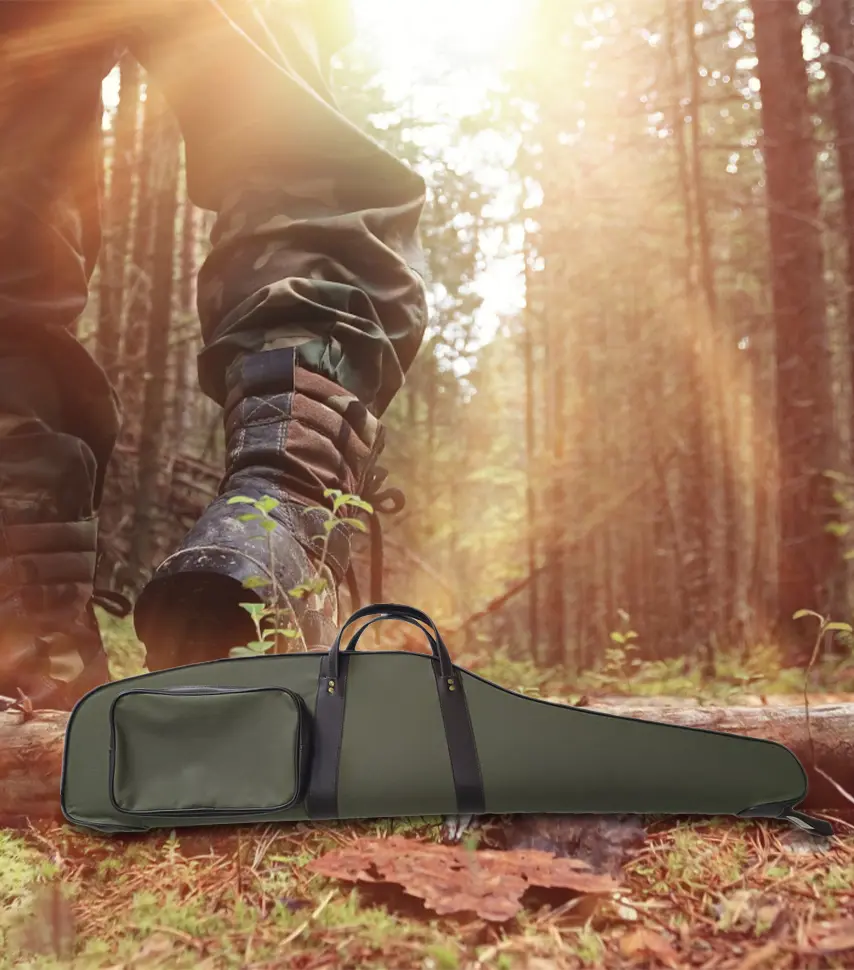 Hunting And Shooting Bag LSH
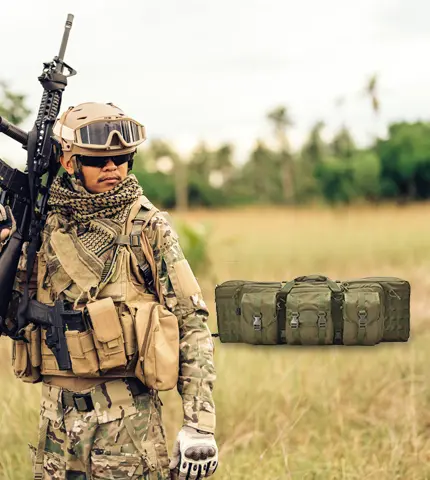 Tactical Military Bag & Vest LST
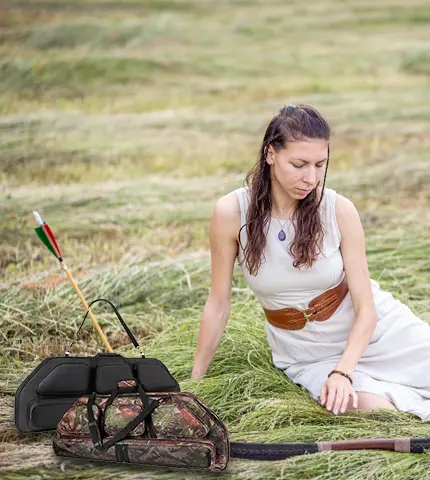 Archery Bag LSC
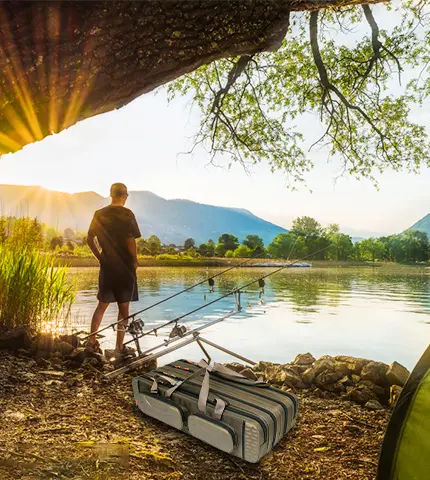 Fishing Bag LSF
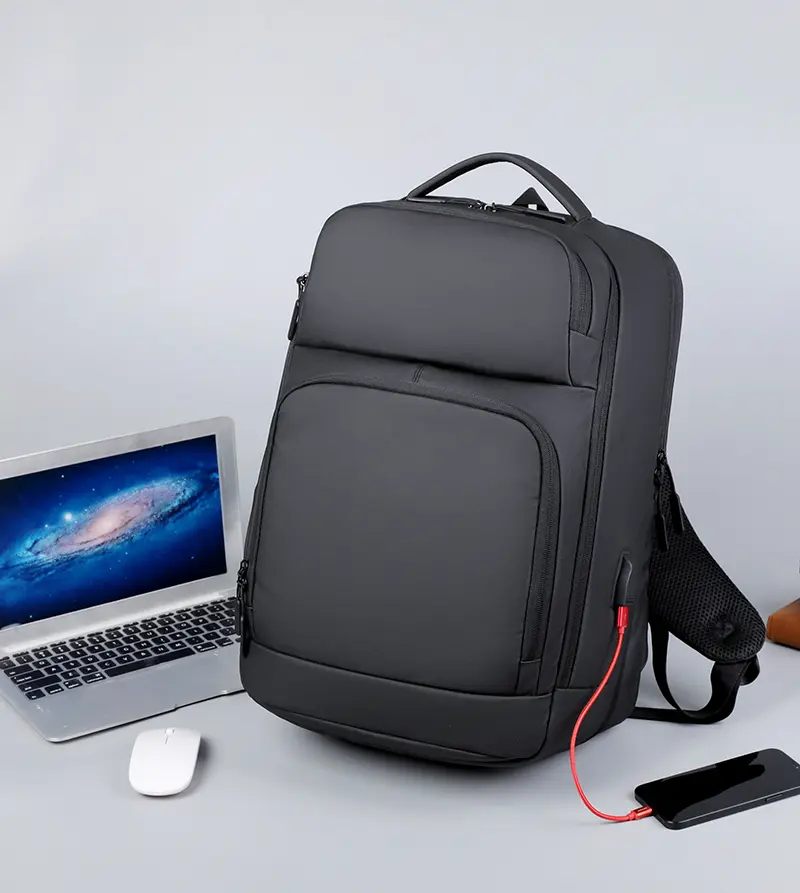 Others LSB