- Home
- About Us
- Products
- FAQ
- News
- Contact Us
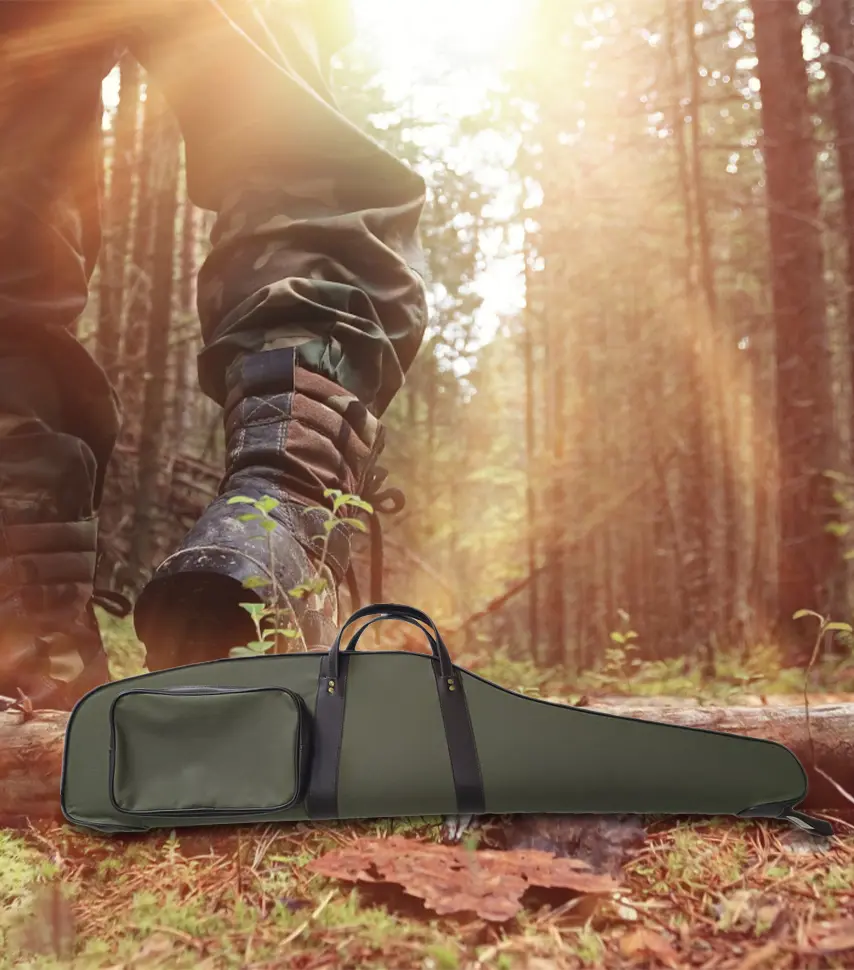 Hunting And Shooting Bag LSH
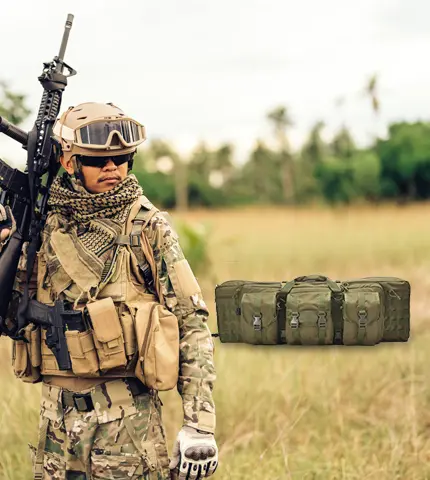 Tactical Military Bag & Vest LST
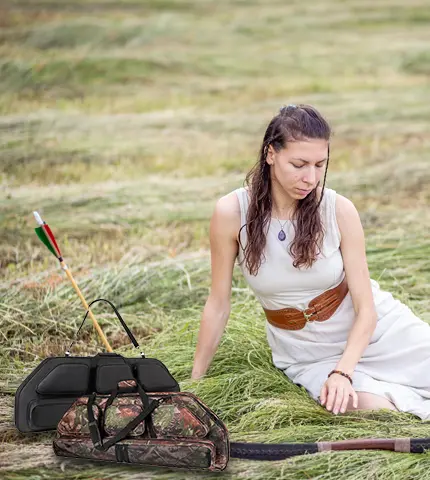 Archery Bag LSC
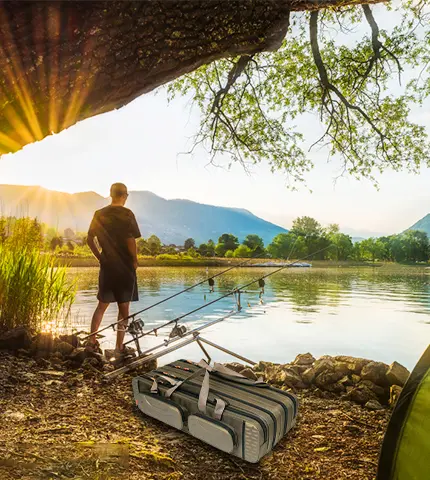 Fishing Bag LSF
 Others LSB
Want to start with us? Contact us
Leave Your Message
- Phone
- E-mail
- WhatsApp

- WeChat

Buying a Hunting Duffle Bag for international markets is more than choosing a large holdall or rugged-looking fabric. Buyers need to match capacity, construction, and carrying comfort to real trips, shipping limits, and customer expectations. A bag suited to a short vehicle-based outing may feel awkward on a longer walk. Small details matter. Check the zipper track, handle stitching, shoulder-strap attachment points, and base shape when the bag is loaded. Fabric descriptions also deserve scrutiny: water-resistant does not automatically mean waterproof, and a high denier rating alone cannot prove durability. Ask for material specifications and inspect a production sample when possible.
This guide presents ten practical tips for comparing products and communicating with suppliers. It covers usable dimensions, pocket layout, materials, seam reinforcement, hardware, comfort, cleaning, customization, quality checks, and total landed cost. For global buyers, carton size, order quantities, lead times, and clear product documentation can matter as much as appearance. Request consistent measurements and confirm what is included before approving an order. Photos are incomplete. Even a careful checklist has limits: field conditions, user habits, and supplier variation can change results. Treat product claims as questions to verify, not guarantees. The aim is to source a Hunting Duffle Bag that suits its intended outdoor use, travels reliably through the supply chain, and delivers value without promises the product cannot support.
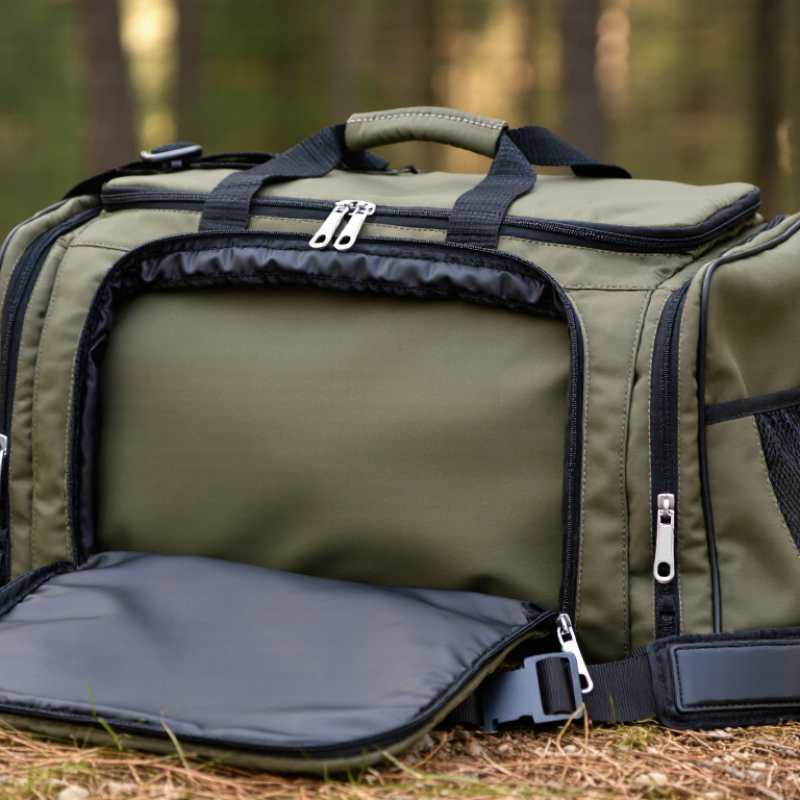
A hunting duffle bag should match the trip, not an imagined worst-case load. Before comparing sizes, list the gear you actually carry: clothing layers, rain shell, food, water, first-aid supplies, and personal items. A day trip may need only a compact bag with room for a dry layer and essentials. A weekend away calls for more space, but extra capacity can invite unnecessary packing. Heavy bags get old quickly.
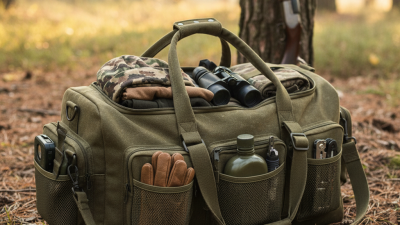
Tips: Lay your gear on the floor and measure the pile. Check the bag’s usable dimensions, opening, handles, and compartment layout. Keep frequently needed items near the top. A wide opening helps you find gloves without unpacking everything.
Think about how the bag will travel from vehicle to camp. Padded handles and a shoulder strap can make a short carry more comfortable, while durable fabric helps with repeated contact against rough surfaces. Still, durability does not mean indestructible. Avoid filling every inch; overpacking can strain seams and make access awkward. I have found that a written gear list helps, though mine is not always perfect. Recheck it after each trip and remove items you never used.
| Tip | Buying Consideration | Practical Guide | Why It Matters |
|---|---|---|---|
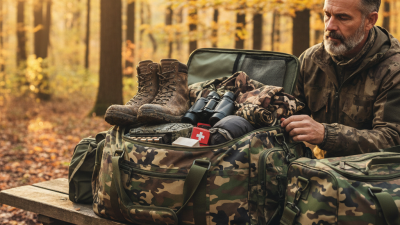
| 1 | Define the hunting activity | List the equipment you expect to carry, such as clothing layers, boots, optics, a first-aid kit, food, and accessories. Keep firearms and ammunition separate and follow local transport laws. | Different activities call for different layouts. A day hunt may need quick access to a small set of essentials, while a remote trip can require more clothing and camp gear. |
| 2 | Match capacity to trip length | As a starting point, consider about 30–45 L for a day trip, 45–65 L for an overnight trip, and 65–90 L for several days. Adjust for season, packing style, and whether camping equipment is carried separately. | These are approximate ranges, not fixed standards. Bulky cold-weather layers and sleeping gear can take up substantially more space than warm-weather clothing. |
| 3 | Estimate the total gear load | Make a packing list and weigh the loaded bag. Compare the expected load with the bag’s stated capacity and any manufacturer weight guidance; do not rely on volume alone. | A large bag can hold more than is comfortable to carry. If the load is heavy, padded shoulder straps, a sternum strap, or a backpack-style harness can improve handling. |
| 4 | Check dimensions and access | Measure the bag when packed, including protruding handles and pockets. Choose a wide opening and a shape that lets you reach equipment without unpacking everything. | Interior capacity does not show how easy a bag is to load or fit in a vehicle. For air travel, check the current airline’s baggage rules; a commonly used checked-bag limit is 158 cm (62 in) in total linear dimensions, but allowances vary. |
| 5 | Select fabric for the terrain | Common options include polyester and nylon fabrics in a range of weights and weaves. Heavier fabrics, reinforced panels, and abrasion-resistant bases may suit frequent rough-ground use. | Fabric denier is one specification, not a complete measure of durability. Construction, coating, stitching, and reinforcement also affect wear resistance. |
| 6 | Assess weather protection | Look for a water-resistant coating, storm flap, covered zipper, or included rain cover if exposure to rain is expected. Use dry bags inside for items that must stay dry. | Water-resistant materials can help with light moisture, but a duffle is not necessarily waterproof. Seams, zippers, and closures can allow water in during prolonged rain or immersion. |
| 7 | Separate clean, wet, and dirty gear | Choose a layout with a dedicated boot compartment, end pockets, or a removable divider. Confirm that any separate compartment fits the footwear or clothing you plan to carry. | Separating muddy boots or damp layers helps keep clean clothing and other equipment organized. Ventilation can help moisture escape, but wet gear should still be dried promptly. |
| 8 | Inspect closures and stress points | Check zipper size and operation, handle attachment points, strap stitching, bar-tacked areas, and reinforcement at the base. Test the bag with a realistic load before a trip. | Handles, straps, and zipper ends experience concentrated strain. Durable-looking fabric alone does not guarantee that these high-stress areas are well constructed. |
| 9 | Choose useful carrying options | For vehicle-to-camp transport, grab handles may be sufficient. For longer carries, look for padded, adjustable shoulder straps or a harness that can be removed when not needed. | Carrying comfort depends on the loaded weight, strap width, padding, and fit. A duffle is not a substitute for a fitted backpack when carrying heavy loads over long distances. |
| 10 | Review sourcing and care details | Ask for material composition, product dimensions, empty weight, capacity measurement method, care instructions, and packaging details. For international orders, confirm shipping dimensions and applicable import requirements. | Clear specifications make products easier to compare and help buyers estimate freight, storage, and maintenance needs. Care instructions also help preserve coatings, zippers, and fabric. |
Planning note: Capacity and load recommendations are general starting points. Actual requirements depend on equipment, climate, trip duration, transport method, and local regulations.