What Are the Top Hunting Blind Bags for Global Buyers?
Choosing the right Hunting Blind Bags can shape comfort, organization, and readiness during long outdoor sessions. Global buyers often compare materials, capacity, camouflage patterns, carrying systems, and weather resistance before placing an order. A bag that looks practical online may feel bulky after several hours in the field. That difference matters.
This guide examines popular bag styles for hunters, outdoor retailers, and international distributors. It considers durable polyester, reinforced stitching, quiet fabric handling, padded compartments, and adjustable shoulder straps. Practical testing should include rain exposure, zipper movement, weight balance, and access while wearing gloves. Small details matter.
Reliable purchasing also requires checking supplier experience, product specifications, sample quality, and after-sales communication. Buyers should confirm dimensions, fabric composition, packaging, labeling, and shipping terms before making a larger commitment. Regional hunting rules and import requirements can differ significantly. Responsible use remains essential.
No single design suits every buyer. A lightweight waist pack may work well for short walks, while a larger backpack supports extended trips. Some camouflage prints look convincing in photographs but perform poorly in changing terrain. That weakness deserves attention.
The sections ahead compare leading Hunting Blind Bags by function, construction, portability, and buyer value. They also highlight practical limitations, because honest evaluation is more useful than polished advertising. Expect clear guidance, not exaggerated promises. Your terrain, climate, equipment, and local regulations should guide the final choice.
Hunting Blind Bags: Purpose, Design, and Essential Features
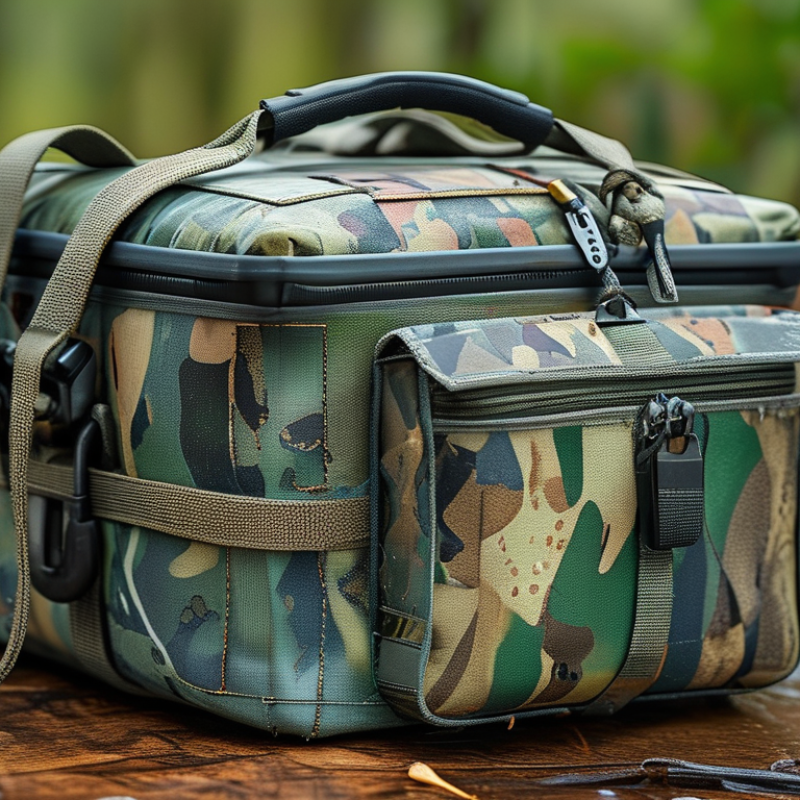
Hunting blind bags protect and organize equipment used around a concealed hunting position. Their purpose is practical: carry calls, gloves, optics, snacks, water, and small tools without creating unnecessary noise. A well-designed bag should remain stable while moving through brush. It should also open quietly, even in cold weather. Field users often value simple layouts more than excessive pockets.
Durable fabric, reinforced stitching, and water-resistant zippers help protect equipment from rain, mud, and rough ground. Adjustable straps should fit different body types and allow comfortable movement. Quiet buckle systems are useful, but they may wear faster than expected. That detail deserves inspection. Interior compartments can separate delicate optics from heavier tools. However, too many compartments may slow access. Buyers should also check weight, cleaning needs, and local hunting regulations before choosing a bag. Global buyers may need different weather protection for humid forests, dry plains, or freezing regions.
Tips: Test the bag with real equipment before purchase. Fill it, walk several minutes, and listen for fabric or zipper noise. Check whether the opening works with gloves. Look for loose threads and weak strap anchors. A compact bag is not always better. I would question any model that promises complete weather protection without sealed seams. No bag is perfect. The best choice balances quiet handling, carrying comfort, durability, and legal, responsible outdoor use.
Key Types of Hunting Blind Bags for Different Hunting Conditions
What Are the Top Hunting Blind Bags for Global Buyers?
Key Types of Hunting Blind Bags for Different Hunting Conditions
A compact ground-blind bag suits short walks across dry fields and open grassland. It should carry folded blind panels, stakes, gloves, and a small repair kit. Reinforced handles help when the load becomes awkward. Wide openings also reduce fumbling during setup. In windy areas, choose compression straps and firm stitching. A loose bag can expose equipment at the wrong moment.
For wet forests, marshes, or snowy terrain, waterproof blind bags offer better protection. Look for coated fabric, sealed seams, and covered zippers. These features help keep fabric and metal parts dry during sudden rain. A backpack-style design distributes weight more evenly on uneven trails. Mud wins. That matters. However, completely waterproof construction often adds weight and stiffness. Buyers should test the balance before ordering large quantities.
Vehicle-access hunting may require larger storage bags with broad bases and durable panels. These models can protect blinds during transport and repeated loading. For boats or humid coastal areas, drainage features prevent trapped water from damaging materials. Bright interior lining can also make small parts easier to find. Check local hunting rules, land access requirements, and seasonal restrictions before use. Some bags appear ideal online but feel uncomfortable after a long carry. That limitation deserves honest attention. A practical buyer should compare capacity, fabric weight, closure quality, and repairability rather than relying on appearance alone.
What Are the Top Hunting Blind Bags for Global Buyers?
Key types of hunting blind bags for different hunting conditions
The chart uses a practical suitability score from 1 to 10, based on portability, concealment support, weather protection, storage capacity, and adaptability to common hunting environments. Waterproof roll-top bags perform strongly in wet conditions, while compact seat-pack bags are better suited to mobile hunts and short-range movement. These are comparative planning scores rather than sales or brand data.
Materials, Capacity, and Weather Protection Explained
What Are the Top Hunting Blind Bags for Global Buyers?
Materials, capacity, and weather protection determine whether a hunting blind bag performs beyond the showroom. The U.S. Bureau of Economic Analysis reported that outdoor recreation generated about $1.2 trillion in 2023. That scale reflects demanding use, not casual storage. Buyers should inspect 500D or 600D polyester for abrasion resistance. Nylon can reduce weight, but it may feel less rigid under heavy loading. Recycled fibers are worth considering, although sustainability claims need supply-chain evidence.
Capacity should match the equipment, not imagined future needs.
A 20–30-liter bag often carries binoculars, gloves, calls, snacks, and a compact rain layer. Larger 40-liter designs suit longer stationary sessions, but unused space can create noise. Quiet access matters. A firm base helps when placing the bag on wet ground. Still, capacity figures are not always measured consistently. One seller may include every exterior pocket.
Weather protection requires more than a water-resistant label. Look for coated fabric, covered zippers, reinforced seams, and a drainage-friendly bottom. Seam sealing is especially important during prolonged rain. The European Environment Agency notes that extreme precipitation risks are increasing across many regions, making weather resilience less optional. I would test any bag with tissue paper inside before field use. That simple check can expose weak closures. No specification replaces hands-on inspection.
How to Compare Portability, Comfort, and Storage Options
A hunting blind bag should match the distance between your vehicle and the setup area.
For global buyers, portability often matters more than maximum capacity. A lightweight bag with padded shoulder straps reduces fatigue on uneven ground. Wide straps help when clothing becomes bulky. Check the empty weight carefully. Some bags look compact online but feel awkward after adding water, tools, and personal gear. That difference is easy to underestimate.
Comfort depends on more than padding.
Look for breathable back panels, adjustable straps, and quiet fabric that does not snag on branches. Zippers should open smoothly with cold or gloved hands. A field-tested bag usually has reinforced stitching around the handles. Small details matter. I once found that a rigid frame improved organization but made the bag uncomfortable during a long walk. That design was not a complete failure, but it needed better balance.
Storage options should support quick access without creating clutter.
Separate compartments can hold optics, permits, snacks, and weather covers. Internal sleeves protect delicate equipment from metal tools. External pockets are useful, though they may catch on dense vegetation. Buyers should compare measurements in centimeters and liters, not only product photos. Waterproof fabric is helpful, but sealed seams and covered zippers provide stronger protection. Before buying, check local hunting rules, transport requirements, and seasonal weather conditions. A bag suited to dry woodland may perform poorly in wet grass or freezing rain. Test the loaded bag at home first. Real comfort can be surprisingly different.
Buying Considerations for International Hunting Equipment Buyers
What Are the Top Hunting Blind Bags for Global Buyers?
For international buyers, the best hunting blind bag is not always the largest one. Field experience shows that practical storage matters more than impressive capacity. A strong bag should protect blind fabric, poles, stakes, and personal gear during transport. Look for reinforced stitching, weather-resistant material, reliable zippers, and comfortable shoulder straps. Check the empty weight carefully. A heavy bag becomes tiring after a long walk. Measure the packed blind before ordering. Product photos can be misleading.
Tips: Compare internal dimensions, fabric thickness, strap length, and closure design. Ask the seller for clear measurements. Confirm whether replacement parts are available. Check user feedback from buyers in similar climates. Humid regions need better moisture protection, while cold areas may require flexible materials. These details affect real performance.
International shipping requires extra attention. Confirm packaging size, delivery insurance, customs documents, and return procedures before payment. Import duties may vary by destination. The bag should also comply with local equipment rules and transport restrictions. Avoid products with unclear material descriptions or missing safety information.
I once selected a compact bag to reduce shipping costs. It looked sensible, but the narrow opening slowed setup and damaged a pole tip. That mistake changed my buying checklist. A slightly wider opening may be worth the extra cost.
Reliable sellers provide consistent specifications, responsive communication, and realistic delivery estimates. Keep screenshots of product details and inspect the bag immediately after arrival.



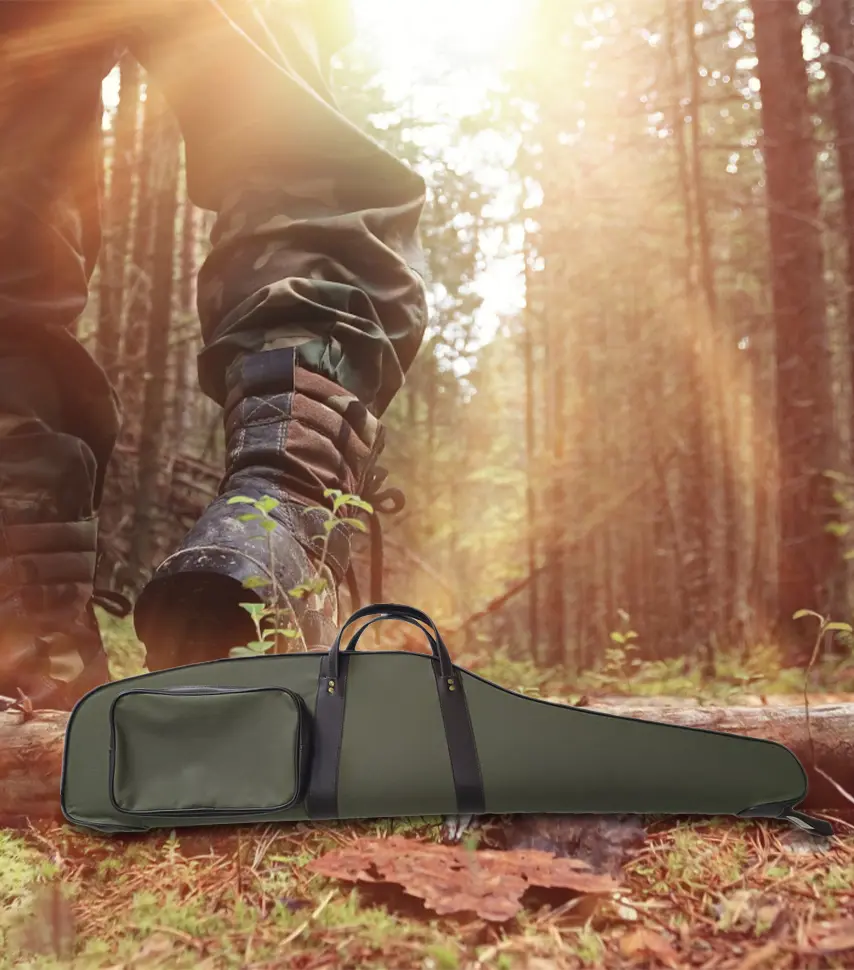 Hunting And Shooting Bag LSH
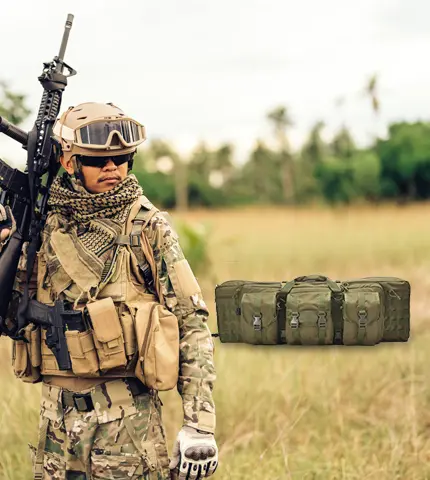 Tactical Military Bag & Vest LST
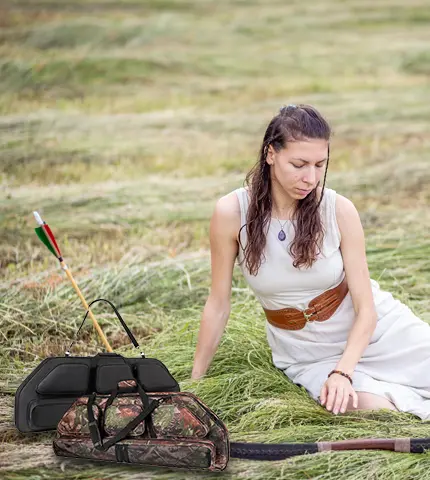 Archery Bag LSC
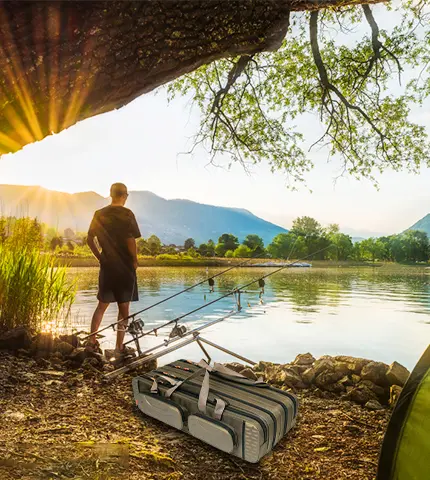 Fishing Bag LSF
 Others LSB