Top Hunting Blind Bags for Outdoor Enthusiasts to Consider
When venturing into the great outdoors, having the right gear is crucial for every hunting trip. Among the essentials, Hunting Blind Bags stand out for their practicality and versatility. These bags are designed to keep your hunting equipment organized and easily accessible. With various sizes and materials, they cater to different needs and preferences.
Choosing the right Hunting Blind Bags can be challenging. There are many options available, each with its own features and benefits. Some might be waterproof, while others focus on durability or ample storage. Consider your specific activities when selecting a bag. You may find that some options do not provide the organization you need.
In your pursuit of the perfect Hunting Blind Bags, reflect on your experiences. What worked well in the past? What could have been better? This insight will help you make informed choices for your next adventure in the field. By emphasizing functionality and personal needs, you can enhance your hunting experience significantly.
Essential Features to Look for in Hunting Blind Bags
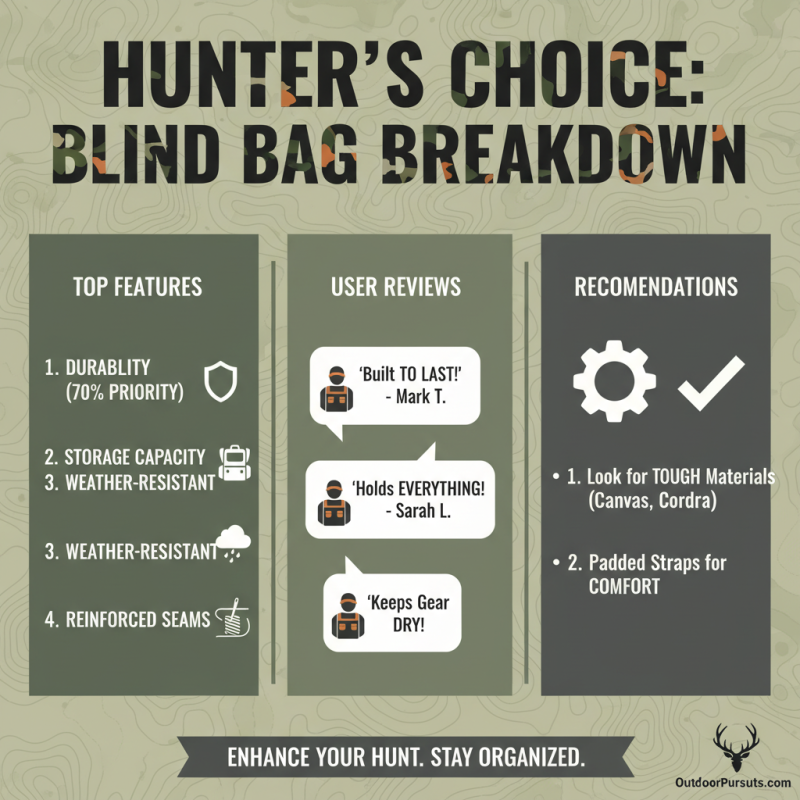
When selecting a hunting blind bag, several essential features should guide your choice. Durability is crucial. Materials must withstand various weather conditions. Look for bags made from water-resistant or waterproof fabrics. This helps protect your gear in the field. Reinforced stitching also contributes to long-lasting use.
Storage capacity is another important aspect. A bag should accommodate all your gear without being excessively bulky. Consider the compartments and organization options. Pockets that allow easy access to items like calls or optics can enhance your hunting experience.
Tips for choosing the right hunting blind bag: Always test the zippers and closures. They should operate smoothly, even with gloves on. Also, think about the bag's weight. It should be manageable when fully loaded. Reflect on your usual hunting distance. A heavier bag can be cumbersome on long treks. Evaluate your needs and pack only the essentials.
Types of Hunting Blind Bags: Backpack vs. Tote vs. Duffel
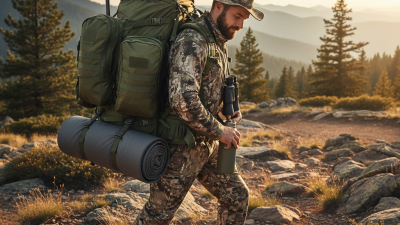
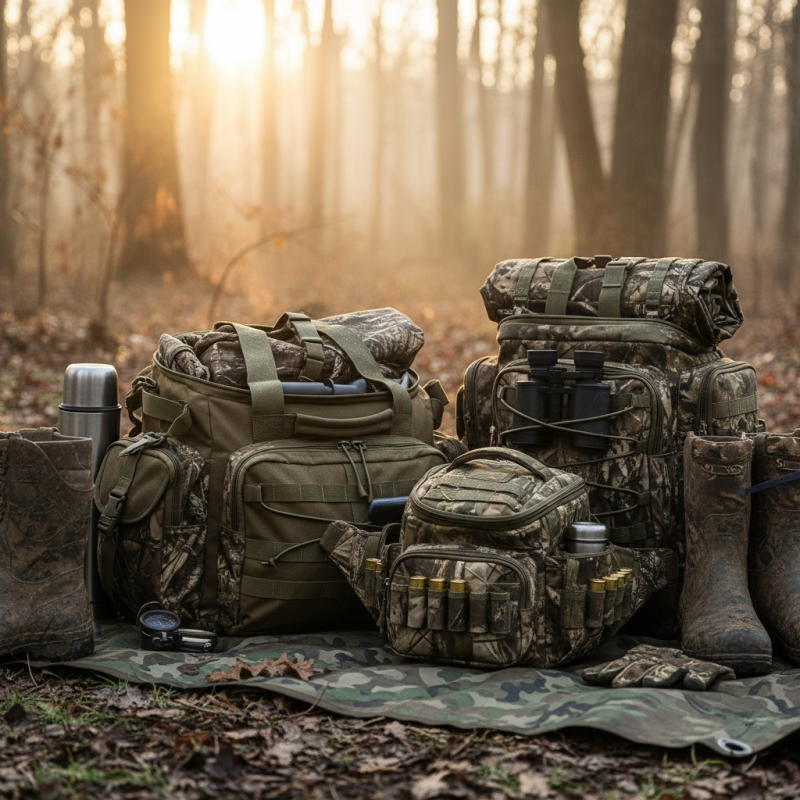
When choosing a hunting blind bag, the type often determines your experience in the field. Backpacks are popular among hunters who value mobility. They allow hands-free movement, which is essential when navigating rugged terrains. Many backpacks come equipped with multiple pockets. These help organize essential gear, such as calls, binoculars, and snacks. Ideally, they should also feature water-resistant materials to protect your gear from unexpected weather. However, carrying a fully packed backpack can become cumbersome during long treks.
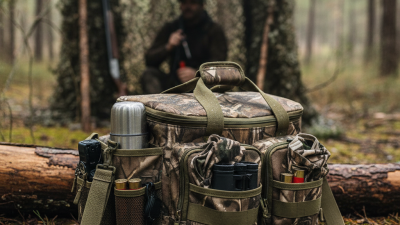
On the other hand, tote bags often prioritize accessibility and ease of use. They offer a spacious design, making it simple to store and retrieve items. This can be invaluable when you need immediate access to your gear. Yet, tote bags may lack the structural support that some hunters desire. They might not be ideal for long hikes. Duffel bags provide another option. They balance capacity and portability, making them versatile for various outings. A well-designed duffel can carry everything from clothing to hunting gear. Yet, they may not always fit into tight spaces as easily as backpacks. Ultimately, the choice between these bags depends on individual needs and hunting styles. Reflecting on your outings can help you decide which type serves you best.
Top Hunting Blind Bags for Outdoor Enthusiasts
Top Brands in the Market for Hunting Blind Bags
When selecting a hunting blind bag, various reputable brands stand out in the market. These brands focus on durability and functionality. Many bags are designed specifically for outdoor enthusiasts, ensuring convenience and ease of use. Features like waterproof materials and ample pockets enhance their appeal. Enthusiasts appreciate a bag that can withstand challenging weather conditions.
Tips for choosing the right hunting blind bag include considering size and weight. A bag should be large enough to fit your gear but not overly cumbersome. Look for adjustable straps, which aid in comfort during long treks. It's important to test the bag with equipment before purchasing. This ensures it meets your specific needs.
Another factor to consider is organizational features. Compartments for tools, calls, and snacks can improve your experience in the field. A well-organized bag saves time and minimizes the risk of losing gear. Reflect on what works best for your hunting style. The perfect bag enhances your enjoyment and efficiency outdoors.
Maintenance Tips for Longevity of Your Hunting Blind Bag
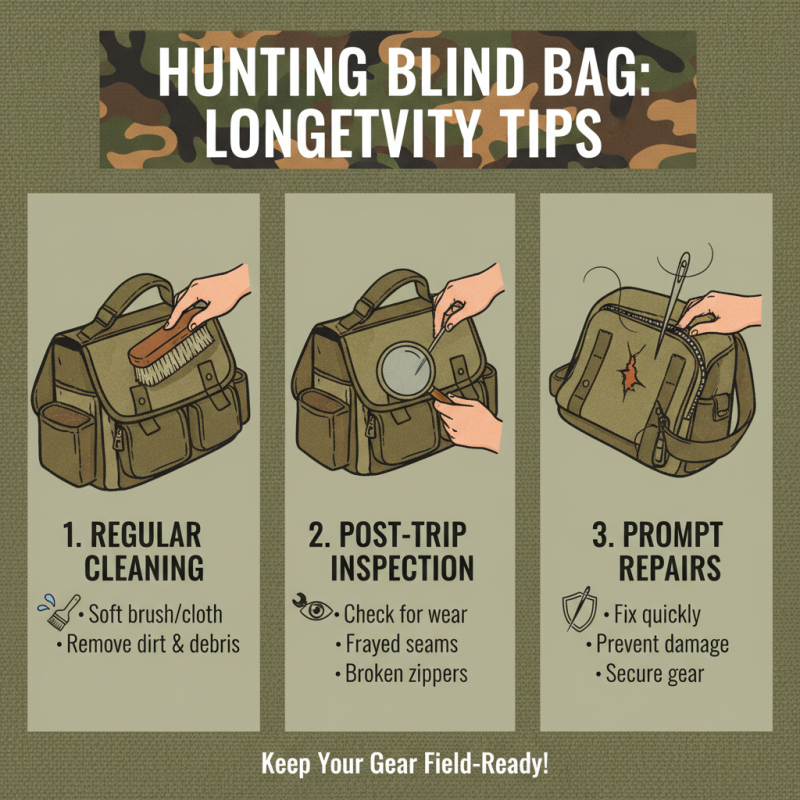
A hunting blind bag is essential for outdoor enthusiasts. To ensure its longevity, proper maintenance is key. Regular cleaning is crucial. Use a soft brush or cloth to remove dirt and debris. After each hunting trip, inspect the bag for any signs of wear. If you notice frayed seams or broken zippers, it’s vital to address these issues quickly. This prevents further damage and keeps your gear secure.
Storage conditions matter as well. Avoid leaving the bag in damp areas. Moisture can lead to mold growth. Instead, store it in a cool, dry place. Consider using silica gel packets to absorb excess moisture during storage. These small details make a big difference over time.
Another important point is routine checks. It’s a good practice to review your hunting gear at the start of each season. This ensures everything is in top condition. Failing to do so could mean missing crucial items during a hunting trip. Reflecting on your maintenance habits can help you improve. Transitioning to a more systematic approach may also yield great results.



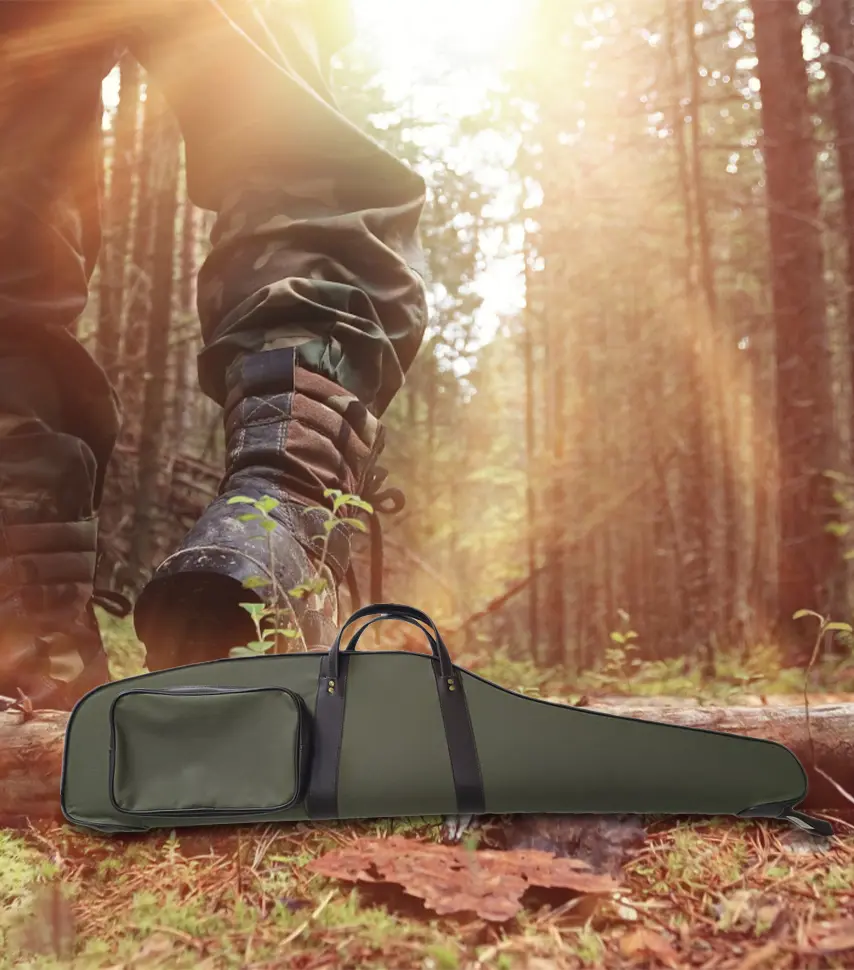 Hunting And Shooting Bag LSH
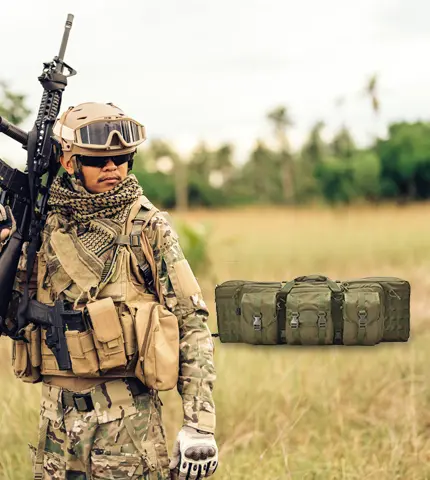 Tactical Military Bag & Vest LST
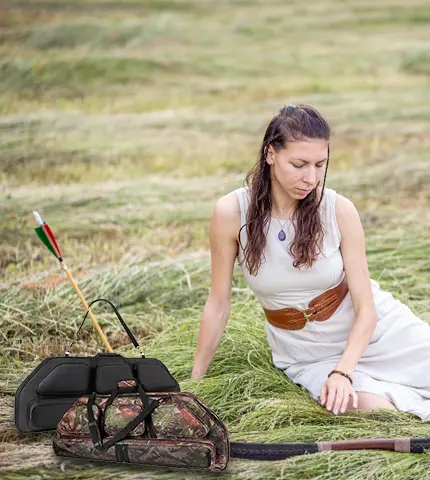 Archery Bag LSC
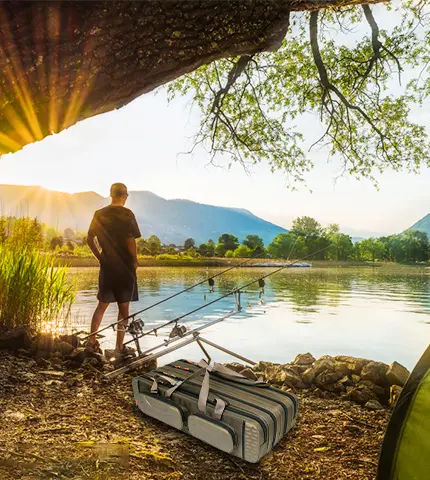 Fishing Bag LSF
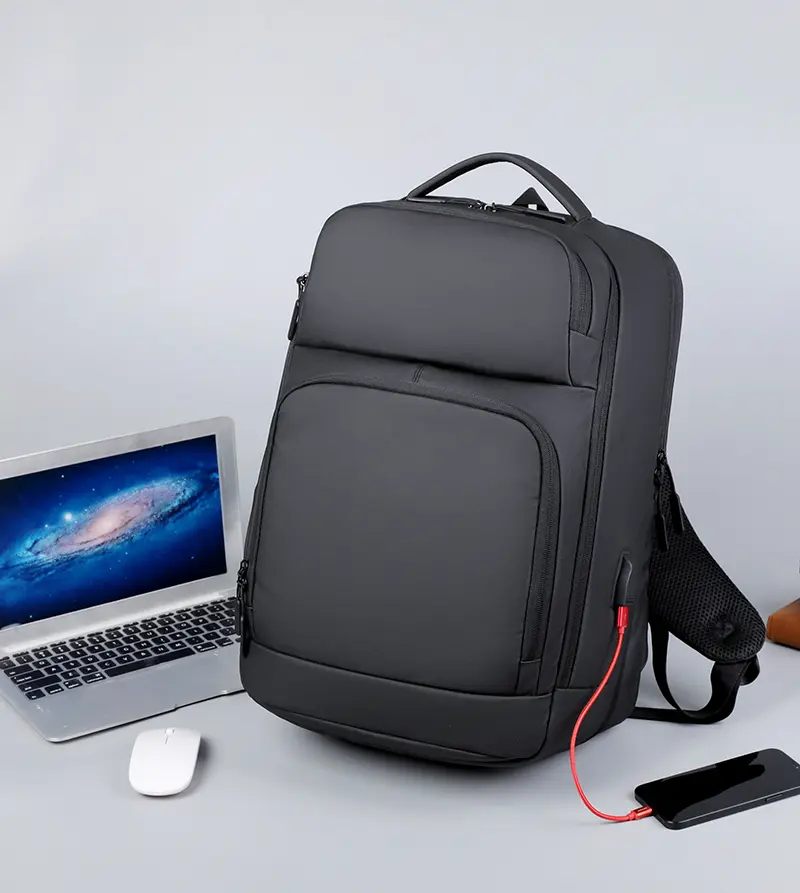 Others LSB