Top Military Bags for 2026 What Buyers Are Looking For?
As we approach 2026, the demand for high-quality military bags continues to surge. According to industry reports, the military gear market is projected to grow at a CAGR of 5% through the next few years. This growth reflects a broader trend, with consumers increasingly prioritizing durability and functionality when selecting military bags.
Buyers today seek bags that not only withstand tough conditions but also offer versatility. Features like modular systems and water-resistant materials are often highlighted. Furthermore, the rise of outdoor activities and tactical sports has fueled interest in military-style bags among casual users. As these bags blend practicality with style, the market is experiencing a shift toward inclusivity.
Nevertheless, with a plethora of options available, consumers face challenges. Many struggle to identify which features genuinely enhance performance. In conclusion, staying informed about emerging trends and buyer needs is crucial. The military bag landscape is evolving, and understanding these dynamics will ensure smart purchasing choices.
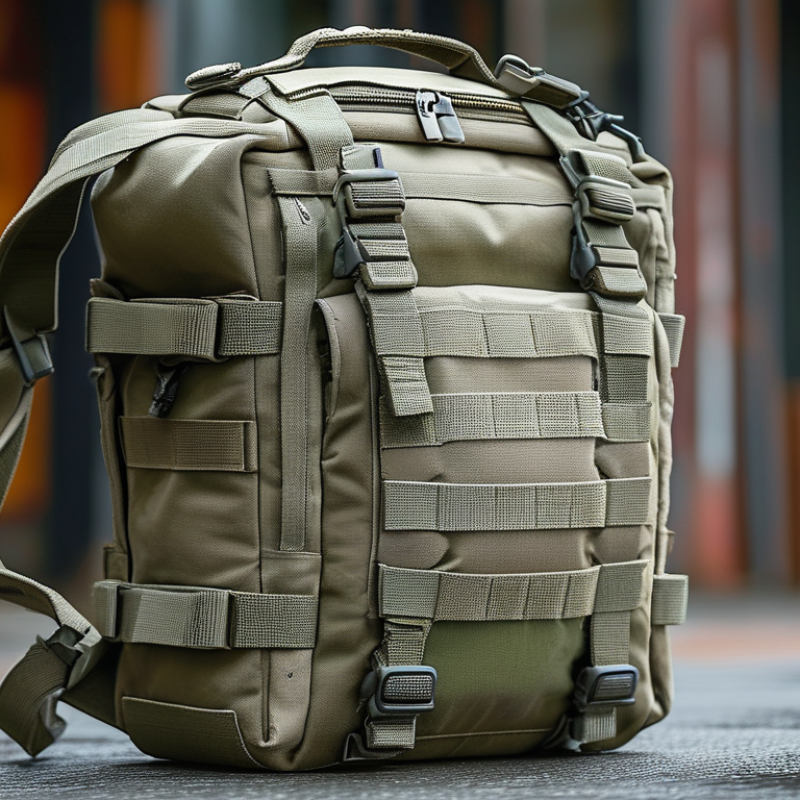
Top Military Bags for 2026: Key Features Buyers Prioritize
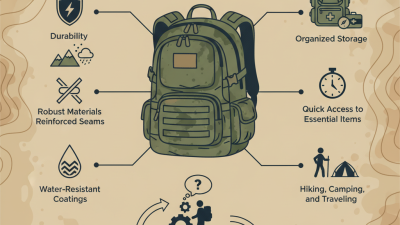
As military bags gain popularity, buyers focus on key features that enhance functionality and durability. According to recent industry reports, nearly 70% of consumers prioritize materials such as high-denier nylon and water-resistant fabrics. These materials ensure longevity, especially in harsh environments. A sturdy bag needs to withstand heavy use while providing protection for essential gear.
Comfort and organization also rank high on buyers' lists. The same studies show that about 65% of users seek adjustable straps and padded back panels. These features improve comfort during long missions. Additionally, buyers appreciate compartments and pockets for easy access to equipment. A well-designed bag can significantly improve efficiency during critical situations.
Despite these priorities, manufacturers often overlook the user's needs in real-world scenarios. For instance, while many bags boast ruggedness, some examples fail in weight distribution. Buyers have reported discomfort when carrying fully-loaded bags over extended periods. This gap between design and user experience reflects an area for improvement in the military bag industry, highlighting the need for deeper research into user preferences.
Material Durability: Importance of High-Quality Fabrics in Military Bags
When considering military bags for 2026, one key factor stands out: material durability. The choice of fabric directly impacts the bag's performance in various environments. High-quality materials resist abrasions, tears, and water damage. This means a bag can endure tough conditions without falling apart.
Using robust fabrics such as ripstop nylon or heavy-duty polyesters makes a significant difference. These materials not only provide strength but also enhance the bag's overall longevity. Users often underestimate the need for durability, leading to early wear and tear. Choosing the right fabric is essential for those who rely on these bags for daily use or missions.
Though aesthetics play a role, functionality should take precedence. A bag may look good but fail under pressure if made from inferior materials. Buyers should reflect on their needs and environments before making a choice. Investing in a bag with high-quality fabrics can save costs in the long run. Durability, therefore, is not just a feature; it's a necessity in military bags.
Weight Management: Analyzing Consumer Preferences for Lightweight Options
As consumers gear up for 2026, the demand for lightweight military bags continues to grow. Many buyers are prioritizing portability. They want bags that won’t weigh them down during long treks or missions. Technology plays a crucial role here. Advances in materials result in lighter options without sacrificing durability.
However, there are challenges to consider. Some lightweight bags may compromise on features. Buyers often focus on how much they can carry versus the functionality offered. A bag must have ample pockets, adjustable straps, and weather resistance. Finding the right balance between lightness and utility is essential. Many users express frustration with choices that feel flimsy or lack adequate storage.
Furthermore, preferences vary greatly among users. Some prefer traditional designs, while others lean toward modern, sleek aesthetics. This diversity means brands must cater to a wide audience. Even within the lightweight category, consumers have distinct desires, complicating the buying process. As the market evolves, understanding these nuanced preferences will be key.
Versatility in Design: Exploring Adaptable Features Desired by Buyers
The demand for military bags in 2026 shows a clear trend towards versatility in design. Buyers are increasingly seeking bags that can adapt to various needs and environments. This flexibility allows users to switch seamlessly between everyday tasks and specialized missions. A bag that can transform from a tactical pack to a casual backpack is particularly appealing.
Key features include modular compartments and adjustable straps. These elements let users customize storage based on their requirements. A bag that can accommodate both small items and larger gear is essential. Users appreciate pockets for organization, but they want the ability to change configurations quickly. Moreover, weather-resistant materials are a must, ensuring durability in challenging conditions.
However, not all designs meet these expectations. Some bags may lack sufficient storage or be too complicated to adjust. Buyers often find themselves dissatisfied when a bag does not perform well under varied circumstances. Reflecting on this, designers must listen to feedback to improve functionality and enhance user experience. Adaptability in military bags is more than a feature; it reflects a lifestyle choice.
Market Trends: Forecasting Military Bag Innovations for the Next Five Years
In the coming years, military bags are set to undergo significant innovations. Buyers are increasingly looking for versatility and functionality in their gear. Designs incorporating modular systems will dominate the market. These systems allow for customization based on mission needs. Durability remains essential, especially under harsh conditions. Strong materials and reinforced stitching are key features.
Smart technology integration will also be crucial. Bags with built-in GPS tracking and charging ports will attract buyers' interest. This features address modern connectivity needs. Fire-resistant and waterproof materials will enhance safety. Despite these advancements, price remains a major concern for many consumers. There is a delicate balance between cost and quality that manufacturers must navigate.
Sustainability will shape buyer preferences as well. Eco-friendly materials are expected to gain traction. However, the transition to sustainable practices can be challenging for brands. They must ensure that new materials perform effectively. The future of military bags depends on innovation and the ability to adapt.
Top Military Bags Trends for 2026



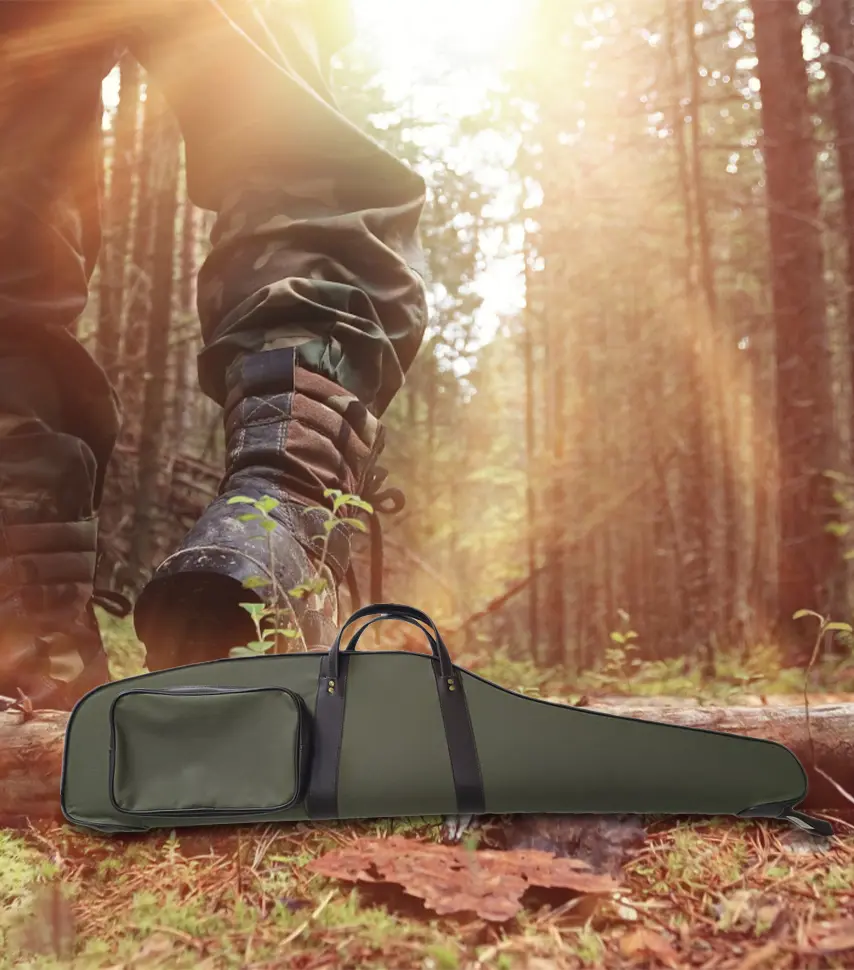 Hunting And Shooting Bag LSH
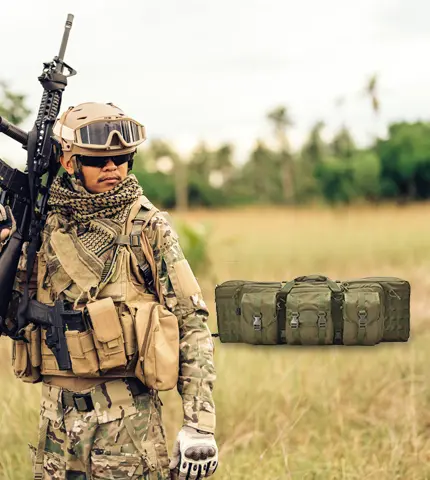 Tactical Military Bag & Vest LST
 Archery Bag LSC
 Fishing Bag LSF
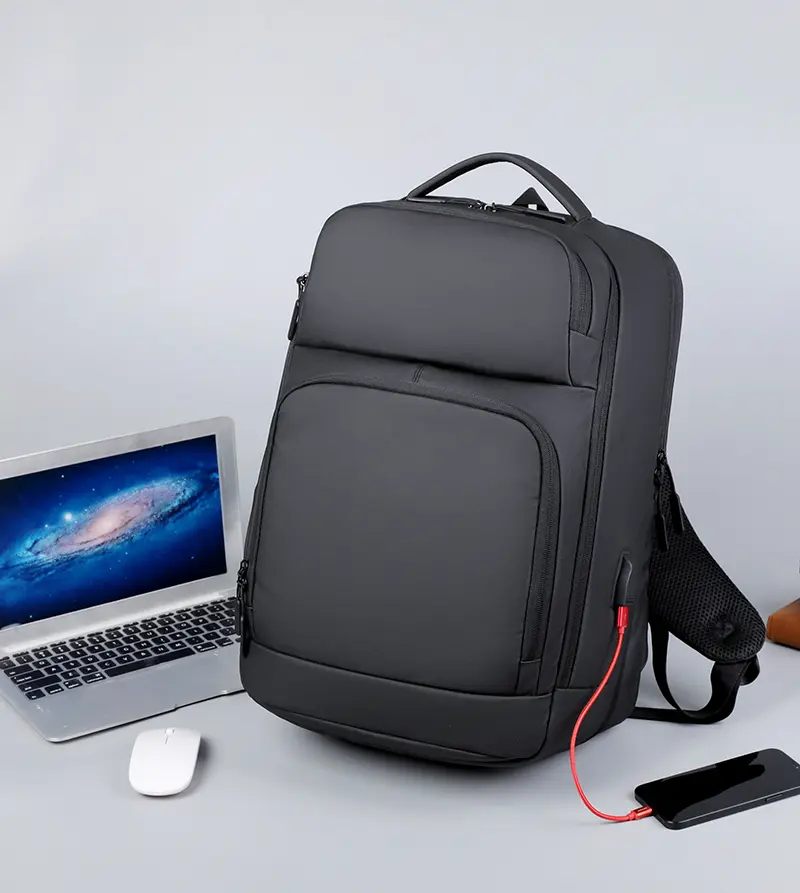 Others LSB