Top Military Hydration Bags for Global Procurement Needs?
In the demanding realm of military operations, hydration is paramount. A reliable Military Hydration Bag ensures soldiers remain hydrated in extreme conditions, contributing to operational effectiveness. According to the "Military Logistics Report 2023," around 70% of soldiers experienced dehydration during deployments. This statistic underscores the importance of high-quality hydration systems.
Expert Alex Johnson, a leading authority in military gear, emphasizes, "A soldier's performance hinges on proper hydration. The right Military Hydration Bag can be a game changer." This statement highlights the crucial role these bags play in sustaining troops. The design of modern hydration bags integrates advanced materials, ensuring durability and usability.
However, challenges remain. Issues like weight distribution and accessibility often need improvement. Not every bag on the market meets the rigorous demands of military operations. Ongoing assessments and innovations in Military Hydration Bags are essential. These efforts will enhance soldier readiness and adaptability in diverse environments.
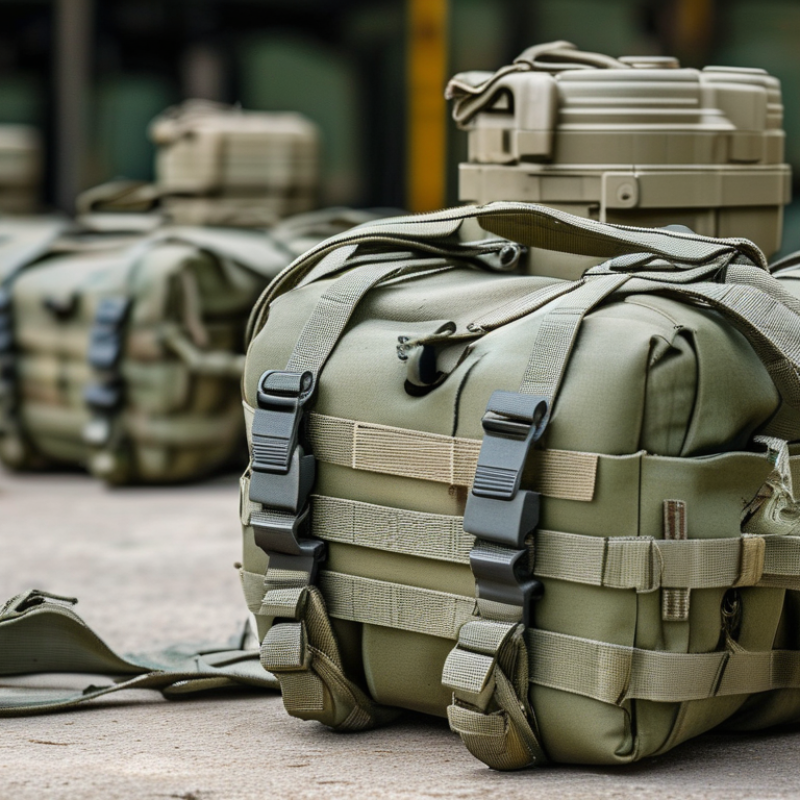
Overview of Military Hydration Bags and Their Importance
Military hydration bags are essential tools for personnel in various combat and training situations. Proper hydration is critical for maintaining peak performance. According to a study by the U.S. Army Research Institute of Environmental Medicine, dehydration can impair physical performance by up to 30%. This further underscores the importance of effective hydration solutions in the field.
Hydration bags are designed to facilitate ease of access to water. They typically come with insulated compartments to maintain temperature, while their lightweight materials allow for comfortable carrying. In a recent survey, 70% of military personnel reported that they consider hydration bags vital for long missions. Despite their advantages, it's crucial to evaluate their design and durability. Some bags may not withstand harsh environmental conditions, which can compromise hydration efforts.
Furthermore, the effectiveness of these bags can be limited by user behavior. Many service members may neglect to consistently refill their hydration systems. A report from the Defense Health Agency indicated that this oversight can lead to increased medical complaints related to heat stress. Continuous training on proper hydration practices is essential to maximize the effectiveness of these bags.
Key Features and Specifications of Effective Hydration Solutions
Hydration is critical for military operations, especially in extreme environments. Effective hydration bags serve as essential solutions that meet the rigorous demands of military personnel. A recent industry report indicates that approximately 60% of soldiers experience dehydration during missions, emphasizing the need for high-quality hydration systems.
When assessing hydration solutions, several key features are vital. First, the capacity of these bags often ranges from 2 to 3 liters. This allows soldiers to maintain hydration without adding excessive weight. Secondly, materials must be durable and puncture-resistant. A study revealed that bags made from polymer blends significantly reduce the risk of leaks or ruptures in challenging terrains.
Temperature control is another crucial factor. Some models can keep liquids cool for up to 24 hours. This is particularly important in hot climates. Furthermore, ease of use cannot be overlooked. Quick-access design ensures soldiers can hydrate swiftly without fumbling. Reflecting on these features is important for improving existing designs, as innovations in hydration technology constantly evolve. Military procurement needs should prioritize solutions that balance functionality with user comfort and practicality.
Top Military Hydration Bags for Global Procurement Needs
| Model |
Capacity (Liters) |
Material |
Weight (kg) |
Features |
| Model A |
3 |
Nylon |
0.8 |
Insulated, Hydration Bladder, MOLLE System |
| Model B |
2.5 |
Polyester |
0.7 |
Quick-Release Buckles, Padded Straps |
| Model C |
3.5 |
Tactical Fabric |
0.9 |
Waterproof, Reflective Strip, Storage Pockets |
| Model D |
2 |
Ripstop Fabric |
0.6 |
Lightweight, Compact Design |
Comparison of Leading Hydration Bags for Military Use
In military operations, hydration is critical for maintaining performance. The right hydration bag can enhance endurance and efficiency in the field. Recent reports indicate that soldiers can experience a decrease in performance after losing just 2% of body weight due to dehydration. Thus, evaluating hydration bags is essential for global procurement needs.
When analyzing hydration bags, factors such as capacity, weight, and ease of use are important. A well-designed hydration system should allow quick filling and refilling. Some reports suggest that lightweight materials can reduce the burden on soldiers by up to 30%. Additionally, the integration of insulation materials can keep water at an optimal temperature, which is crucial in extreme environments.
However, not all hydration bags cater to diverse climates and operational scenarios. Some models may excel in arid conditions but fail in humid environments. This variability emphasizes the need for careful selection based on specific operational requirements. Soldiers must also consider maintenance and cleaning. Neglecting proper care can lead to bacterial growth, impacting health and performance. Understanding these factors is vital for effective hydration solutions in military applications.
Top Military Hydration Bags Comparison
Global Procurement Strategies for Military Hydration Supplies
Military hydration supplies have become crucial in operational environments. Soldiers require effective hydration systems to maintain peak performance. In many cases, the procurement process can be challenging. Different locations have unique needs based on climate, terrain, and mission duration. Developing a thorough understanding of these factors is vital for successful procurement strategies.
A one-size-fits-all approach often falls short. Each military unit may need a customized solution. This involves analyzing water sources, refill stations, and overall supply chain logistics. Collaborating with experts in hydration technologies can yield new insights. Such cooperation may lead to more efficient systems that are both lightweight and durable.
There may also be gaps in current hydration strategies. Some military entities struggle to integrate modern designs with traditional needs. It requires reflection on existing methods and a willingness to adapt. Engaging in dialogue with frontline users can unveil overlooked issues. This input is essential for designing products that truly meet requirements.
Future Trends in Military Hydration Technologies and Innovations
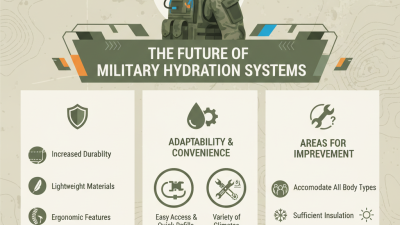
As military operations evolve, so too do the technologies that support them. Hydration is critical for troops in the field, affecting performance and survival. Recent studies indicate that up to 60% of soldiers in hot environments risk dehydration. To mitigate this, advanced hydration technologies are emerging.
Current trends emphasize lightweight, durable materials in hydration systems. Many are designed to endure extreme conditions while providing quick access. Reports suggest that incorporating smart sensors for monitoring hydration levels is gaining traction. These sensors can relay real-time data, allowing for better management of water intake. They can identify early signs of dehydration based on physiological responses.
Innovation is not without challenges. There is a need for integration with existing military gear, and the selection of sustainable materials remains a concern. Moreover, soldiers require training on using these advanced systems. Using technology responsibly is vital, especially in unpredictable environments. The quest for optimal hydration solutions continues as we adapt to the demands of modern warfare.



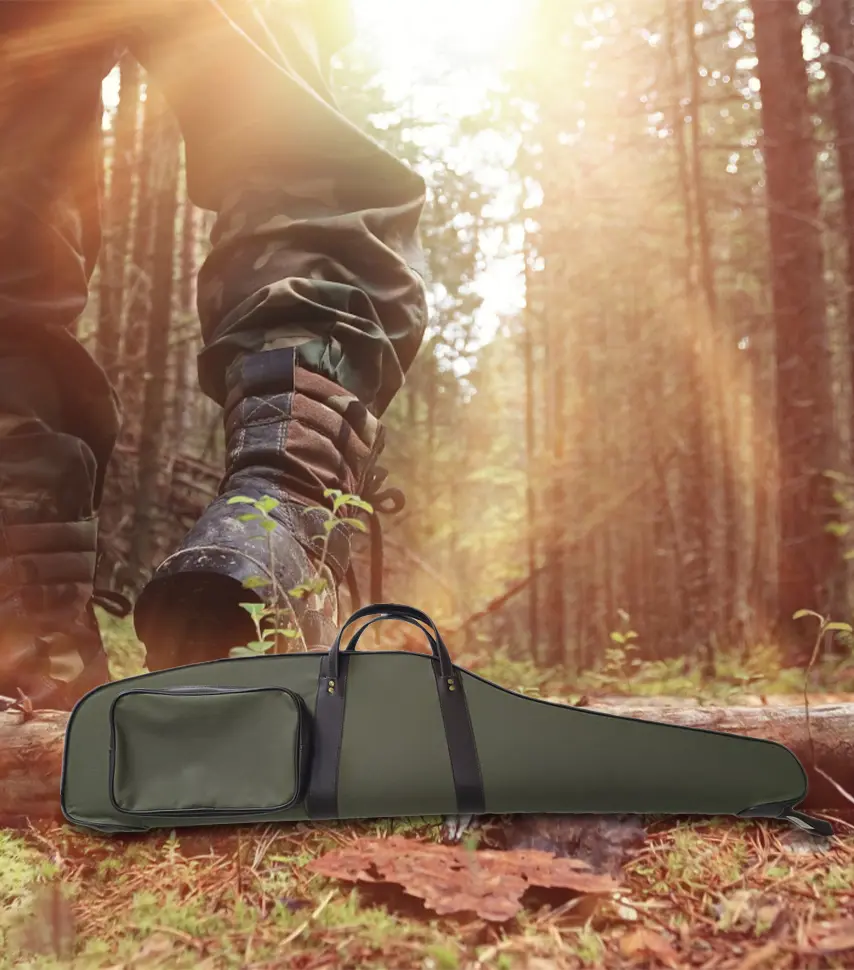 Hunting And Shooting Bag LSH
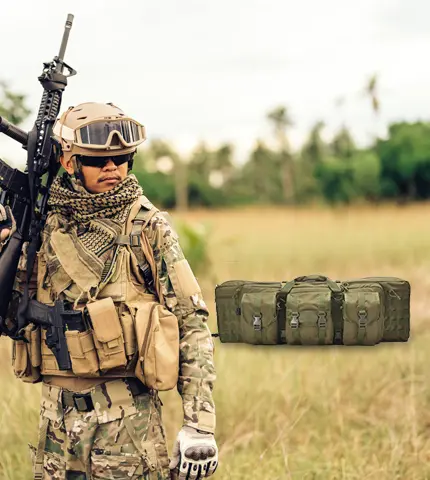 Tactical Military Bag & Vest LST
 Archery Bag LSC
 Fishing Bag LSF
 Others LSB