Ultimate Guide to Choosing the Best Military Hydration Bag?
When it comes to outdoor adventures, staying hydrated is crucial. A Military Hydration Bag can be your best ally in these situations. These bags are designed for durability, efficiency, and practicality. They often feature advanced materials that resist wear and tear. This ensures that your hydration source remains reliable, even in rugged conditions.
Choosing the right Military Hydration Bag involves considering various factors. You need to assess capacity, comfort, and functionality. Look for features like easy-access compartments and adjustable straps. These elements enhance usability during intense activities. Remember, not all bags are created equal. Some may lack sufficient insulation, affecting your drink's temperature.
In this guide, we will explore the key aspects to help you select the best Military Hydration Bag. Your choices can significantly impact your outdoor experience. Emphasizing quality and purpose can make hydration simple and efficient. Keep in mind that an informed decision involves evaluating your specific needs.
Understanding Military Hydration Bags: Features and Benefits
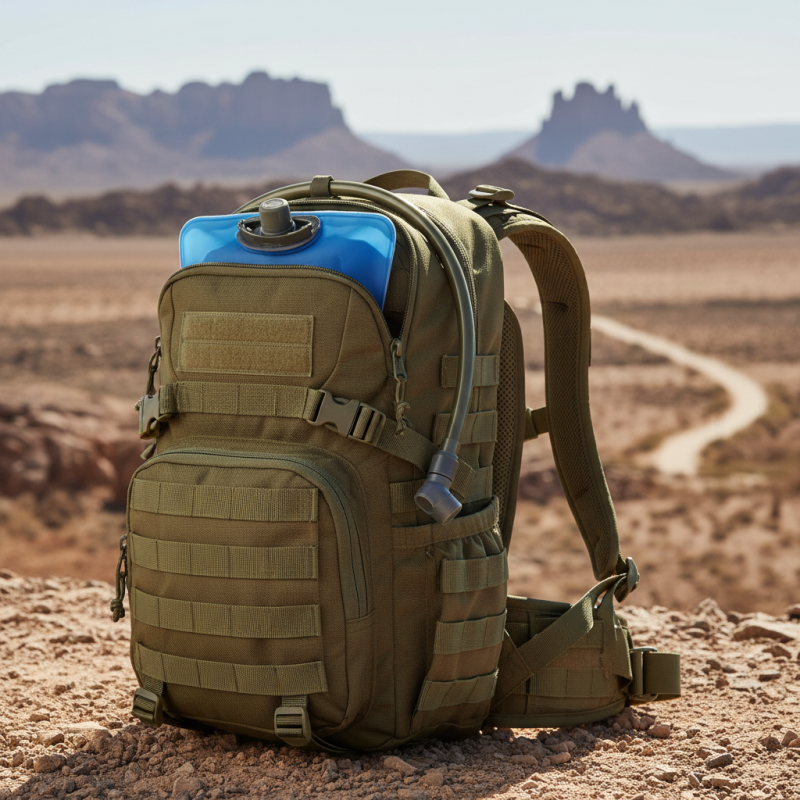
When selecting a military hydration bag, understanding its features and benefits is crucial. Military hydration bags are designed for durability and efficiency. Many models include a reservoir with a capacity of up to 3 liters, ensuring that users stay hydrated during demanding activities. According to a report by the American College of Sports Medicine, optimal hydration significantly enhances performance, especially in hot environments.
These bags often feature insulated tubing to prevent water from heating up. Moreover, a well-ventilated back panel provides comfort during long treks. Users benefit from adjustable straps that enhance fit, reducing fatigue. Research indicates that discomfort can lead to dehydration. Choosing a bag with ergonomic design is essential to maintaining hydration levels.
**Tip:** Consider your specific needs before purchasing. A smaller reservoir can mean less weight but requires more frequent refills. Assess your environment; colder climates may necessitate insulation. Monitoring your water intake is also crucial in high-intensity situations. Stay aware of your hydration needs, particularly during extended outdoor activities.
Ultimate Guide to Choosing the Best Military Hydration Bag
| Feature |
Description |
Benefits |
| Capacity |
Varies typically from 1.5 to 3 liters |
Ensures sufficient hydration during prolonged activities |
| Material |
Durable, waterproof, and mildew-resistant fabrics |
Increases longevity and withstands tough conditions |
| Military Standards |
Meets MIL-SPEC requirements |
Ensures reliability and functionality in field conditions |
| Comfort Features |
Padded shoulder straps and ventilation back panel |
Enhances user comfort during long wear |
| Accessibility |
Easy-access water compartment |
Quick hydration without removing the bag |
| Weight |
Lightweight design |
Does not add significant load, ideal for long missions |
| Storage Compartments |
Multiple pockets for gear |
Organizes equipment, improving accessibility |
| Hydration System |
Compatible with various hydration bladders and tubes |
Versatile and easy to customize for personal needs |
Types of Military Hydration Bags: Selecting the Right One for You
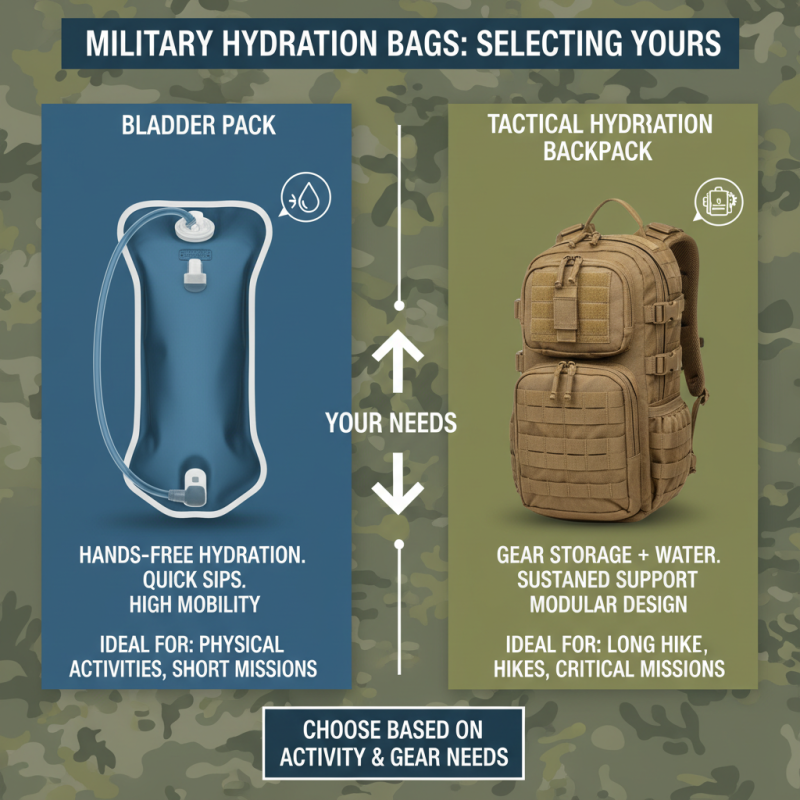
When selecting a military hydration bag, consider the various types available. Each type serves a unique purpose. For instance, a bladder pack is perfect for hands-free hydration during physical activities. This design allows quick sips without slowing down. A tactical hydration backpack, on the other hand, offers additional storage for gear. This can be beneficial during long hikes or critical missions.
Understanding your specific needs is crucial. Assess how much water you need for your activities. A smaller bag may suffice for short trips, while larger capacities are essential for extended outings. Look for materials that offer durability and resistance to wear. If you plan on rugged use, a robust fabric is non-negotiable. Straps and fit make a difference, too; comfort can impact overall performance.
Keep in mind that even the best hydration bags can have flaws. Some may lack sufficient insulation, leading to warm water. Others might be heavier than expected. Researching user reviews can unveil these details. It's essential to find a balance between functionality and comfort. Ultimately, your hydration bag should enhance your experience without compromising performance.
Key Materials and Durability: What to Look For in a Hydration Bag
When selecting a military hydration bag, key materials and durability are paramount. Look for bags made from high-denier nylon or polyester. These materials resist punctures and tears effectively. A thick, water-resistant coating also adds to the lifespan. Features like reinforced stitching enhance overall durability, making it crucial for outdoor adventures.
The choice of bladders enhances usability. Opt for BPA-free materials that ensure safe hydration. Hydration bladders should be easy to clean and refill. Look for wide openings, enabling quick access and maintenance. Remember, seams and closures are prone to wear. Check if they are watertight and sturdy; this prevents leaks during critical moments.
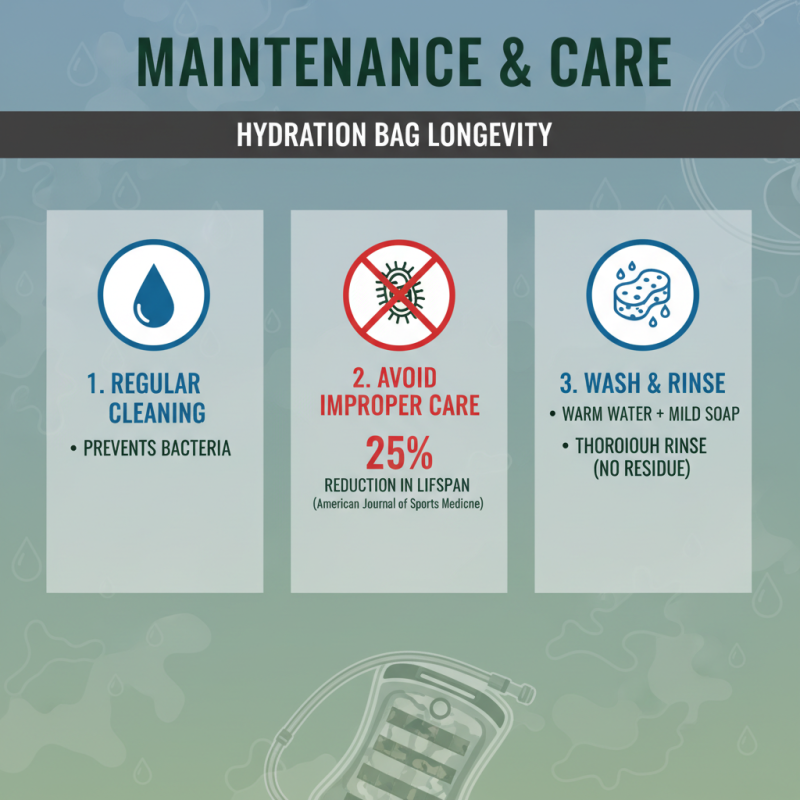
While aesthetics matter, practicality trumps appearance for military bags. Heavy-duty zippers and reinforced corners contribute to reliability. However, improper care can lead to early wear. Be aware of excessive exposure to sunlight or extreme temperatures. Consider these factors to prolong the bag’s functionality over time.
Hydration Bags Material Durability Rating
This chart displays the durability ratings of different materials commonly used in military hydration bags. A higher rating indicates better durability, which is crucial for outdoor use in harsh conditions.
Sizing and Capacity: Finding the Ideal Volume for Your Needs
Choosing the right hydration bag is crucial for outdoor activities. Capacity plays a significant role in this decision. Most hydration bags come in a range of volumes, typically from 1.5 to 3 liters. Consider how long you'll be out and how much water you'll need. A day hike often requires larger containers, while short trips can work with smaller ones.
Remember to account for additional gear. If you carry snacks or a first-aid kit, a bag with extra compartments can enhance your experience. A light load can feel liberating, but weighing down your hike with unnecessary items can lead to fatigue. Reflect on your previous outings. Did you run out of water? Were you overwhelmed by an awkward fit? Adjust your requirements based on past experiences.
Finding the perfect balance can be a challenge. Aim for a hydration bag that suits your lifestyle and preferences. Think about your ideal hydration flow and accessibility. Checking features like hose length and bite valve design can make a big difference. Each trip offers lessons learned. Strive for improvement on your next adventure.



 Hunting And Shooting Bag LSH
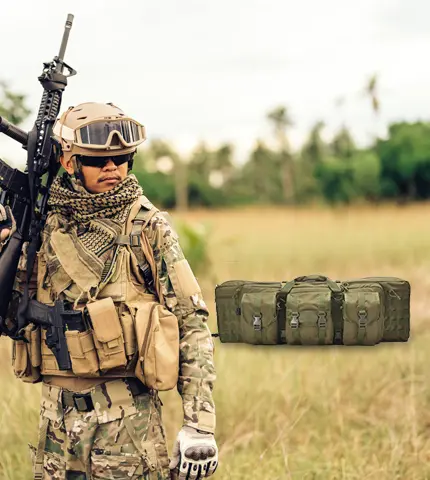 Tactical Military Bag & Vest LST
 Archery Bag LSC
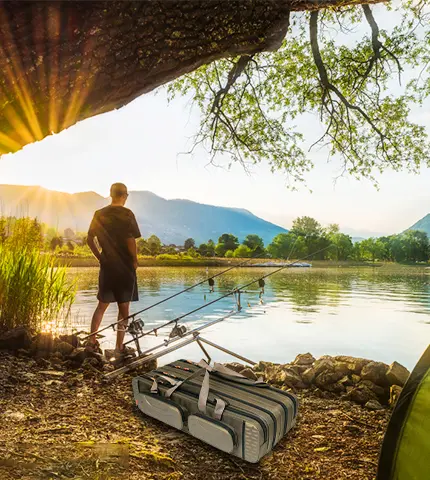 Fishing Bag LSF
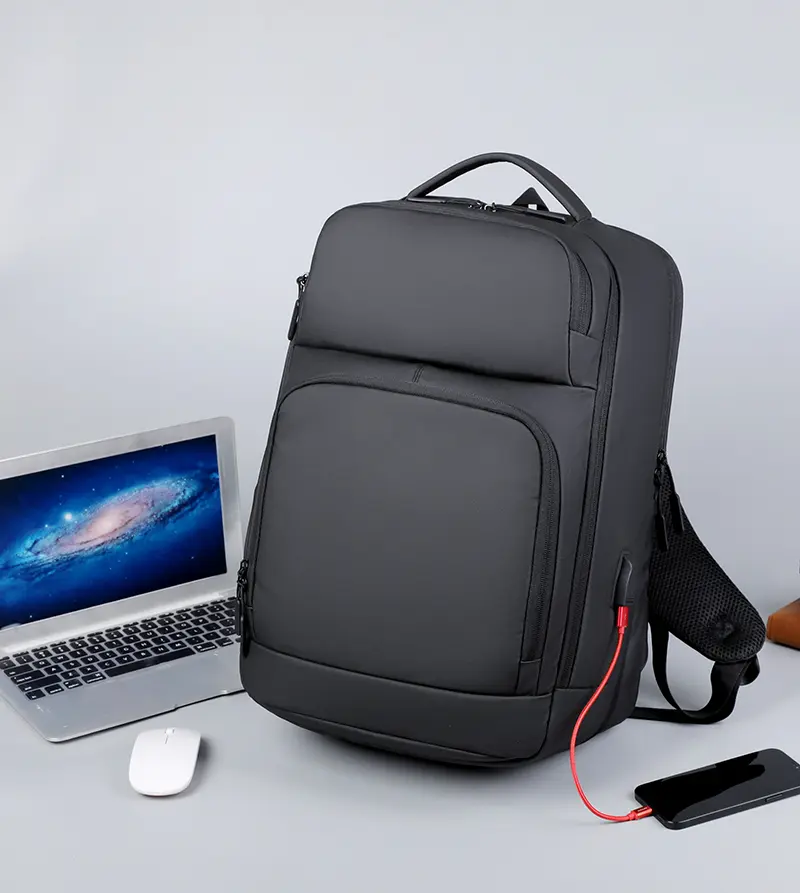 Others LSB