Leave Your Message

What Is a Waterfowl Hunting Bag?

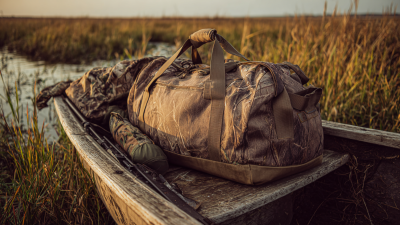
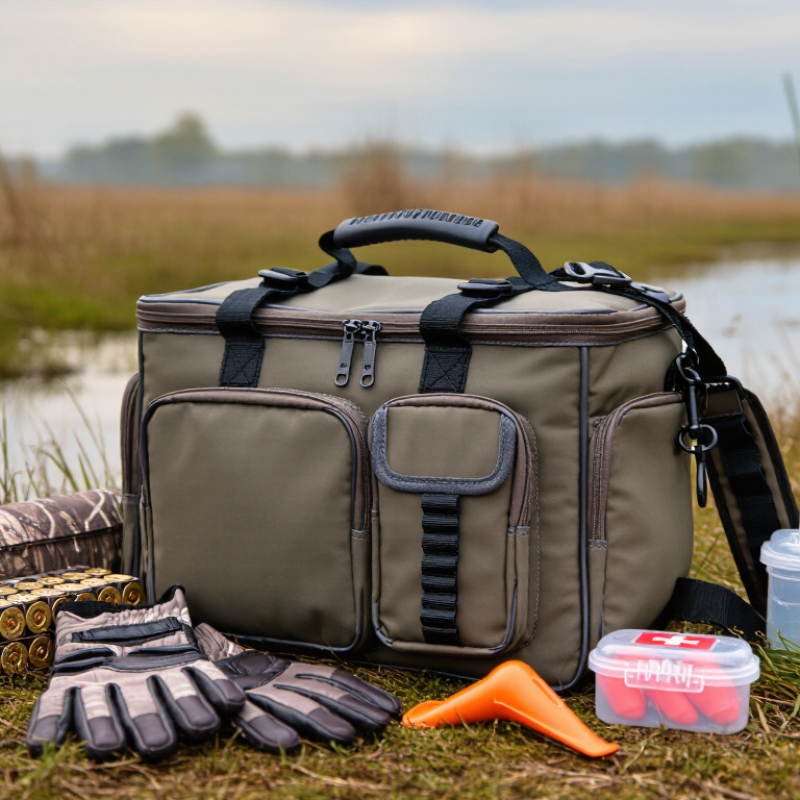
A Waterfowl Hunting Bag is a purpose-built pack for carrying essential field equipment during waterfowl hunting. It may hold calls, gloves, shells, licenses, snacks, first-aid supplies, and other small necessities. Some designs also provide space for legally harvested birds, while others focus only on personal gear. The right choice depends on the terrain, weather, distance, and local regulations.

A practical bag should resist rain, mud, and rough vegetation. Strong stitching matters. Quiet fabric can reduce unnecessary noise near wetlands. Comfortable shoulder straps help during long walks across flooded fields or shallow water. External pockets keep frequently used items within reach, but excessive pockets can create clutter. That detail is easy to overlook.

I have found that the best bag is not always the largest one. An overloaded pack becomes tiring and difficult to organize. A compact, waterproof design may work better for a short morning trip. Longer outings may require added room for dry clothing, food, water, and emergency equipment. Every item should have a clear purpose.

Safety and responsibility remain central. Hunters should check current seasons, licensing rules, bag limits, access requirements, and approved equipment in their area. Regulations can change between regions and seasons. A reliable bag should never encourage carrying prohibited items or exceeding legal limits. It should support careful preparation, ethical conduct, and respect for wetlands and wildlife. Even experienced people make packing mistakes, so reviewing the bag before departure is worthwhile.
What Is a Waterfowl Hunting Bag?

Definition and Purpose of a Waterfowl Hunting Bag

What Is a Waterfowl Hunting Bag?

Definition and Purpose of a Waterfowl Hunting Bag

A waterfowl hunting bag is a purpose-built carrier for legally harvested ducks or geese. It supports cleaner, safer handling during walks, wading, or boat travel. Unlike a casual backpack, it should protect feathers, reduce dirt contact, and allow air to circulate. Its main purpose is simple: transporting birds without unnecessary damage or contamination.

Useful features may include a washable lining, drainage panels, wide shoulder straps, and secure pockets. These pockets can hold licenses, gloves, field notes, or a phone. The bag is not a substitute for knowing local bag limits. Those limits vary by jurisdiction, species, season, and permit conditions. Hunters should check current official regulations before entering the field.

Conditions change quickly. A wet bag becomes heavy fast. Narrow straps can press painfully against the shoulder, while loose seams may catch on reeds. Good practice includes cooling birds promptly, avoiding unnecessary crushing, and cleaning the bag after every outing. The carrier should not interfere with safe firearm handling. It also needs a reliable closure, especially during uneven walks or boat travel. No design is perfect. Open mesh may improve ventilation, but it can expose contents and snag easily. The most useful bag fits the lawful harvest, local terrain, and the hunter’s actual carrying routine.
Essential Features and Materials

What Is a Waterfowl Hunting Bag?
Essential Features and Materials

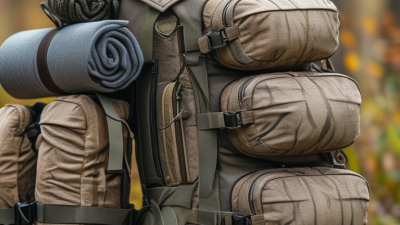
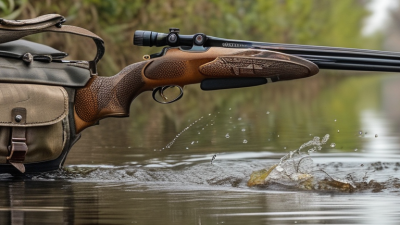
A waterfowl hunting bag carries shells, calls, gloves, snacks, and wet-weather essentials. It must remain accessible without becoming bulky. The U.S. Fish and Wildlife Service reported about 2.4 million migratory bird hunters in its 2022 National Survey. That figure reflects demanding field use across marshes, rivers, and agricultural wetlands. A suitable bag needs quiet access, stable weight distribution, and dependable weather protection.

Material choice matters. Coated nylon offers a strong balance between abrasion resistance and weight. Polyester can perform well, especially when tightly woven and treated against moisture. Recycled fibers may reduce dependence on virgin materials, but their performance still depends on construction and coatings. Textile Exchange’s Materials Market Report 2024 estimated global fiber production reached 124 million tonnes in 2023. Polyester represented about 59% of that volume. Numbers like these encourage more careful material decisions.

Look for sealed or protected seams, corrosion-resistant hardware, and a wide opening. Drainage holes can prevent standing water after a muddy crossing. Padded dividers protect optics and electronic devices from hard shell boxes. A low-profile design reduces snagging on reeds. It should also remain comfortable after several hours. Small details matter.

No bag is perfect. My practical concern is often overlooked: highly waterproof coatings can reduce breathability and complicate repair. A bag that survives rain but fails at the zipper is not truly reliable. The best choice balances field durability, responsible materials, carrying comfort, and simple maintenance.

Types of Waterfowl Hunting Bags

What Is a Waterfowl Hunting Bag?

A waterfowl hunting bag is a field carrier for shells, calls, licenses, gloves, snacks, and small tools. It is not the same as a harvest limit. That distinction matters. A good bag keeps essential gear dry, organized, and within reach during cold, wet hunts.

Types of Waterfowl Hunting Bags

Blind bags are compact and structured. They work well beside a layout blind or boat seat. Backpack-style bags spread weight across both shoulders, helping during long walks through mud or shallow water. Floating bags add safety for gear near ponds, although they should not replace a personal flotation device. Shell bags offer fast access to ammunition during legal shooting hours. Decoy bags are larger and ventilated, so wet decoys can be carried without trapping excessive moisture.

The U.S. Fish and Wildlife Service’s 2022 National Survey reported roughly 2.4 million migratory-bird hunters in the United States. That participation level shows why practical equipment design matters. The same survey also recorded billions of dollars in hunting-related spending, including travel and equipment. A waterfowl bag should match the hunt, not simply look rugged. Wide openings help with gloved hands. Drainage panels reduce standing water. Padded straps improve comfort, but excessive padding can add weight. Small details matter.

A useful field test is simple. Load the bag before dawn, then walk several hundred meters. Check balance, noise, and access. No bag is perfect. Oversized models may carry more, yet encourage unnecessary gear. Weatherproof fabric helps, but zippers can still fail. Regular inspection remains essential. Always follow current local regulations and approved safety practices.

What Is a Waterfowl Hunting Bag? - Types of Waterfowl Hunting Bags

Bag Type Typical Capacity Primary Purpose Common Features Best Use Main Limitation
Blind Bag Approximately 20–40 L Carry ammunition, calls, snacks, water, licenses, and other personal equipment to and from a hunting blind. Multiple compartments, water-resistant fabric, padded shoulder strap, grab handles, and quick-access pockets. Stationary hunts from layout blinds, pit blinds, boat blinds, or fixed shoreline positions. Can become bulky when fully loaded and is not designed primarily for carrying harvested birds.
Backpack Hunting Bag Approximately 25–50 L Distribute hunting gear across both shoulders during longer walks through marshes, fields, or wooded shorelines. Padded shoulder straps, adjustable sternum or waist straps, several storage compartments, and a reinforced bottom. Mobile hunts where hunters need to carry equipment over moderate distances. Less convenient to access while seated and may interfere with a shotgun mount if poorly fitted.
Waterproof or Floating Gear Bag Approximately 20–60 L Protect clothing, electronics, food, and other supplies from spray, rain, and accidental immersion. Water-resistant or waterproof closure, sealed seams on some models, buoyant construction in selected designs, and durable handles. Boat hunts, wet marshes, heavy rain, and situations where equipment may be exposed to water. Waterproof construction can increase weight, cost, and packing stiffness; not every model remains buoyant when full.
Wader or Waist Pack Approximately 5–15 L Keep essential items within easy reach while leaving the upper body and shoulders relatively free. Waist belt, compact pockets, water-resistant materials, shell loops, and attachment points for calls or tools. Shallow-water wading, streamlined setups, and short hunts requiring only essential equipment. Limited capacity and reduced stability when heavily loaded.
Game Bag Varies by design; commonly sized for several birds Transport legally harvested waterfowl after retrieval while allowing airflow and keeping birds separated from personal gear. Ventilated mesh or breathable panels, washable lining, durable straps, and a wide opening. Carrying harvested ducks or geese from the field, water, or blind to a vehicle or cleaning area. Usually has limited organization for ammunition and personal accessories; must be cleaned and dried after use.
Decoy Bag Approximately 50–150 L Transport and organize decoys, motion components, weights, and anchor lines. Large main compartment, reinforced base, shoulder straps or handles, drain openings, and dividers in some designs. Transporting a spread from a vehicle or boat to the setup location. Too large and specialized for everyday personal gear; decoys and weights can make it very heavy.
Shell or Ammunition Bag Approximately 10–25 L Provide fast access to shotgun shells, calls, choke tubes, and small field accessories. Shell loops, divided compartments, belt or shoulder carry options, and weather-resistant closures. Organized ammunition storage during blind hunts or when a larger bag is unnecessary. Small capacity and little room for clothing, food, water, or other bulky equipment.
Boat or Marsh Utility Bag Approximately 30–80 L Store a mixed load of clothing layers, food, safety equipment, ammunition, and field accessories in wet environments. Wide opening, durable abrasion-resistant fabric, drainage capability, reinforced carrying points, and water-resistant compartments. Boat-based hunting and demanding marsh conditions where gear may be exposed to mud and water. Often heavier than a standard blind bag and may require additional internal organization.

How Hunters Use and Organize the Bag

What Is a Waterfowl Hunting Bag?

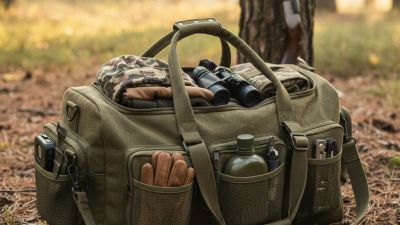
A waterfowl hunting bag is more than a place to store equipment. It keeps essential items dry, reachable, and organized during long hours near water. Experienced hunters usually divide the bag into clear sections. One section holds permits, identification, a phone, and a small field notebook. Another protects gloves, spare socks, snacks, and drinking water. A waterproof pouch keeps matches and electronic devices away from rain. Keep it simple.

The bag should match the day’s conditions. On a cold morning, I place hand warmers and an extra hat near the top. In shallow marshes, waterproof storage becomes especially important. A first-aid kit belongs in an outside pocket, not buried under loose gear. Hunters also check local rules before leaving home. Required documents, equipment limits, access permissions, and retrieval requirements can vary by location. Responsible preparation protects the hunter, wildlife, and other people nearby.

Weight balance matters more than appearance. Heavy items should sit close to the back, while frequently used tools stay easy to reach. I once packed too many “useful” items and spent the morning carrying unnecessary weight. That mistake changed my system. Now I review the forecast, map, and expected walking distance before packing. The bag still changes from trip to trip. Good organization is not perfect; it is practical, careful, and open to improvement.

What Is a Waterfowl Hunting Bag?

A waterfowl hunting bag keeps essential equipment organized by function, making it easier to access calls, ammunition, safety gear, and harvested birds in wet field conditions.

This illustrative field loadout shows the typical number of items organized in each category. Actual contents depend on the hunting location, weather, local regulations, and the hunter’s method.

Selection, Care, and Legal Considerations

What Is a Waterfowl Hunting Bag?

A waterfowl hunting bag is more than a container for harvested birds. It must protect meat, feathers, and personal gear in wet conditions. Select a durable bag with breathable panels, reinforced stitching, and wide shoulder support. A washable liner helps separate birds from gloves, calls, and ammunition. Bright identification details can also prevent confusion in crowded field areas. Avoid oversized designs that collect mud and become difficult to carry.

Care begins immediately after the hunt. Keep harvested birds cool, shaded, and protected from standing water. Empty the bag promptly, then remove feathers, mud, and plant debris. Wash it with mild soap and let it dry completely before storage. Damp fabric can develop a strong odor and hidden mold. Inspect seams and straps regularly. I once underestimated how quickly wet gear becomes heavy. That mistake still influences my choices.

Tips:

Check the bag before leaving home. Confirm local seasons, species limits, tagging rules, and possession requirements through official wildlife authorities. Regulations may differ between nearby regions. Some areas require non-toxic shot or restrict hunting locations and transport methods. Follow every applicable rule, including land-access permissions and reporting deadlines. Keep licenses and required documents accessible, not buried beneath wet equipment. When uncertain, pause and ask the relevant authority. Guessing is not a reliable strategy.