Leave Your Message

Why Choose a Hunting Sleeping Bag?

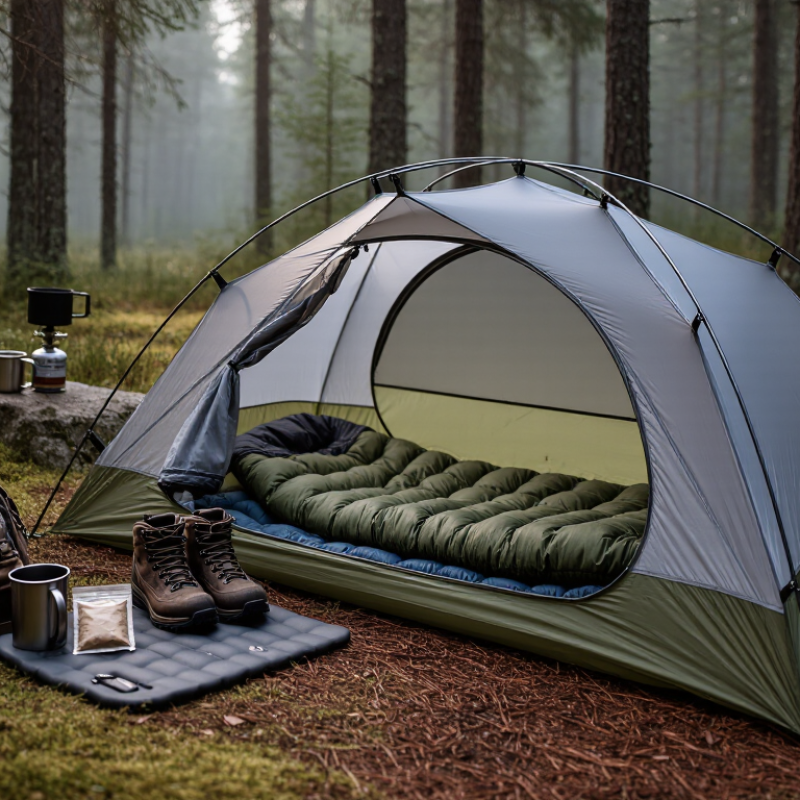
Choosing a Hunting Sleeping Bag is less about buying the warmest-looking option and more about matching insulation, fit, and packed size to real conditions. A cold dawn can turn a damp tent floor and a thin sleep mat into a miserable night. Small details matter. For hunters carrying gear over uneven ground, weight and packability can matter as much as warmth.

The Outdoor Industry Association’s 2024 Outdoor Participation Trends Report estimates that 175.8 million Americans took part in outdoor recreation in 2023. That figure reflects broad participation, not hunting-specific demand, but it shows how many people rely on equipment suited to time outdoors. A sleeping bag designed for backcountry use can offer practical features such as durable shell fabric, a close-fitting hood, and insulation suited to a stated temperature range. These features are useful only when they match the trip.

Temperature ratings deserve careful attention. ISO 23537-1 provides a standardized method for assessing sleeping-bag thermal performance, giving shoppers a more consistent reference than marketing language alone. Still, a laboratory rating cannot predict every sleeper’s comfort. Personal metabolism, clothing, humidity, and the insulating pad beneath the bag all affect warmth. That is easy to overlook. A bag rated for a cold night may feel inadequate when it is damp, compressed, or paired with poor ground insulation. Choosing thoughtfully means checking the rating, packed dimensions, materials, and care instructions before heading out.
Why Choose a Hunting Sleeping Bag?

What Defines a Hunting Sleeping Bag?

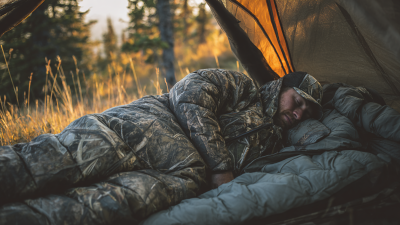
A hunting sleeping bag is not simply a warmer camping bag. It is built for long, quiet nights near damp ground, where a cold zipper or noisy shell can matter. “Hunting sleeping bag” is not a universal technical category, so compare measurable features rather than relying on the label. Look for insulation suited to expected temperatures, a hood that seals around the head, and a draft tube behind the zipper. A durable, low-rustle outer fabric is useful when shifting position. Small details count.

Temperature ratings need careful reading. ISO 23537-1:2022 sets thermal-testing and labeling requirements for adult sleeping bags; standardized tests use a thermal manikin to determine comfort, limit, and extreme ratings. The extreme figure is not a sensible target for a comfortable night. Ratings also cannot account for every sleeper, ground mat, or damp clothing. That part is easy to overlook. A bag’s warmth depends on the full sleep system, especially insulation beneath the body, which compresses under weight. Check the rating method, fit, packed size, and care instructions. For a cold, wet field camp, a slightly roomier cut may help with layering, but excess space can feel chilly. There is no perfect setup. ISO 23537-1:2022, Requirements for sleeping bags—Part 1: Thermal and dimensional requirements.
Why Choose a Hunting Sleeping Bag?

A hunting sleeping bag is chosen for the conditions you expect in the field. Temperature rating is one practical place to start.

How to read this: These are example temperature ratings, not fixed definitions of bag categories. A lower rating indicates a bag designed for colder conditions. Ratings vary by model and test method, so check the comfort rating and consider your sleep system, weather, and personal comfort. Hunting bags may also be selected for durable, quiet materials and packability.

How Hunting Conditions Shape Sleeping Bag Requirements

Why Choose a Hunting Sleeping Bag?

How Hunting Conditions Shape Sleeping Bag Requirements

A hunting trip can mean a cold, damp night followed by a long wait before dawn. Your sleeping bag needs to match the conditions, not just the season printed on a calendar. Check expected overnight lows, wind exposure, and whether your shelter may trap moisture. A temperature rating is a starting point, not a promise. Small details matter.

Cold ground can drain warmth even when the bag is well insulated. Pair it with a sleeping pad suited to the terrain, especially on frozen or rocky ground. If rain or wet brush is likely, consider a bag with a durable water-resistant shell, and keep spare dry clothing sealed away. Down insulation packs small but can lose warmth when damp; synthetic insulation often tolerates moisture better, though it may take up more space.

Fit also affects warmth and comfort. Extra room can let cold air circulate, while a cramped bag may compress insulation around your shoulders and feet. Consider how much you move at night and whether you need space for layers. I would not choose the warmest, bulkiest option by default; carrying it all day changes the calculation. It is easy to overestimate warmth while reading gear specifications from a warm room. Check the forecast again, and think honestly about how exposed your sleeping spot will be.

How Insulation and Temperature Ratings Affect Comfort

Insulation determines how well a sleeping bag slows heat loss, but the warmest-looking bag is not always the most comfortable choice. Down insulation packs small and offers strong warmth for its weight, yet dampness can reduce its performance. Synthetic insulation usually handles moisture better and dries more easily, though it can feel bulkier. On a hunting trip, consider expected weather, pack space, and how much moisture your clothing may carry into camp.

Temperature ratings are useful starting points, not promises of a warm night. Some ratings describe a comfort range, while others indicate a lower survival-oriented limit. Check which standard and rating type the manufacturer uses. Then allow for your own sleep habits: cold sleepers may need more margin, while a warm sleeper might find the same bag stuffy. Ratings also assume suitable layers and a sleeping pad. Cold finds gaps.

Fit matters, too. A bag with excess space may leave more air for your body to warm, while a cramped fit can compress insulation around the shoulders or feet. Try moving in the bag with the layers you expect to wear. Small details matter. I would not treat a rating as exact; wind, fatigue, damp socks, and a thin pad can change the night considerably. Choose insulation and a temperature range for the conditions you expect, with room for weather to turn colder.

Why Durability, Weight, and Packability Matter

A hunting sleeping bag earns its place when the shell handles repeated trips through brush, damp ground, and hurried camp setup. A snagged outer fabric or tired zipper can matter more than a few grams saved. ASTM D3884 describes a standardized method for testing textile abrasion resistance; it helps compare fabric wear, though it cannot predict a bag’s exact lifespan. Check stitching, zipper guards, and fabric feel, not just advertised toughness. Small details matter. A rugged bag can still fail at the seams.

Weight and packability shape how easily you move between camp and a glassing spot. ISO 23537-1:2022 sets requirements and test methods for sleeping-bag thermal performance, including comfort and limit temperature ratings. Those ratings help compare warmth, but they do not tell you how bulky a bag feels inside your pack. Look at packed dimensions and total weight alongside temperature performance. A compressible bag frees room for water, food, and spare layers. Yet aggressive compression may stress insulation over time, and a tiny stuff sack can be frustrating with cold fingers. There is a trade-off. Choose a bag that fits your route, expected conditions, and packing habits; the lightest option is not automatically the most dependable.

How to Match a Sleeping Bag to Your Hunting Trip

Why Choose a Hunting Sleeping Bag?

How to Match a Sleeping Bag to Your Hunting Trip

Start with the coldest conditions you realistically expect, not the average forecast. Check overnight lows, wind exposure, and whether you will sleep in a tent, shelter, or open bivy. A bag’s comfort rating is a useful guide, but personal warmth, clothing, and a sleeping pad all affect how warm you feel. Cold nights matter.

Match the insulation to the trip. Down usually packs smaller and weighs less, while synthetic fill can be more forgiving when damp. If rain, snow, or wet ground is likely, consider how you will keep the bag dry, including during transport. A waterproof stuff sack helps, but it does not replace careful camp setup. Extra warmth also means extra bulk, which matters on long walks.

Check the bag’s shape and practical details before choosing. A roomy cut can make it easier to change layers, while a closer fit may hold warmth better. Look at zipper placement, hood adjustment, and whether the footbox leaves enough space for dry socks. I would test the bag at home with the pad and clothing planned for the hunt; guessing from a product label alone is not ideal. Test it at home. A small fit issue can feel much larger after a damp, tiring day outdoors.

Why Choose a Hunting Sleeping Bag? - How to Match a Sleeping Bag to Your Hunting Trip
Hunting Trip Typical Overnight Low Suggested Comfort Rating Insulation to Consider Useful Design Features Why This Match Works
Early-season, low-elevation hunt 40–55°F (4–13°C) 30–40°F (-1–4°C) Lightweight down or synthetic insulation Two-way zipper, breathable shell, compact packed size A lighter bag is easier to carry on warm-weather trips while providing a modest temperature buffer for cooler nights.
Cool autumn backpack hunt 20–40°F (-7–4°C) 10–20°F (-12 to -7°C) Down for dry conditions; synthetic for damp conditions Mummy shape, insulated hood, draft tube along the zipper A close-fitting shape and draft protection help reduce heat loss without adding unnecessary bulk.
Late-season hunt in cold weather 0–20°F (-18 to -7°C) -10–0°F (-23 to -18°C) High-loft down or substantial synthetic insulation Draft collar, adjustable hood, full-length insulated zipper baffle Extra insulation and seals around openings help limit heat loss during prolonged exposure to low temperatures.
Wet or coastal hunting area 30–45°F (-1–7°C) 15–30°F (-9 to -1°C) Synthetic insulation or water-resistant down Water-resistant outer fabric, durable zipper, stuff sack or dry-bag storage Synthetic insulation generally retains more insulating ability when damp, while protected storage helps keep the bag dry.
High-elevation hunt with variable weather 10–30°F (-12 to -1°C) 0–10°F (-18 to -12°C) Down for a lighter pack when it can be kept dry; synthetic for greater moisture tolerance Warm hood, draft collar, durable shell, room for suitable sleep clothing Mountain temperatures can change quickly, so a warm bag and protection from moisture are important for comfort and reliability.
Vehicle-based hunt with a fixed camp Varies by forecast and season Choose a comfort rating below the expected overnight low Either type; prioritize warmth and durability over minimum packed weight Roomier cut, sturdy shell, easy-to-use zipper When pack weight is less important, a roomier, durable bag may be more practical for repeated use at camp.
Selection note: Temperature ratings are not identical across all sleeping bags. When available, compare standardized comfort ratings, and choose a rating below the expected overnight low. Actual warmth also depends on the sleeping pad, fit, clothing, fatigue, nutrition, and individual cold sensitivity. A sleeping bag is not a substitute for shelter or appropriate cold-weather safety planning.