- Home
- About Us
- Products
- FAQ
- News
- Contact Us
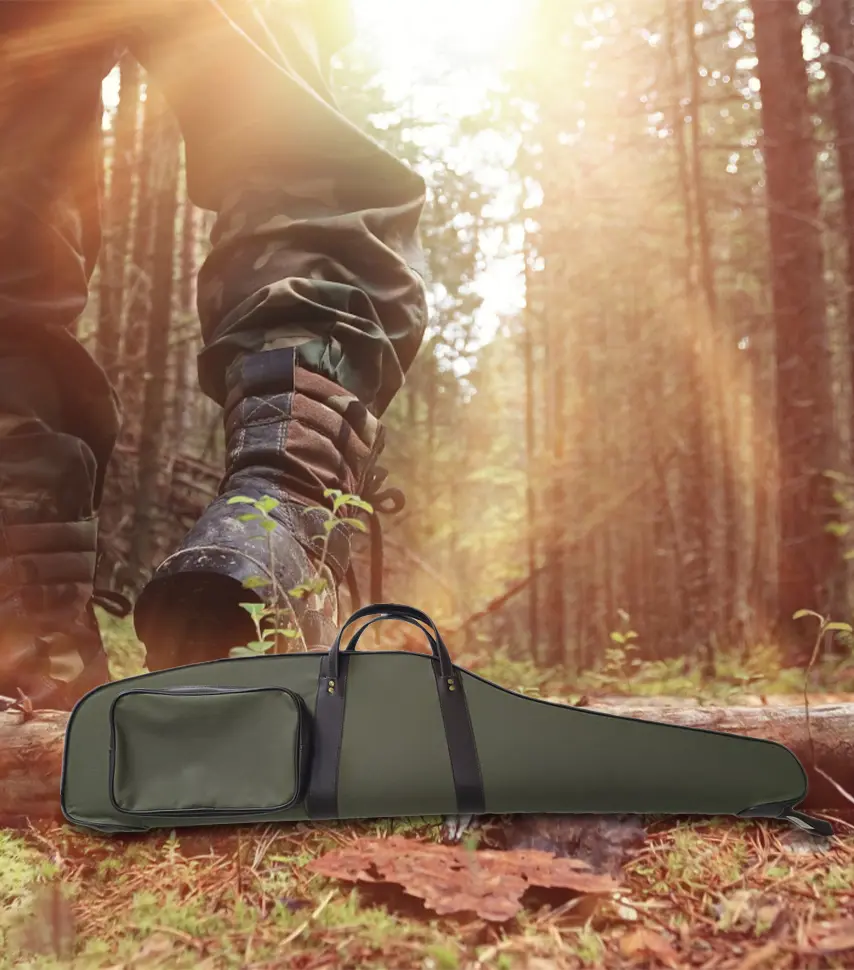 Hunting And Shooting Bag LSH
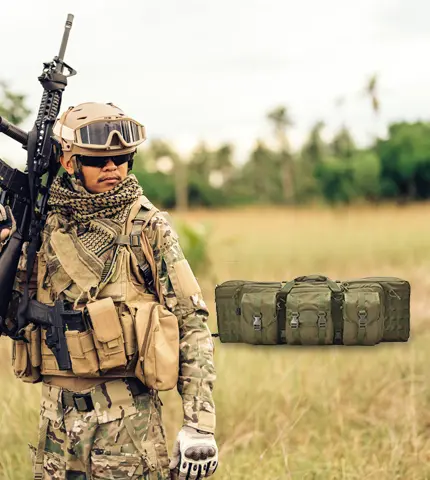 Tactical Military Bag & Vest LST
 Archery Bag LSC
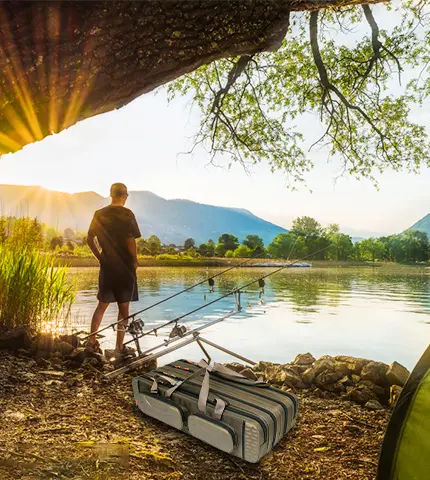 Fishing Bag LSF
 Others LSB
Want to start with us? Contact us
Leave Your Message
- Phone
- E-mail
- WhatsApp

- WeChat

Choosing the best China-made hunting travel bags requires more than comparing prices and product photos. A reliable bag should protect equipment during transport, resist sudden rain, and remain comfortable after hours outdoors. China’s manufacturing sector offers many practical designs, from compact daypacks to large duffel-style carriers. However, quality differs between factories, materials, and inspection standards.
In this guide, we examine Hunting Travel Bags through real-use details. We consider fabric strength, zipper performance, stitching, padding, ventilation, and internal organization. A useful pack should hold clothing, food, maps, first-aid supplies, and other lawful outdoor essentials without becoming awkwardly heavy. Waterproof coatings can help, but they do not replace careful packing or proper storage. Small features matter. A quiet zipper, reinforced handle, or adjustable waist belt may become valuable during a long walk.
The “best” choice depends on your route, climate, trip length, and personal carrying habits. There is no universal winner. A bag that performs well in dry northern conditions may feel excessive in humid southern weather. Some impressive-looking products may disappoint after repeated use. I would also question overly confident supplier claims without material samples, factory records, and independent testing. Responsible buyers should confirm product specifications, safety expectations, and applicable transport rules before purchasing. This article offers a practical comparison, not a final verdict. You may notice trade-offs. That is normal. A durable bag can be heavier, while a lighter design may sacrifice structure.
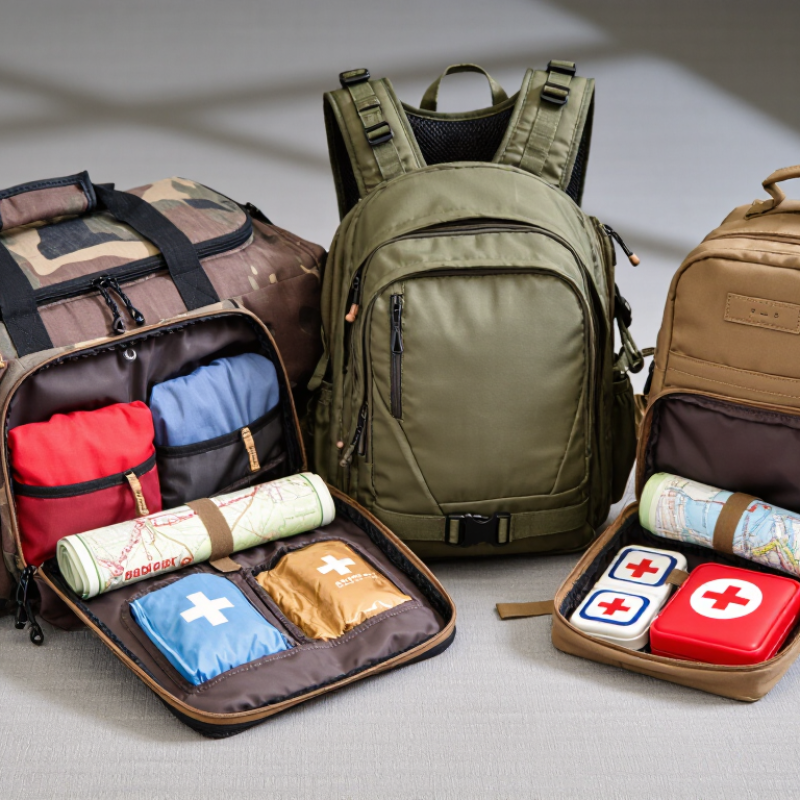
China-made hunting travel bags are purpose-built carriers for organized outdoor trips, not ordinary luggage. They combine clothing storage, equipment protection, and comfortable transport across uneven ground. Manufacturing in China usually means cutting, sewing, coating, and final assembly occur there. It does not automatically describe the bag’s design origin or quality.
Demand is supported by wider outdoor participation. The U.S. Fish and Wildlife Service reported 14.4 million American hunters in its 2022 National Survey. The same report recorded about 45.2 billion dollars in hunting-related spending. The U.S. Bureau of Economic Analysis also valued the 2023 outdoor recreation economy at 639.5 billion dollars. These figures show why travel storage needs practical testing. They do not prove every bag is suitable.
A reliable model should use abrasion-resistant fabric, reinforced handles, and protected zippers. Water resistance matters, but a rain test alone is not enough. Seams may still leak. A 40–70 liter main compartment can hold layered clothing, footwear, and field accessories without becoming awkward. Compression straps should stop shifting, while padded shoulder straps reduce pressure during long walks. Look for clear material specifications, load testing, and inspection records. ISO 811 can help assess fabric water resistance, although it does not measure overall durability. In my view, the best China-made hunting travel bag is the one that remains stable when wet, heavy, and repeatedly opened. Some products still overstate their capacity. That deserves scrutiny.
| Evaluation Dimension | Typical Specification or Definition | Why It Matters for Hunting Travel | Recommended Selection Standard |
|---|---|---|---|
| Product Definition | A hunting travel bag is a purpose-designed carry solution for transporting clothing, optics, field equipment, ammunition containers, personal items, and other outdoor gear. | It combines the organization of a travel bag with the durability and weather resistance required for outdoor environments. | Choose a design that matches the trip length, equipment list, transportation method, and local hunting regulations. |
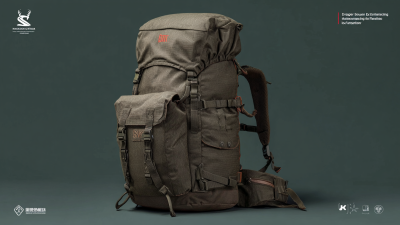
| Common Bag Types | Duffel bags, backpacks, rifle cases, bow cases, dry bags, waist packs, and modular equipment bags. | Different formats support different loads, from daily field essentials to large amounts of equipment carried during extended travel. | Use a backpack for mobility, a duffel for high-volume transport, and a dedicated hard or padded case for firearms or bows. |
| Typical Capacity | Day packs commonly range from 15 to 35 liters; multi-day packs often range from 35 to 70 liters; large duffels may exceed 70 liters. | Capacity determines whether clothing, food, hydration equipment, optics, and safety gear can be carried without excessive compression. | Select enough capacity for the planned load while avoiding unnecessary bulk that can restrict movement. |
| Primary Materials | Common materials include polyester, nylon, ripstop fabric, coated textiles, mesh, webbing, and reinforced synthetic panels. | Material choice affects abrasion resistance, weight, drying speed, tear resistance, and overall service life. | Look for tightly woven fabric, reinforced stress points, reliable stitching, and material specifications that clearly state composition and coating. |
| Water Resistance | Many outdoor bags use water-resistant fabric, polyurethane or similar coatings, water-resistant zippers, storm flaps, or a removable rain cover. | Protection from rain, snow, wet vegetation, and damp ground helps keep clothing and sensitive equipment usable. | Distinguish between water-resistant construction and a fully waterproof dry-bag design; use an internal liner for critical electronics and documents. |
| Load-Carrying System | Typical features include padded shoulder straps, sternum straps, waist belts, adjustable back panels, grab handles, and reinforced carry points. | A balanced carrying system reduces pressure on the shoulders and improves comfort during long walks over uneven terrain. | Check strap adjustment range, padding thickness, stitching quality, and whether the harness suits the intended load. |
| Equipment Protection | Protective features may include padded compartments, foam dividers, compression straps, closed-cell padding, and reinforced base panels. | Padding helps reduce impact and movement damage to optics, cameras, communication devices, and other fragile equipment. | Choose removable or adjustable dividers so the interior can be configured for different equipment sizes. |
| Internal Organization | Useful organization features include dedicated hydration sleeves, document pockets, accessory compartments, mesh pockets, and key clips. | Organized storage allows quick access to navigation tools, first-aid supplies, licenses, food, and field accessories. | Prioritize clearly separated compartments without adding excessive empty weight or unnecessary complexity. |
| External Attachment Points | MOLLE-compatible webbing, daisy chains, compression straps, gear loops, and side pockets are commonly used for external storage. | External attachment points allow users to carry trekking poles, tripods, water bottles, rainwear, or other bulky items. | Confirm that attachment points are securely stitched and positioned where they will not interfere with movement. |
| Durability Features | Important details include bartack reinforcement, double stitching, abrasion-resistant panels, heavy-duty zippers, and reinforced bottoms. | Hunting environments may expose bags to rocks, branches, mud, repeated loading, and rough vehicle transport. | Inspect high-stress areas such as shoulder-strap anchors, handles, corners, zipper ends, and the lower base. |
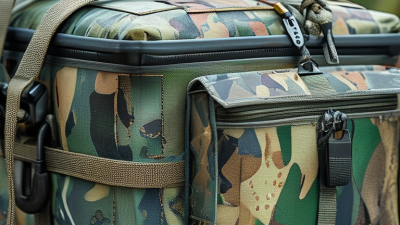
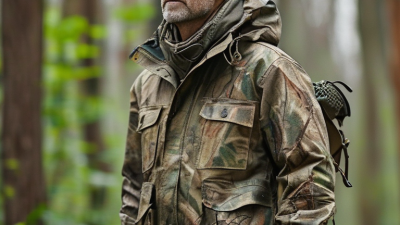
| Camouflage and Visibility | Available appearance options may include woodland-style camouflage, earth tones, solid dark colors, and high-visibility safety panels. | Muted colors can reduce visual contrast in natural surroundings, while safety colors can improve visibility where required by local rules. | Choose appearance based on the hunting environment and always follow applicable safety and visibility regulations. |
| Weight Consideration | A practical hunting travel bag should balance lightweight construction with sufficient padding, reinforcement, and load support. | An unnecessarily heavy bag increases fatigue before equipment is added. | Compare empty weight, usable capacity, harness design, and maximum recommended load rather than selecting solely by low weight. |
| Travel Compatibility | Travel-oriented designs may include lockable zipper pulls, luggage pass-through sleeves, compression straps, ID windows, and protective covers. | These features make the bag easier to handle in vehicles, airports, lodges, and storage areas. | For regulated equipment, use an appropriate dedicated case and comply with carrier, airline, and local transport requirements. |
| Manufacturing Quality Indicators | Relevant indicators include consistent stitching, accurate dimensions, smooth zipper operation, clean edge finishing, material traceability, and documented inspections. | Quality control reduces the risk of seam failure, broken hardware, inaccurate sizing, and inconsistent performance between production batches. | Request product samples, measurement tolerances, material information, inspection records, and performance test results before large-volume purchasing. |
| Best Overall Use | The most versatile option is generally a weather-resistant, padded, adjustable bag with modular storage and reinforced contact points. | This configuration can support travel, field access, day trips, and equipment organization without relying on a single specialized function. | Match the final design to terrain, climate, trip duration, equipment weight, and the required level of protection. |
Note: Specifications vary by bag type, construction method, materials, and intended use. Always verify actual product measurements, load limits, water-resistance claims, and transport requirements before purchase or field use.