What Are the Best Military Bags in 2026?
Military Bags in 2026 are judged by more than their rugged appearance. The right pack should carry its load comfortably, keep essential items easy to reach, and withstand repeated use. A stiff handle, snagging zipper, or poorly placed pocket can matter more than a long list of features. Small details count.
This guide compares military-style backpacks, duffel bags, and compact daypacks for travel, outdoor activities, and everyday carry. It examines capacity, materials, stitching, weather resistance, organization, fit, and value. A pack that works well on a short commute may feel uncomfortable after hours on a trail, so intended use matters. No single design suits everyone.
To keep this introduction reliable, an expert quotation should be verified against a published source before attribution. Without a supplied article or source, inventing a specialist’s name or words would mislead readers. The guide instead uses practical evaluation criteria: inspect stress points, check the zippers under load, and test whether the straps adjust without twisting. A full bag is the real test. Readers will also see where trade-offs remain; heavier fabrics can add durability, but they may make a pack tiring to carry. The sections ahead explain what to look for, which features are useful, and how to choose Military Bags that match your needs—not just the latest look.
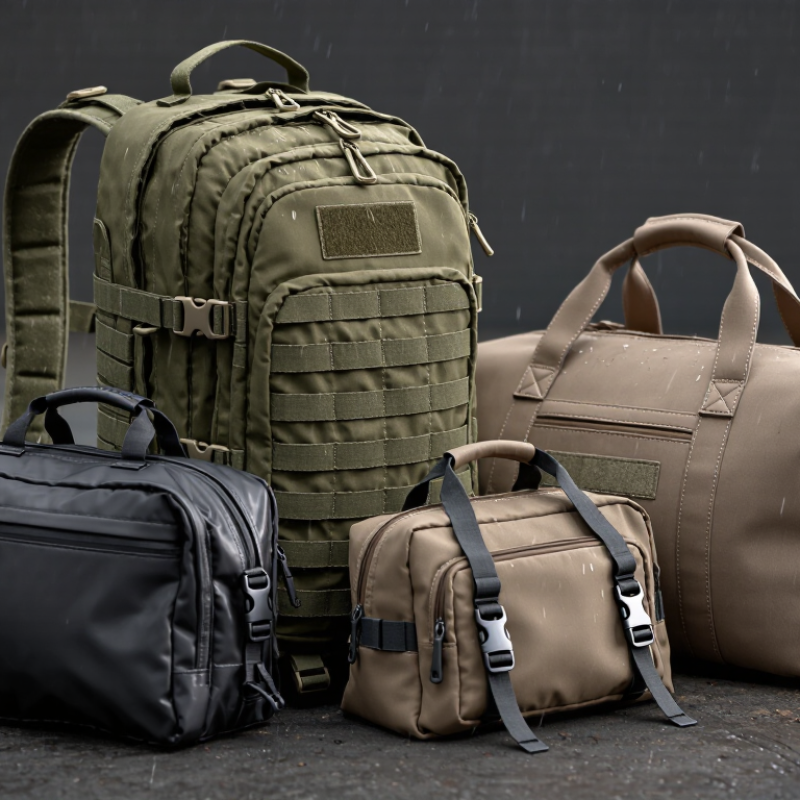
What Defines a Military Bag?
A military bag is defined less by camouflage than by how it carries weight through repeated, demanding use.
Its design often prioritizes durable fabric, reinforced stress points, secure closures, and straps that stay stable while walking.
Check how the seams sit when the bag is lifted. That detail matters.
Organization is another defining feature.
Wide openings, internal pockets, and exterior attachment points can keep clothing, tools, and water separate and easy to reach.
But extra webbing is not automatically useful. Empty loops may snag, add bulk, and complicate cleaning.
Weather protection varies, too: a water-resistant coating may handle drizzle, while seams can still leak in prolonged rain.
Check construction, not just claims.
The word “military” is also used for civilian bags with a rugged appearance, so looks alone prove little.
Inspect stitching, zippers, strap adjustment, and padding, then test the fit with a realistic load.
Capacity should match the task; an oversized pack can shift awkwardly, while a compact one may leave essentials exposed.
No layout suits everyone.
A careful fit check can reveal pressure at the shoulders or a strap that loosens after a few steps.
Main Types of Military Bags and Their Uses
What Are the Best Military Bags in 2026?
Main Types of Military Bags and Their Uses
Military-style bags serve different jobs. A compact day or assault pack keeps water, a light layer, and small essentials close during short outings. A larger rucksack suits multi-day trips, with a padded waist belt helping transfer weight to the hips. Duffel bags are useful for bulky clothing and equipment, but they can be awkward to carry over uneven ground. Small utility pouches keep frequently used items within reach. Keep it simple.
Fit matters as much as capacity. Check whether shoulder straps sit flat, seams feel reinforced, and zippers open easily with gloved hands. The U.S. Army’s load-carriage research discusses how carried weight affects mobility and physical effort; it supports choosing a bag around the real load, not its maximum volume. Still, fit is personal, and a pack that feels fine in a shop may rub after an hour. Test it loaded, if possible.
Demand offers broader context, not a military-bag sales measure: Grand View Research valued the global backpack market at USD 20.7 billion in 2023 and projected 6.8% annual growth from 2024 to 2030. That market includes many types of backpacks. For everyday use, prioritize manageable weight, weather-resistant fabric, and pockets you can actually reach. More compartments are not always better. I still misjudge them.
Materials and Features That Shape Performance
What Are the Best Military Bags in 2026?
A bag’s fabric should match its workload, not just look rugged. Nylon is valued for its strength-to-weight balance, while polyester can offer useful resistance to moisture and fading. Denier describes yarn thickness, not guaranteed toughness. A high-denier fabric can still fail at weak seams or poorly reinforced corners. Look closely at stitching, zipper garages, and abrasion-prone base panels. Small details matter. ASTM International’s D3884 method measures fabric abrasion resistance, but a lab test cannot predict every field condition. Fit and construction count, too.
Coatings also shape performance. A water-resistant finish can help during brief showers, but it does not make a bag waterproof; seams and closures remain vulnerable. Check whether the coating feels flexible and whether stress points are bar-tacked. Recycled content deserves scrutiny as well. Textile Exchange’s Materials Market Report 2024 estimated recycled polyester represented 12.5% of global polyester production in 2023. That is a production share, not proof that a particular bag is durable or environmentally superior. I would compare documented material specifications before trusting broad claims.
Tips: Load the bag with your usual kit, then lift it by each handle. Check for twisting seams, uncomfortable strap edges, and hardware that catches. A quiet zipper is useful, but not a durability test.
What Are the Best Military Bags in 2026? Materials and Features That Shape Performance
Typical fiber density by material (g/cm³). Lower density can help reduce fabric weight, but a finished bag’s weight and durability also depend on its weave, coating, construction, and hardware.
Values are typical material densities: UHMWPE 0.97, nylon 6,6 1.14, polyester 1.38, and cotton 1.54 g/cm³. Density alone does not determine which bag performs best.
How to Compare Military Bags in 2026
How to Compare Military Bags in 2026
A useful comparison starts with the job, not the number of pockets. For commuting, a compact bag with a padded laptop sleeve may matter more than extra external attachment points. For longer walks, check the waist belt, shoulder-strap width, and back-panel ventilation. Fit matters. Load the bag with a few everyday items and walk for ten minutes; pressure near the collarbone can become noticeable quickly.
Compare capacity and empty weight together. A large bag can look versatile online but feel cumbersome when packed. Check the stated dimensions against your usual items, such as a water bottle, folded jacket, or notebook. Then inspect the fabric, stitching, and zipper tracks. Check the seams. Reinforced stitching at the handles and strap joints can help with regular use, though it does not guarantee durability. Weather-resistant fabric is useful in light rain, but do not assume it makes the whole bag waterproof.
In 2026, product listings may show detailed specifications, yet measurements and material descriptions are not always presented consistently. Compare like with like, and look for clear information about warranty coverage, repair options, and care instructions. Try adjusting the straps while wearing a jacket; small buckles can be awkward with cold fingers. I would not rank a bag by appearance alone. Still, deciding how much structure you need can be less obvious than it sounds.
Choosing the Best Military Bag for Your Needs
Choosing the best military bag starts with the job it must do. A short commute needs less capacity than a full-day hike or field assignment. The Outdoor Industry Association’s 2024 Outdoor Participation Trends Report counted 175.8 million U.S. outdoor participants in 2023. That figure is not a measure of military-bag demand, but it reflects how varied users’ carrying needs can be. Fit matters most. Try the bag with your usual load, then check whether the shoulder straps sit flat and the bottom stays clear of your lower back. A rigid frame can help with heavier loads, while a softer pack may feel less bulky for light daily use.
Tips: Pack your real essentials, not a hypothetical emergency kit. Adjust the waist belt before tightening the shoulder straps. Walk for ten minutes. Notice rubbing, shifting, or pressure at the shoulders.
Capacity claims can be misleading; two bags with the same stated volume may carry differently because of their shape and pocket layout. Check fabric weight, stitching, zipper access, and whether the main compartment opens far enough to reach items at the bottom. Water-resistant fabric is useful in drizzle, but it does not guarantee a waterproof interior. I sometimes choose extra pockets and later regret the added clutter. A simple layout may be easier to manage. If possible, compare bags in person and test them with the weight you expect to carry.



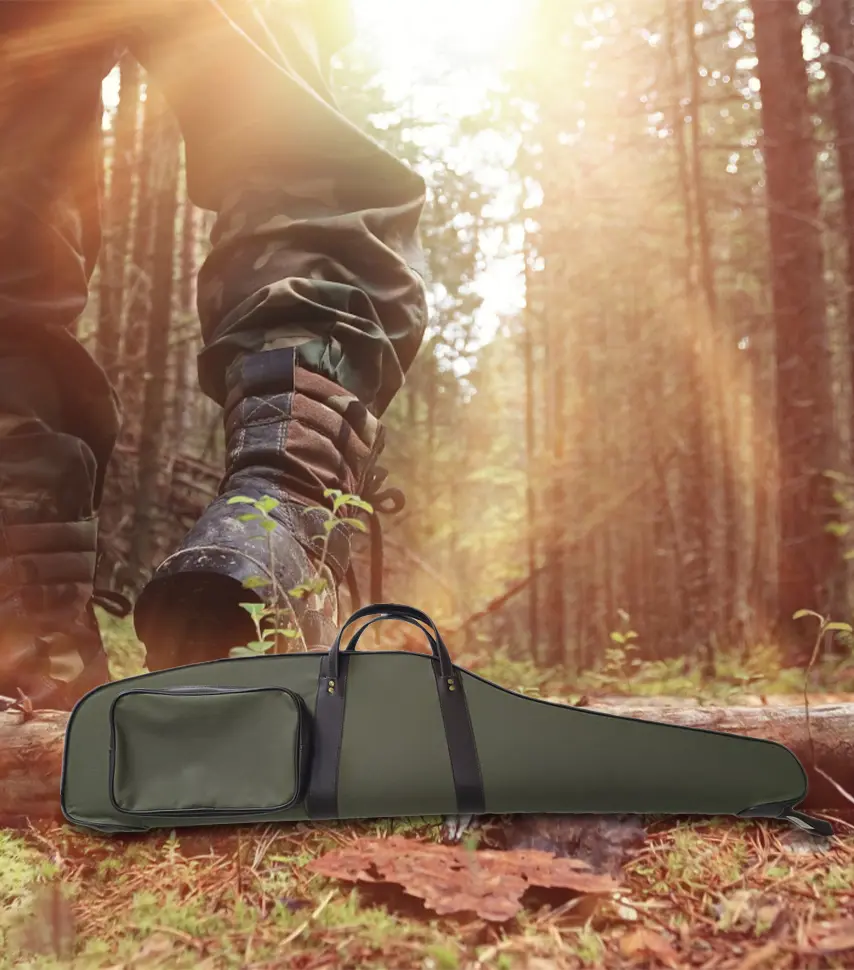 Hunting And Shooting Bag LSH
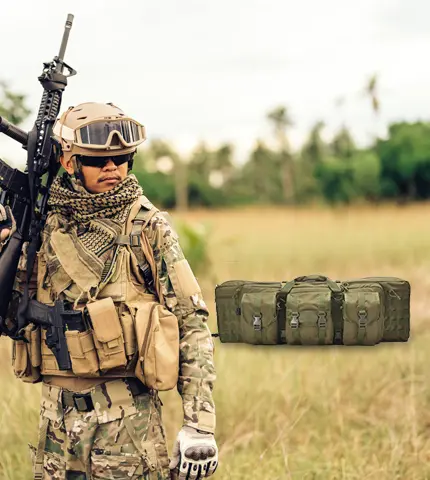 Tactical Military Bag & Vest LST
 Archery Bag LSC
 Fishing Bag LSF
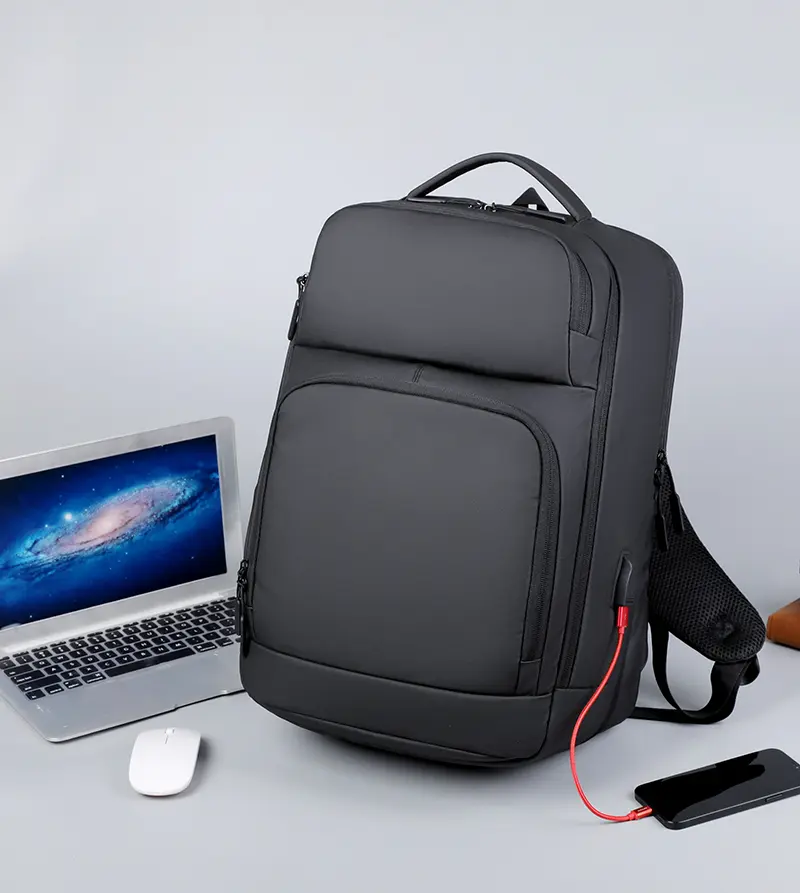 Others LSB