Leave Your Message

What Are Tactical Bags Used For?

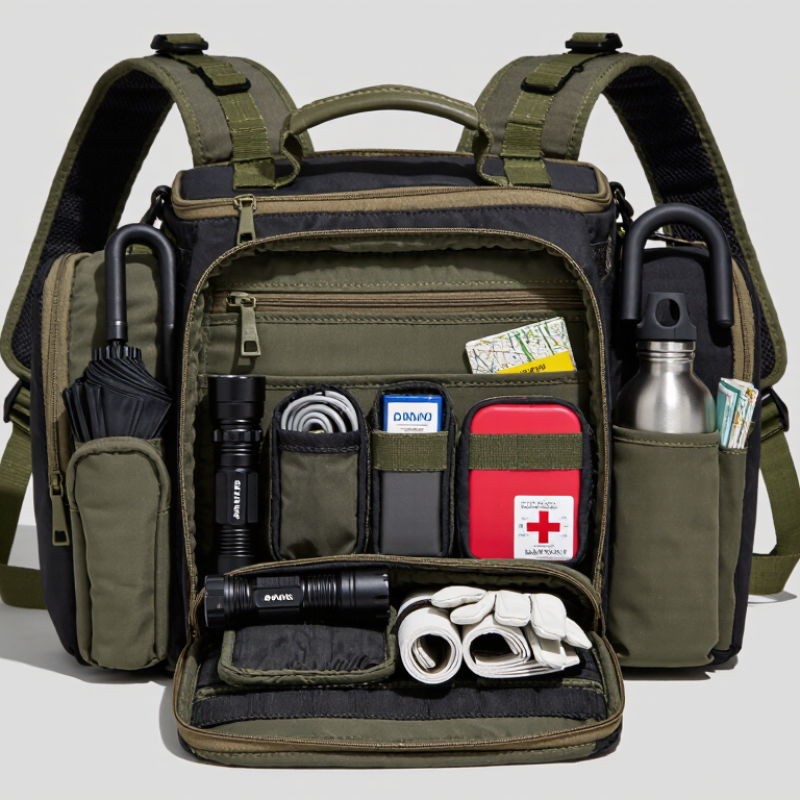
Tactical Bags are built for organized movement, not just a rugged appearance. They typically combine reinforced fabric, padded compartments, adjustable straps, and quick-access storage. These features support lawful everyday tasks, including commuting, hiking, field work, travel, and emergency preparation. A well-designed bag can hold a laptop, water bottle, flashlight, medical supplies, documents, and protective clothing without becoming difficult to carry.

Market data helps explain their growing appeal. Grand View Research identifies tactical gear as an expanding global category, supported by outdoor recreation, professional work, and consumer interest in durable equipment. The Outdoor Foundation’s 2024 Outdoor Participation Trends Report recorded 175.8 million American participants in outdoor recreation during 2023. That figure reflects a broad need for practical carrying systems, although it does not measure tactical bags directly. Different users need different designs. A trail user may prioritize hydration access and weather resistance. A technician may need tool organization and abrasion protection. A traveler may value discreet styling and comfortable weight distribution.

Real-world performance depends on details. Zippers should open smoothly, stitching should remain firm, and shoulder straps should not cut into the body. Water resistance is useful, but it is not the same as waterproofing. No bag solves every problem. Overpacking can still create discomfort, even with excellent padding. Reports from the Consumer Product Safety Commission also remind buyers that poor fit and excessive loads can contribute to strain. Therefore, this guide examines what Tactical Bags are used for, how their features support different activities, and where marketing claims deserve careful questioning.
What Are Tactical Bags Used For?

Definition and Core Purpose of Tactical Bags

What Are Tactical Bags Used For?

Definition and Core Purpose of Tactical Bags

Tactical bags are durable carry systems designed for organized access in demanding situations. Their core purpose is simple: keeping essential items secure, separated, and ready to reach. Unlike ordinary bags, they often include reinforced stitching, adjustable compartments, protective padding, and attachment points. These features support practical use during travel, outdoor work, first-aid preparation, photography, or daily commuting. A well-designed bag reduces searching when time, weather, or movement becomes stressful.

The value comes from structure, not appearance. For example, a user might place a flashlight in an outer pocket, documents in a protected sleeve, and water near the back panel. This arrangement improves balance and saves small amounts of time. In my experience, comfort matters as much as capacity. A bag that holds too much can become heavy and awkward. Tactical bags are not perfect solutions, either. Extra compartments may encourage overpacking and confusion. Purpose should guide selection.

Tips: Choose a size that matches your actual routine. Test the shoulder straps with realistic weight. Use separate sections for clean, wet, or fragile items. Check zippers and stitching before long trips. Avoid filling every pocket. Leave room for quick access and unexpected needs. Safety and lawful everyday use should remain the priority.
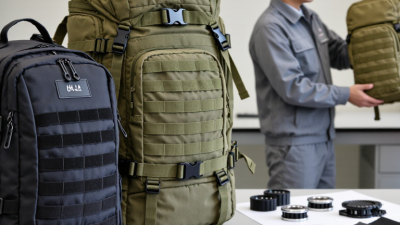
Key Features and Materials Used in Tactical Bag Design

What Are Tactical Bags Used For?

Key Features and Materials Used in Tactical Bag Design

Tactical bags support field work, outdoor travel, commuting, photography, and emergency preparation. Their value comes from organized access, not an aggressive appearance. Separate compartments can hold a flashlight, notebook, water bottle, first-aid supplies, and cables. A padded laptop sleeve protects fragile equipment during movement. I have found that quick access matters more than maximum capacity. A crowded bag becomes slow to use.

Designers commonly select 500D or 1000D nylon for abrasion resistance. Polyester can reduce cost and weight, while TPU coatings improve water resistance. However, water-resistant does not mean waterproof. Sealed seams and covered zippers still matter. Bar-tack stitching strengthens stress points around handles and shoulder straps. Modular webbing allows users to attach small pouches, but excessive webbing adds weight and catches on furniture. It looks useful. Sometimes it is not.

The 2024 Textile Exchange Materials Market Report estimates that recycled polyester represented about 12% of global polyester production in 2023. This signals growing material scrutiny, although recycled content alone does not prove durability. A 2024 Outdoor Industry Association participation report recorded 175.8 million U.S. outdoor participants in 2023, showing why adaptable carry systems appeal beyond specialist users. Practical designs should include breathable padding, adjustable sternum straps, compression panels, and balanced load distribution. Manufacturers should also disclose fabric denier, coating type, recycled content, and testing methods. Without those details, “heavy-duty” remains a vague sales phrase.

What Are Tactical Bags Used For?

Tactical bags are commonly designed for outdoor activities, emergency preparation, field work, travel, and equipment organization. Fabric selection affects durability, weight, abrasion resistance, and carrying comfort.

Lower-weight fabrics can reduce overall pack weight, while heavier fabrics generally provide greater abrasion resistance and structural support. Actual performance depends on weave density, coatings, stitching, zippers, padding, and load distribution; the values shown are representative fabric-weight figures rather than a universal performance ranking.

Common Types of Tactical Bags and Their Specialized Roles

What Are Tactical Bags Used For?

Common Types of Tactical Bags and Their Specialized Roles

Tactical bags are designed around access, organization, and changing conditions. Their roles differ more than their rugged appearance suggests. A compact sling bag suits short urban trips and keeps a phone, first-aid items, and documents close. A daypack offers more space for water, clothing layers, and navigation tools. Larger load-bearing packs support extended outdoor work, where balanced weight matters more than appearance.

The 2024 Outdoor Participation Trends Report recorded 175.8 million U.S. outdoor participants in 2023. That figure reflects demand for practical carrying systems, not only military-style equipment. Emergency-oriented packs should also follow FEMA guidance, including one gallon of water per person per day. Medical bags need clear compartments and fast identification. Camera or radio bags require padding and cable management. A vehicle bag can hold tools, lighting, gloves, and basic supplies without becoming overloaded.

Tips: Choose the bag after listing the actual equipment. Place frequent-use items in outer pockets. Keep heavier items near your back. Test the packed bag on stairs and uneven ground. A bigger bag is not automatically better. Field users often overpack, then ignore uncomfortable weight. That is a useful warning, though personal needs still vary. Check stitching, zippers, shoulder adjustment, and weather resistance before purchase. Reassess the layout after real use, because the first arrangement is rarely perfect.

What Are Tactical Bags Used For? - Common Types of Tactical Bags and Their Specialized Roles
Tactical Bag Type Specialized Role Typical Capacity Common Users Key Construction Features Typical Contents Primary Advantages Common Limitations
Patrol Backpack Field Carry & Patrol Support
Designed for carrying essential equipment during patrols, training, hiking, and daily outdoor work.
20–35 L Outdoor professionals, emergency personnel, security staff, hikers, and military trainees Padded shoulder straps, adjustable sternum strap, waist belt, reinforced grab handle, and multiple compartments Water, food, clothing layers, navigation tools, communications equipment, first-aid supplies, and personal gear Balances mobility, organization, and moderate load-carrying comfort Usually too small for extended trips or bulky specialist equipment
Assault Pack Short-Duration Operations
Supports compact loads where quick access and movement are more important than maximum storage.
15–30 L Military personnel, law-enforcement teams, search-and-rescue groups, and tactical trainers Durable fabric, modular attachment points, compression straps, hydration compatibility, and reinforced seams Mission-specific tools, hydration reservoir, spare magazines where legally applicable, protective equipment, and medical supplies Compact profile, rapid access, and efficient attachment of modular pouches Limited space for sleeping gear, large clothing loads, or long-duration supplies
Medical or Trauma Bag Emergency Medical Response
Organizes medical supplies for rapid treatment and controlled replenishment.
10–40 L Paramedics, first responders, rescue teams, industrial safety personnel, and trained medical staff Color-coded compartments, elastic loops, removable inserts, wipe-clean lining, and wide-opening access Bandages, dressings, gloves, airway supplies, splints, diagnostic tools, and other appropriately trained-use equipment Fast identification and orderly access to medical supplies Requires regular inventory checks; contents can become heavy and bulky
Range Bag Equipment Transport to a Range
Separates and protects training equipment, hearing protection, eye protection, and accessories.
25–55 L Sport shooters, firearms instructors, range personnel, and competition participants Wide base, reinforced carry handles, removable dividers, padded compartments, and durable bottom panels Eye and hearing protection, targets, tools, cleaning supplies, ammunition containers where permitted, and personal items Stable organization and convenient transport of many small accessories Can be heavy when fully loaded and may be unsuitable for long-distance carrying
Plate Carrier Protective Equipment Platform
Carries compatible protective plates and provides attachment space for mission-specific pouches.
Minimal internal storage; pouch-dependent Military and law-enforcement personnel, protective teams, and authorized training users Adjustable shoulder and cummerbund system, plate pockets, modular webbing, and load-bearing attachment areas Compatible protective plates, communications pouch, medical pouch, utility pouch, and identification panels Keeps protective equipment close to the torso while allowing modular configuration Not a general-purpose backpack; fit, weight, heat, and legal requirements must be considered
Chest Rig Front-Mounted Load Carrying
Keeps frequently accessed equipment on the chest while leaving the back relatively unobstructed.
Pouch-dependent; commonly 5–15 L of usable storage Training users, outdoor professionals, military personnel, and emergency teams Adjustable harness, modular attachment panels, lightweight construction, and front-access pouches Navigation tools, communications equipment, magazines where legally applicable, medical supplies, and small utility items Excellent front access and good compatibility with backpacks Limited protection and storage; front weight may restrict movement or ventilation
Hydration Pack Hands-Free Water Carrying
Provides regular access to drinking water during movement or physical activity.
2–10 L, including water reservoir Hikers, cyclists, runners, military trainees, rescue workers, and outdoor laborers Water reservoir sleeve, drinking tube, bite valve, sternum strap, breathable back panel, and compact storage pockets Water reservoir, snacks, navigation device, first-aid items, rain shell, and small personal essentials Lightweight and convenient for frequent hydration without stopping Small storage volume; reservoirs require regular cleaning and drying
Deployment Duffel Bulk Equipment Transport
Moves clothing, protective equipment, and operational supplies between locations.
60–150 L Service members, emergency-response teams, expedition groups, and industrial crews Large main compartment, reinforced base, heavy-duty zippers, compression straps, and multiple carrying options Uniforms, boots, protective clothing, sleeping gear, tools, hygiene kits, and packed personal equipment High capacity and suitable for transporting irregularly shaped loads Less comfortable for long periods of walking; contents may be difficult to access without organization
Range or Utility Pouch Modular Small-Item Organization
Adds focused storage to a belt, backpack, vest, or other compatible load-carrying system.
0.5–5 L Outdoor users, technicians, first responders, range users, and field personnel Attachment straps, zipper or flap closure, reinforced attachment points, and compact compartment design Multi-tools, batteries, gloves, medical items, maps, cables, and small maintenance equipment Improves access and allows equipment to be arranged according to the task Attachment systems may not be compatible across all products; limited capacity
Concealed-Carry or Discreet Access Bag Low-Profile Secure Carry
Provides discreet access to selected equipment while maintaining an everyday appearance.
5–20 L Authorized security professionals, travelers, commuters, and trained civilian users Lockable or secured compartments, padded dividers, discreet exterior styling, and quick-access openings Documents, electronics, first-aid supplies, personal items, and other legally permitted equipment Lower visual profile and convenient organization for urban or travel environments Limited capacity and requires careful attention to local laws, safe handling, and access control
Waterproof or Dry Tactical Bag Protection from Water and Moisture
Keeps essential equipment dry during rain, river crossings, marine work, or wet environments.
10–80 L Marine teams, rescue workers, anglers, paddlers, outdoor professionals, and expedition users Water-resistant or waterproof material, roll-top closure, welded or sealed seams, and reinforced base Clothing, electronics in protective cases, food, documents, medical supplies, and emergency equipment Provides strong moisture protection and is easy to clean after outdoor use Roll-top systems can slow access; waterproof performance depends on closure and seam design

Practical Uses in Outdoor, Professional, and Emergency Settings

What Are Tactical Bags Used For?

Practical Uses in Outdoor, Professional, and Emergency Settings

Tactical bags support organized movement in demanding environments. Hikers use them for water, maps, layered clothing, and compact repair tools. Separate compartments reduce digging through loose equipment on a wet trail. A reinforced base also helps when the bag rests on rocks or muddy ground. Keep it light. Heavy bags can quickly turn a short hike into an exhausting walk.

In professional settings, these bags carry practical work supplies. Field technicians may store meters, gloves, chargers, notebooks, and protective eyewear inside them. Adjustable dividers help prevent fragile tools from striking one another. Wide openings improve access in vehicles, workshops, or crowded job sites. However, too many pockets can slow packing. A simple layout is often more useful than maximum storage.

Emergency preparation gives tactical bags another clear purpose. A household bag can hold first-aid materials, drinking water, a flashlight, spare batteries, snacks, and copies of important contacts. Bright labels make items easier to find under stress. Water-resistant fabric offers some protection, but it does not make contents waterproof. Use sealed inner pouches for documents and electronics. Check the bag every few months. Batteries expire, medicines change, and people often forget what they packed. A well-organized bag helps, but it cannot replace training or good judgment.

Factors to Consider When Choosing a Tactical Bag

What Are Tactical Bags Used For?

Tactical bags support field work, outdoor travel, emergency preparation, and everyday carrying. Their value depends on practical design, not appearance. Grand View Research estimated the global backpack market at approximately US$20 billion in 2023. That figure reflects strong demand for durable, organized carrying equipment across several industries.

Factors to Consider When Choosing a Tactical Bag

Capacity should match the real load. A 20-liter bag may suit daily tools, while longer trips need more space. More capacity is not always better. An overloaded bag can strain the shoulders and reduce movement. Look for padded straps, a breathable back panel, and adjustable chest support. The Occupational Safety and Health Administration advises reducing excessive loads and improving ergonomic carrying methods. Material also matters. High-denier synthetic fabric resists abrasion, but stitching and zipper quality often decide service life. Water-resistant fabric helps in light rain, though it cannot replace a waterproof cover.

Tips: Pack the actual items first. Then measure the space. Check whether the bag stays balanced when half full. A practical test is better than a dramatic product description. Consider external attachment points carefully. They add flexibility, but loose items can snag or swing during movement. Research and Markets reports continued demand for modular tactical backpacks, especially for adaptable storage. Still, modularity can become clutter. I sometimes prefer fewer compartments. Simple access is easier under pressure. Inspect buckles, seams, and padding before purchase, because small weaknesses become expensive problems.