- Home
- About Us
- Products
- FAQ
- News
- Contact Us
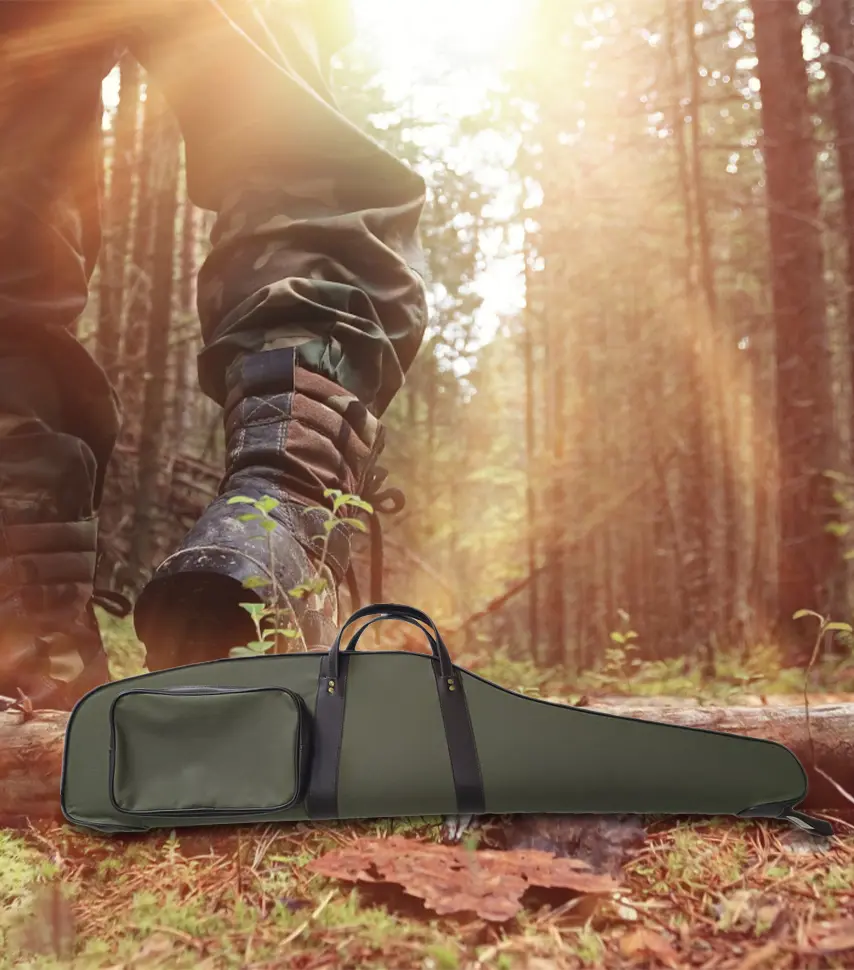 Hunting And Shooting Bag LSH
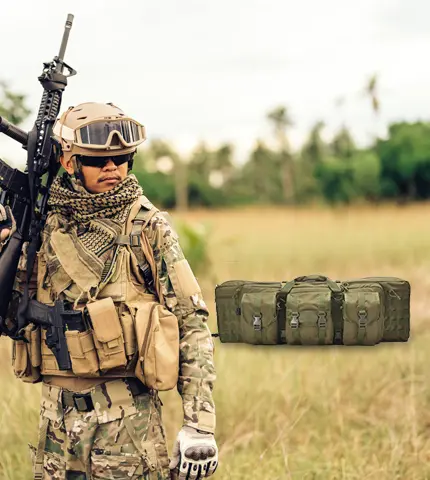 Tactical Military Bag & Vest LST
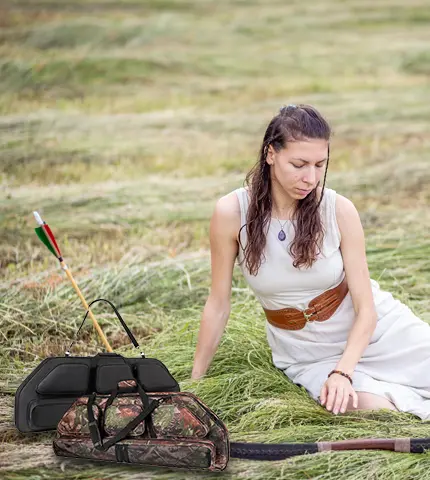 Archery Bag LSC
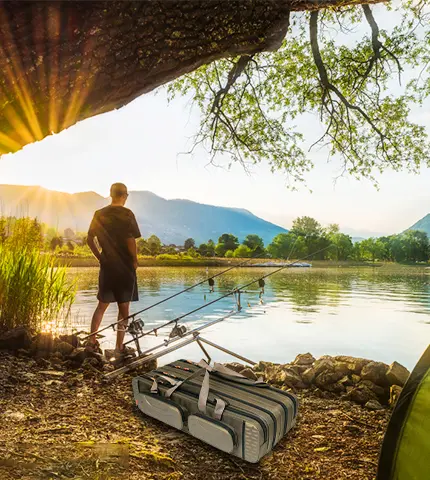 Fishing Bag LSF
 Others LSB
Want to start with us? Contact us
Leave Your Message
- Phone
- E-mail
- WhatsApp

- WeChat

Choosing among Hunting Travel Bags is less about finding the biggest pack and more about matching its design to the journey. A short walk from the truck calls for different storage than an overnight trip through wet timber. The U.S. Fish and Wildlife Service’s 2022 National Survey counted 14.4 million hunters aged 16 and older. Its findings underline the scale of hunting participation, but participation alone cannot identify the right bag. Fit, access, weather protection, and load comfort matter in the field.
Outdoor Industry Association’s 2024 Outdoor Participation Trends Report estimated that 175.8 million Americans took part in outdoor recreation in 2023. That broad figure is useful context, not proof that one bag suits every hunter. A waterproof shell may protect spare layers, yet a stiff harness can rub after hours on a steep trail. Small details matter. Pocket placement, quiet fabric, and a stable waist belt can change how a loaded bag feels. No single winner exists.
This guide compares daypacks, duffels, and specialized hunting packs by capacity, carry comfort, organization, and durability. It also considers travel between home, trailhead, and camp. One evidence gap deserves honesty: no source material was supplied with a verifiable, bag-specific expert quotation. Rather than invent a quote or attribute one without proof, this introduction leaves it out. A useful choice starts with the route, the load, and the conditions you actually expect.
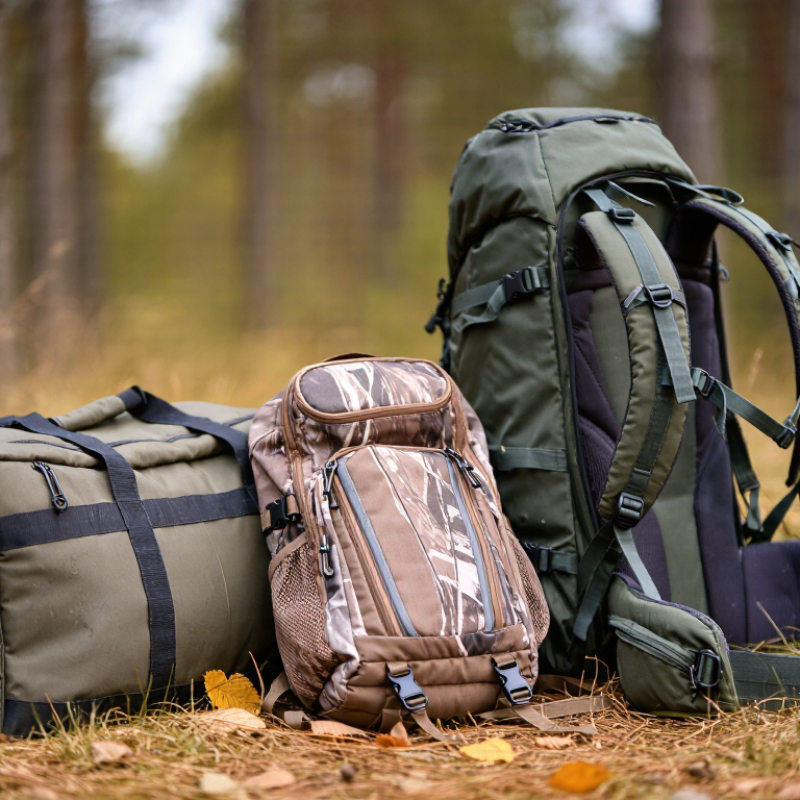
Choose a hunting travel bag by load, frame, and trip—not by appearance. Capacity is the first filter: a 20–35-liter bag suits compact day essentials, while 35–50 liters leaves room for layers, water, and food. For multi-day backcountry travel, 50–70 liters can accommodate a sleeping system and spare clothing, though bulky gear quickly uses that space. These are practical ranges, not a universal standard. Measure your packed kit before choosing.
Frame choice changes how a load feels. A frameless bag stays light for short walks and modest loads; an internal frame helps stabilize weight on uneven ground. External frames can improve ventilation and carry awkward loads, but may snag brush. Match the design to the trip: a streamlined day bag for quick outings, or a larger hauler for remote camps. The U.S. Fish and Wildlife Service’s 2022 National Survey estimated 14.4 million U.S. hunters aged 16 and older. That figure describes participation, not bag demand—a useful distinction. Check fit with a realistic load, including water and food. Stiff shoulder straps, accessible pockets, and a stable hip belt can make long climbs easier. Even careful packing plans can fail when weather shifts; leave room for that possibility.
The best choice depends on trip length, expected load, and whether the bag must carry heavy gear or harvested meat. Capacity ranges below are typical categories, not fixed standards; designs and measurements vary by manufacturer.
| Bag Type | Typical Capacity | Frame | Intended Use | Typical Load and Features | Main Trade-Off |
|---|---|---|---|---|---|
| Compact day hunting pack | 15–30 L (about 900–1,830 cu in) | Usually frameless or lightly structured | Day hunts, short hikes, or carrying essential gear from a base camp | Water, food, extra clothing, first-aid supplies, navigation tools, and small accessories | Light and easy to maneuver, but has limited room and is not designed for sustained heavy loads. |
| Multi-day hunting pack | 40–70 L (about 2,440–4,270 cu in) | Typically an internal frame with a supportive hip belt | Overnight or multi-day backcountry hunts | Sleeping gear, shelter, food, clothing layers, water, and hunting equipment; many designs include compression straps and attachment points. | Offers a useful balance of capacity and mobility, but can become bulky when packed for a short outing. |
| Expedition or meat-hauling pack | 65–100+ L (about 3,970–6,100+ cu in) | Reinforced internal frame or external load-bearing frame | Extended remote trips or carrying bulky, heavy loads, including meat when properly configured | Large compartments, load lifters, a substantial hip belt, compression straps, and often a load shelf or frame-to-bag separation. | Provides greater load support and room, but is heavier, more complex, and less convenient for casual travel. |
| Duffel-style travel bag | 40–100 L (about 2,440–6,100 cu in) | No backpack frame; usually carried by handles or a shoulder strap | Road trips, flights, and transporting clothing or equipment between home, camp, and a vehicle | Wide opening and simple storage for bulky items; some models have separate compartments for footwear or damp clothing. | Efficient for transport and packing, but uncomfortable to carry over long distances on foot. |
| Rolling hunting travel bag | 60–120 L (about 3,660–7,320 cu in) | Wheeled chassis rather than a load-carrying backpack frame | Airport or vehicle-to-lodging travel on relatively smooth surfaces | Large storage volume, wheels, a pull handle, and often reinforced panels for transporting gear. | Reduces carrying effort on smooth ground, but wheels add weight and work poorly on rough trails. |
| Convertible pack-and-duffel | 35–70 L (about 2,140–4,270 cu in) | Removable or stowable shoulder straps; frame support varies | Travel that combines vehicle or air transport with short walks to camp | Can be carried by hand or on the back; useful for organizing general travel gear and hunting accessories. | More versatile than a basic duffel, but its carrying support may be less comfortable than a dedicated backpack frame. |