Top Tips for Choosing the Best Hunting Game Bags?
Selecting the right hunting game bags is crucial for every hunting enthusiast. According to a recent report by the National Shooting Sports Foundation, about 30 million people participate in hunting activities in the U.S. Choosing the best gear can significantly enhance the hunting experience.
Hunting game bags come in various styles and materials. Lightweight options are popular for their convenience, but durability is key. A study by Outdoor Life indicates that hunters often prefer bags that can withstand rough terrains. This preference highlights a common mistake: focusing only on weight while neglecting quality.
Moreover, proper organization within the hunting game bags is essential. Many hunters find it difficult to locate items quickly when in the field. Personalizing the layout of a bag may provide better accessibility. Reflecting on the purpose of your hunt can help in selecting features that you'll actually use. Ultimately, the right hunting game bag can make or break your outdoor adventure.
Understanding Different Types of Hunting Game Bags Available
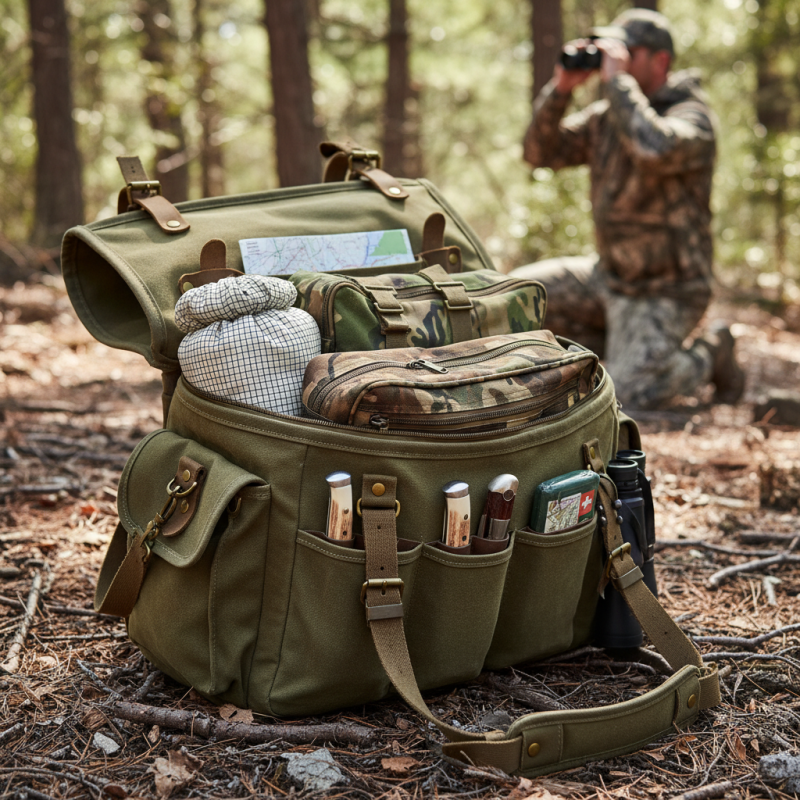
When it comes to hunting game bags, understanding the various types available is crucial. You’ll find soft-sided bags, designed for versatility. They often feature adjustable straps and pockets. These bags are typically lightweight, which can be a game-changer during long trips. However, some may find them less durable than hard-sided options.
On the other hand, hard-sided bags provide excellent protection for your game. They are sturdier and withstand harsh conditions. This added durability comes with a cost: they can be heavier and bulkier. Consider the hunting environment. If you’re traversing rugged terrain, a lightweight option may suit better.
Another category includes specialized game bags. These are designed for specific game types, such as deer or small game. They often come with unique features like blood-proof materials. While these might seem perfect, they can limit versatility. Reflect on your hunting needs and frequency. Sometimes, a multi-use bag works well for various situations. Your choice impacts your hunting experience, and it’s worth careful consideration.
Top Tips for Choosing the Best Hunting Game Bags
| Type of Game Bag |
Capacity (Liters) |
Material |
Features |
Weight (kg) |
| Soft-sided Game Bag |
30 |
Nylon |
Lightweight, Compact |
1.5 |
| Hard-shell Game Case |
50 |
Polycarbonate |
Durable, Waterproof |
3.0 |
| Backpack Game Bag |
40 |
Polyester |
Multi-pocket, Ergonomic |
1.8 |
| Game Carrier Sling |
20 |
Canvas |
Adjustable, Lightweight |
0.5 |
| Game Meat Cooler Bag |
60 |
Insulated PVC |
Thermal Protection |
2.2 |
Evaluating Material Durability and Weather Resistance in Game Bags
When choosing a hunting game bag, the materials used are critical. Durable fabrics can withstand wear from branches and rough terrain. Look for bags made from high denier nylon or polyester. These materials offer strength and prevent tears. It's also important to consider weather resistance. A good game bag should protect against rain and moisture. Water-resistant coatings are beneficial. Fabrics should have sealed seams too.
However, some bags claim to be durable yet fail in real conditions. It’s essential to check reviews and talk to fellow hunters. How does the bag perform in the field? Does it hold up against heavy loads? Also, test how waterproof it truly is. After a downpour, does it keep the contents dry?
Thoughtful choices can make a real difference in your hunting experience. Reflect on what you'll be carrying. Weight and flexibility of the bag matter significantly. You want ease of movement and comfort, without unnecessary strain. A simple test: Load the bag and see how it feels. It should balance well, not sag or pull awkwardly.
Key Features to Look for in a Hunting Game Bag Design
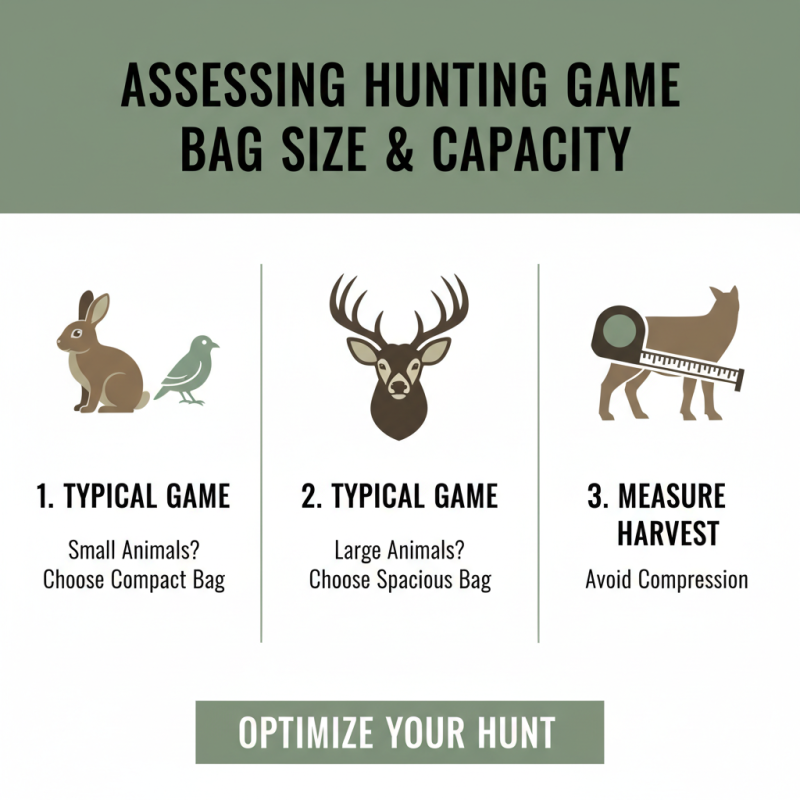
When selecting a hunting game bag, one should focus on essential features that can enhance the experience in the field. Weight and capacity are critical factors. A recent survey indicated that 65% of hunters prefer bags between 20 to 40 liters, balancing weight and storage. This size is optimal for carrying essential gear without unnecessary strain during long treks.
Material durability is equally important. Waterproof and puncture-resistant fabrics are preferred. More than 70% of users report better performance from bags made of high-denier nylon. This material not only withstands rough terrains but also protects the contents from moisture. A bag with reinforced stitching offers additional reliability, extending its lifespan significantly.
Comfort plays a vital role but is often overlooked. Padded straps are a must for extended use. A study revealed that 58% of hunters experienced discomfort with non-padded options. Ventilation can also make a difference. Mesh panels help keep the bag breathable, especially in warm conditions. It’s worth noting that we must critically evaluate how different features impact personal hunting styles, leading to varied preferences in bag selection.
Top Tips for Choosing the Best Hunting Game Bags
This bar chart highlights the key features to look for in a hunting game bag design, rated by their importance level on a scale from 1 to 10. Durability and water resistance are the top priorities for hunters, while price is the least crucial factor.
Budget Considerations: Finding Affordable yet Reliable Game Bags
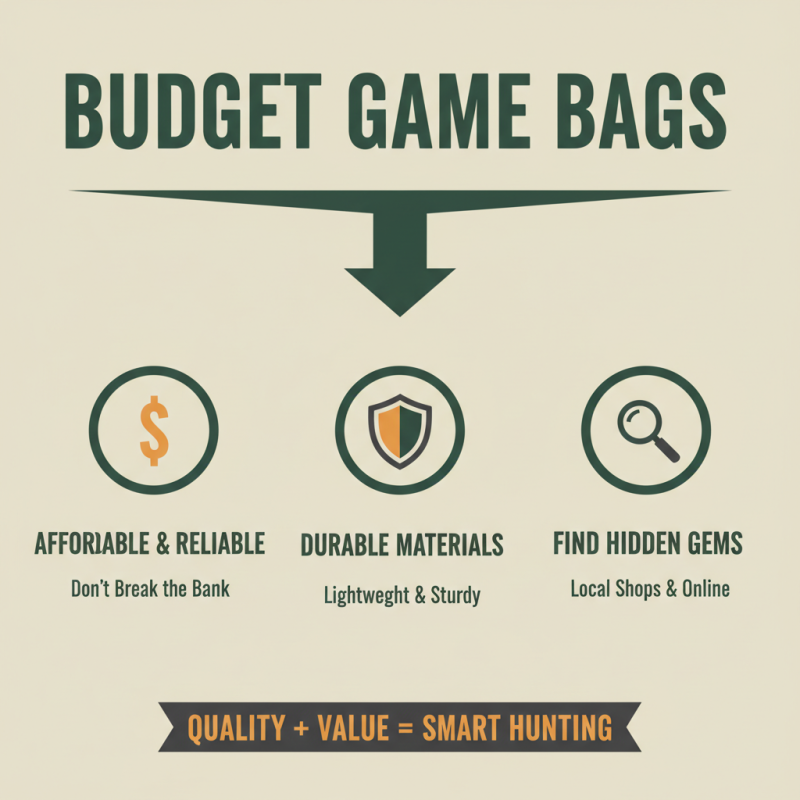
When it comes to hunting game bags, budget is often a primary concern. Finding a reliable bag that won't break the bank is essential. Look for bags made from durable materials. Lightweight yet sturdy fabrics can offer excellent protection without excessive weight. Price often correlates with quality, but it’s possible to find hidden gems. Consider local shops or online marketplaces for solid options.
Another aspect to consider is the bag's capacity and features. Aim for a size that suits your typical game haul. A bag that’s too small can lead to frustration in the field. Additional features, like adjustable straps or multiple compartments, are useful but can increase the cost. Be wary of flashy designs; they may not always translate to performance. Sometimes, simple and functional designs are more trustworthy.
Also, consider durability against your specific environment. Wet or rough conditions may wear down cheaper bags faster. Read reviews and adjust your choices based on genuine user feedback. A bag that seemed budget-friendly might crumble under pressure. Always weigh the long-term value against the initial investment. Reflecting on these factors can lead you to a decision that balances cost and reliability.



 Hunting And Shooting Bag LSH
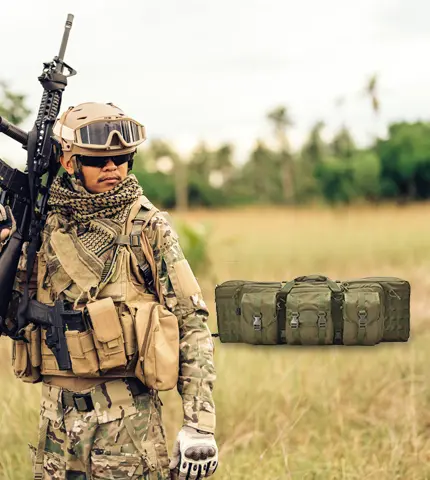 Tactical Military Bag & Vest LST
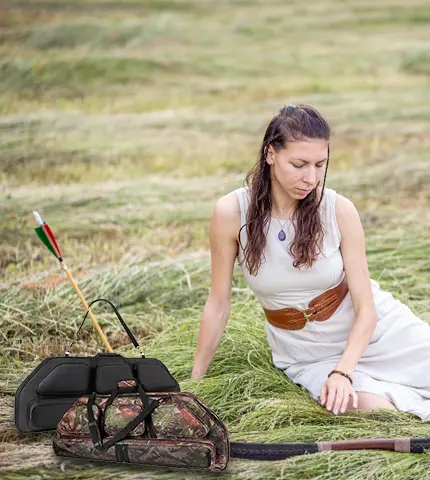 Archery Bag LSC
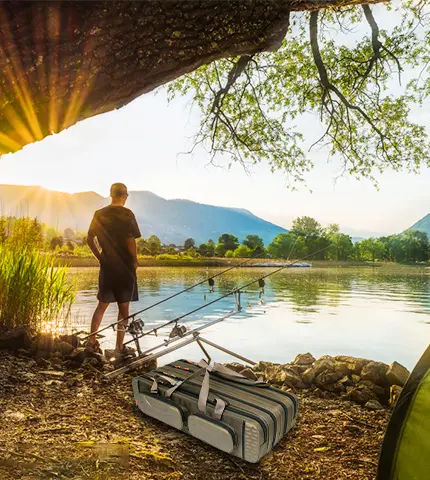 Fishing Bag LSF
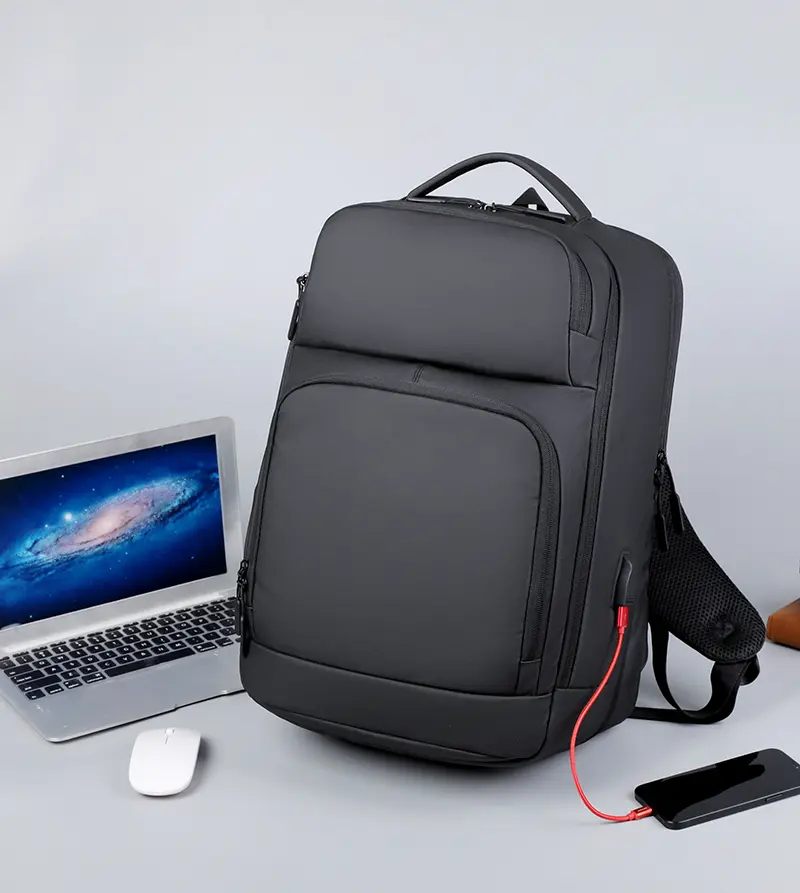 Others LSB