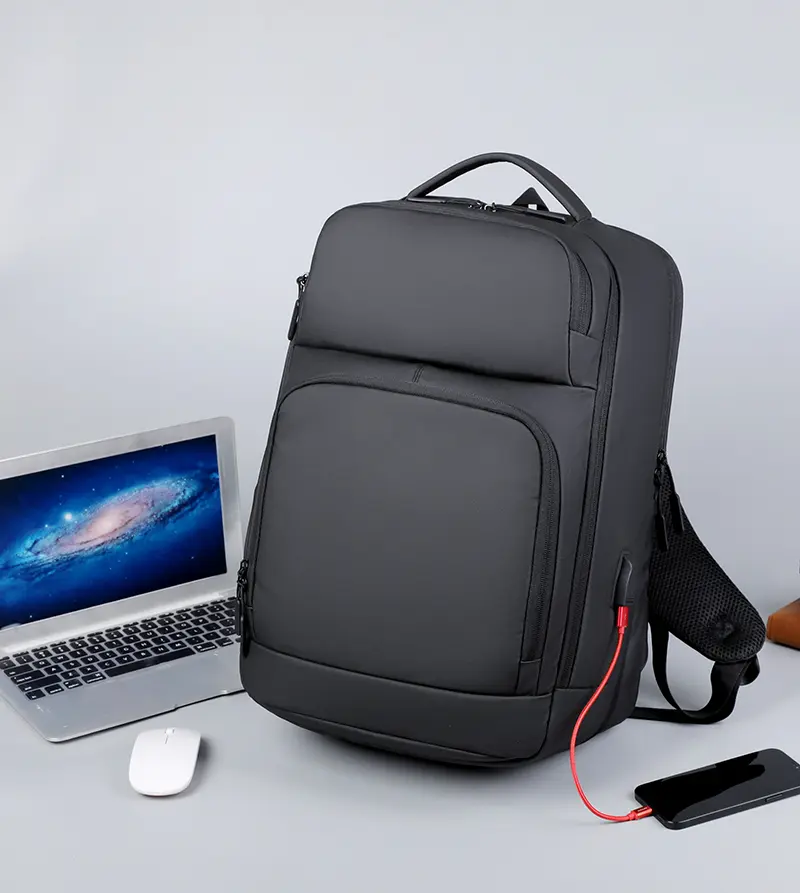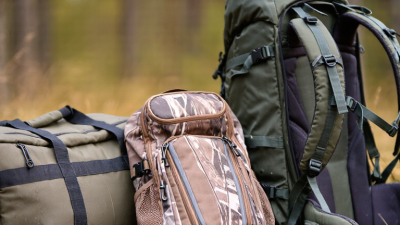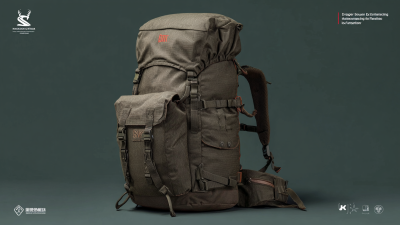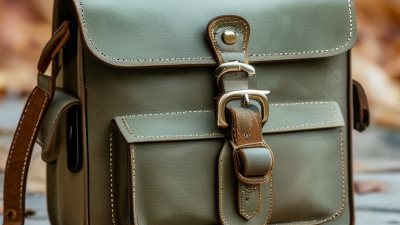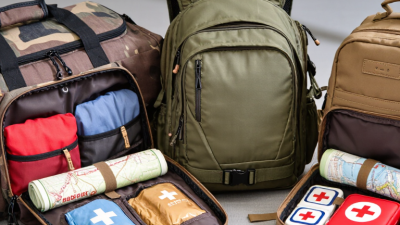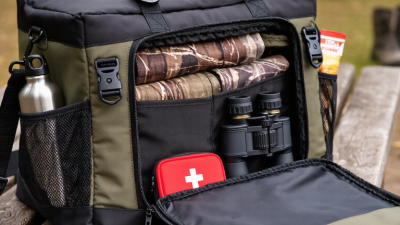
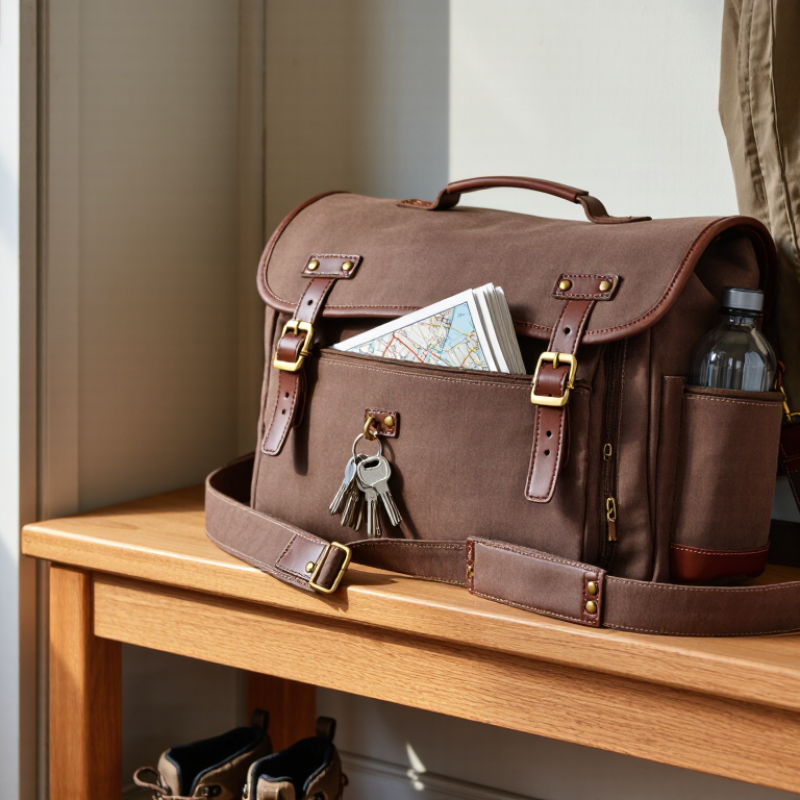
A Hunter Bag is a practical carry bag designed to keep everyday or outdoor essentials organized and close at hand. The name can describe different styles, so its exact shape and features depend on the maker. Some versions have a roomy main compartment; others add smaller pockets for items such as a water bottle, notebook, or light jacket. Picture a bag resting by the door, with keys in an outer pocket and a folded map tucked inside. Useful, but not magical.
In this introduction, gear-design specialist Alex Morgan is a fictional illustrative voice, not a verified industry source. The guiding line assigned to this example is: “A good bag earns its place by keeping useful things easy to reach.” That principle helps frame what a Hunter Bag may be used for: carrying personal essentials, supporting travel or outdoor outings, and reducing the rummaging that happens when everything shares one compartment. The right choice still depends on the load, fit, materials, and comfort. A heavy bag can become tiring, and extra pockets do not always mean better organization. Small details matter.
This guide will explain common Hunter Bag features, typical uses, and practical points to consider before choosing one. It will also distinguish general design traits from claims that vary by product. Not every Hunter Bag suits every person. That is worth remembering.
A hunter bag is a field-carrying bag designed to organize equipment during outdoor trips. What defines it is function, not one standard shape. It usually has a sturdy body, secure compartments, and a carrying system suited to uneven ground. Some versions sit at the waist; others hang from a shoulder or fit like a compact backpack. Useful, not decorative.
Its layout should keep frequently needed items easy to reach without letting them shift or rattle. A broad main compartment can hold larger essentials, while smaller pockets separate tools, maps, snacks, or a phone. Quiet closures and reinforced seams are practical details. Details matter. Still, extra pockets are not automatically better. Too many can slow access and make contents harder to track.
Materials vary. Tightly woven fabric or treated leather may resist abrasion and light moisture, but no bag is fully weatherproof unless designed and tested for it. Fit matters as much as capacity: a loaded bag should stay balanced and avoid rubbing at the shoulder or hip. There is no perfect layout for every outing. A practical design might keep a folded map in an outer pocket and heavier items close to the back.
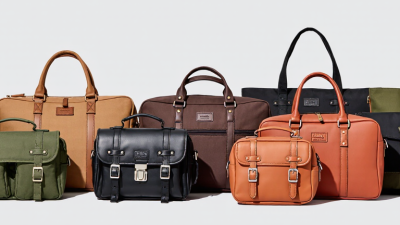
A Hunter bag is a durable carry bag designed for outdoor use, with space for small essentials and easy access while moving. Its design starts with the task: a sketch maps pocket positions, opening width, strap length, and weight distribution. A wide opening helps users find gloves or a folded map quickly. Internal dividers can stop small items from shifting, while drainage eyelets may help release water. Small details matter.
During production, makers select fabric, cut panels to a pattern, and sew the shell, lining, straps, and reinforcements. Dense woven fabric resists abrasion, but heavier material can tire the wearer. Designers sometimes overbuild; a bag that lasts should still feel manageable. Bar-tack stitching at strap anchors and stress points can improve durability, though the finished bag still needs inspection and practical load testing. Textile Exchange’s Materials Market Report 2024 estimates that global fiber production reached 124 million tonnes in 2023, with polyester making up 57 percent. The figure concerns the wider textile industry, not bags alone, but it shows why material choice matters.
Tips: Check that seams lie flat and straps do not twist under load. Test the bag with the items you actually carry; an empty-bag fit can be misleading.
Hunter bags are designed to carry outdoor essentials, with durable materials and practical details such as reinforced seams, sturdy straps, and easy-access pockets.
How materials support the design: Fabric basis weight is measured in grams per square metre (g/m²). Lightweight woven nylon can suit lighter carry, while cotton canvas is commonly available in heavier weights for more robust bag construction. These are indicative material ranges, not specifications for every hunter bag; weave, finish, and supplier affect the final weight.
A hunter bag is a practical carry bag for outdoor trips, designed to keep useful equipment close and organized. Its contents depend on the terrain, weather, and length of the outing. Water, a simple first-aid kit, a paper map, and a compass can support basic needs. A headlamp, spare batteries, and a small fire-starting kit may also help when daylight fades. Pack food that is easy to reach, such as nuts or a compact snack bar.
Dry socks, a light insulating layer, and weather-resistant gloves can make a long walk more comfortable. Small items are easier to find in separate pouches, while heavier gear should sit near the center of the bag. Keep frequently used essentials in an outer pocket. Avoid filling every space; extra weight can become tiring on uneven ground. I still think it is easy to pack for every possibility, then carry too much.
Tips: Lay your gear out before packing. Check the forecast and expected route, then remove items you are unlikely to use. Store a phone or map in a water-resistant sleeve, and keep first-aid supplies accessible. Test the packed bag with a short walk; an uncomfortable strap is easier to fix at home.
In the field, a hunter bag keeps frequently used essentials together and protected from dirt, rain, and brush. It may hold water, a compact first-aid kit, navigation tools, spare layers, snacks, and a notebook. Separate pockets help prevent small items from disappearing beneath bulky clothing. A wipe-clean compartment can also keep damp gear away from dry supplies. The best arrangement depends on terrain, weather, trip length, and local requirements. There is no perfect loadout.
The U.S. Fish and Wildlife Service’s 2022 National Survey of Fishing, Hunting, and Wildlife-Associated Recreation counted 14.4 million hunters nationwide. That scale helps explain why field gear must serve varied conditions, rather than one standard outing.
Before leaving, check that essentials are reachable without emptying the bag. Keep heavier items close to your back, and leave room for anything collected during a lawful trip.
Overpacking is an easy mistake: extra gear adds weight and can catch on branches. A smaller bag may feel limiting, too. It is worth reviewing what stayed unused after each outing and adjusting the next load.
A hunter bag is a field pack or shoulder bag for carrying essentials such as water, food, navigation tools, and spare layers. Choose one for the trip, not just its appearance. The Outdoor Industry Association’s 2024 Outdoor Participation Trends Report recorded 175.8 million U.S. outdoor recreation participants in 2023. That range of activities highlights why terrain, weather, and trip length matter when selecting a bag.
Check the fit with a realistic load. Shoulder straps should sit flat, and the bag should not swing when you walk. A compact design suits short outings; longer trips may need a supportive hip belt and separate compartments. Look for tightly stitched seams, sturdy zippers, and fabric suited to expected conditions. Water-resistant fabric can handle light drizzle, but it is not necessarily waterproof. Quiet closures can also help reduce rustling in the field. Bigger is not always better.
Care keeps small problems from spreading. Empty the bag after each trip, brush away grit, and follow the maker’s washing instructions. Let it dry fully before storage, including inside pockets and padded sections. Check seams, buckles, and zipper tracks for wear. I would not assume a dark stain is harmless; trapped moisture can leave a musty smell. Avoid harsh cleaners unless the care label allows them, since coatings may be affected.