- Home
- About Us
- Products
- FAQ
- News
- Contact Us
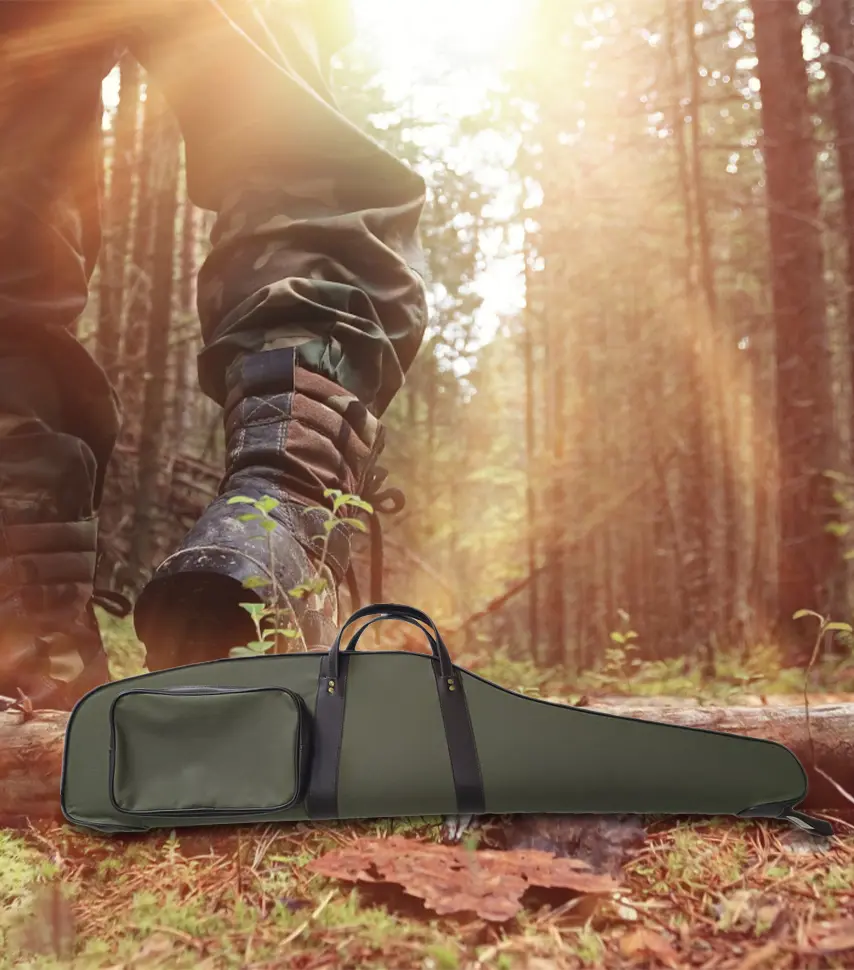 Hunting And Shooting Bag LSH
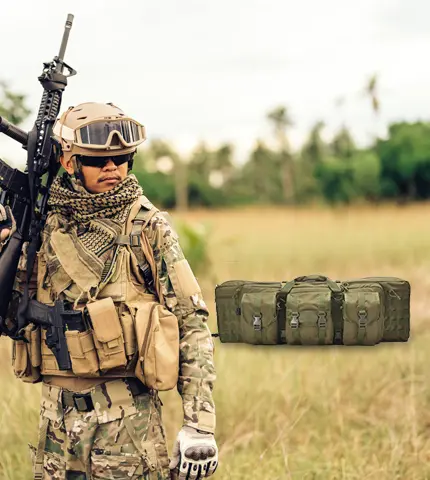 Tactical Military Bag & Vest LST
 Archery Bag LSC
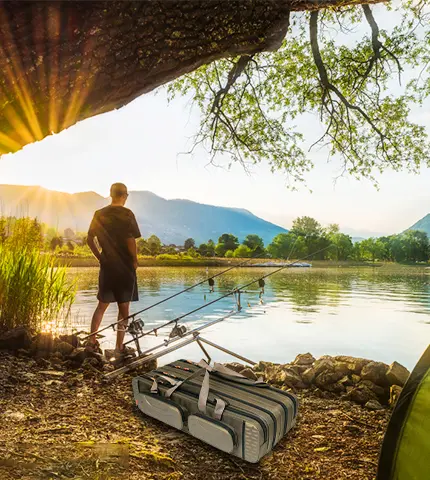 Fishing Bag LSF
 Others LSB
Want to start with us? Contact us
Leave Your Message
- Phone
- E-mail
- WhatsApp

- WeChat

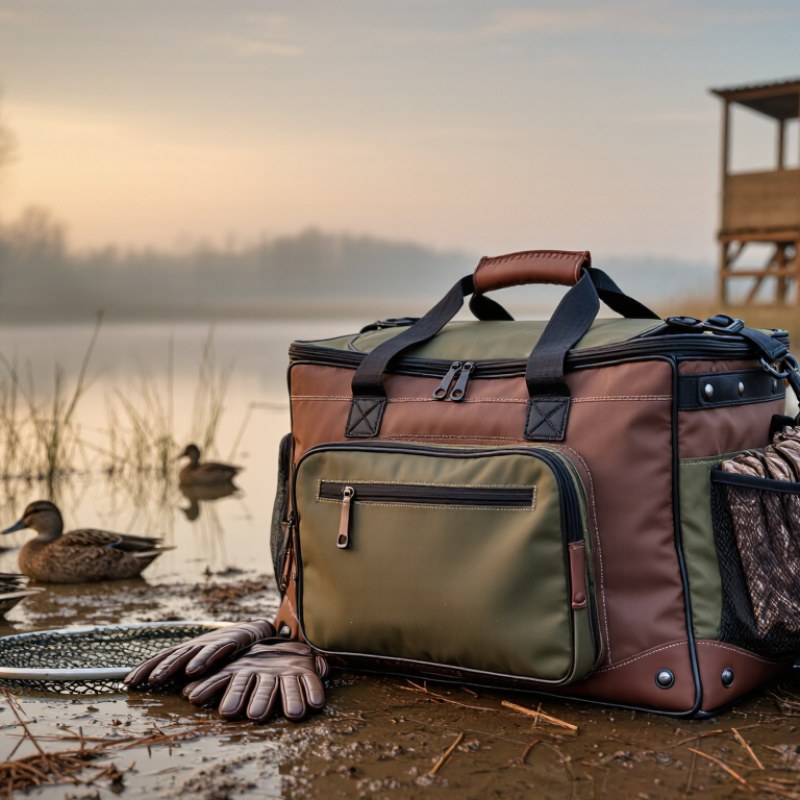
Choosing the China Best Waterfowl Hunting Bag Supplier requires more than comparing factory prices. The right supplier combines field experience, stable production, material knowledge, and responsive communication. A bag may look impressive online, yet fail beside a wet blind or muddy shoreline.
Outdoor equipment consultant Ethan Luo explains, “A dependable Waterfowl Hunting Bag protects essential gear before it impresses the buyer.” That principle matters during long hours outdoors. Strong stitching, water-resistant fabric, quiet closures, and balanced shoulder straps deserve careful attention. Practical suppliers should also explain fabric weights, compartment designs, sample testing, and production limits clearly.
Experience reveals small details. A wide opening helps when hands are cold. Drainage points prevent water from collecting inside. Reinforced corners survive contact with decoys, boats, and rough ground. However, no supplier is perfect. Some product pages promise more than factory testing proves. Buyers should request samples, inspection records, material specifications, and realistic delivery schedules. This step may feel slow. It prevents costly surprises.
A reliable Chinese manufacturer should support responsible, lawful outdoor use. It should respect local regulations, sustainable practices, and ethical sourcing standards. Certifications can help, but they do not replace direct questions. Ask how defects are handled. Ask whether custom branding affects durability. Ask for photographs from actual production lines.
This guide examines the qualities behind a dependable Waterfowl Hunting Bag supplier in China. It considers workmanship, customization, quality control, pricing transparency, and after-sales support. The goal is not to praise one factory blindly. It is to help buyers make a careful, evidence-based decision.
China Best Waterfowl Hunting Bag Supplier?
Best China Waterfowl Bag Supplier: Definition, Scope, and Buyer Criteria
A best supplier in China is not simply the lowest-cost factory. It is a verified manufacturing partner that can deliver durable waterfowl bags repeatedly. The scope includes design support, fabric selection, sampling, production, inspection, packaging, and export coordination. For hunting environments, practical performance matters. A bag should resist wet grass, abrasion, mud, and repeated loading. Water should drain quickly. Zippers and buckles must remain usable with cold, wet hands.
Start with measurable buyer criteria. Ask for fabric weight, coating details, seam construction, thread type, and hardware specifications. Request a physical sample, not only attractive photographs. Test it with damp equipment, sharp edges, and realistic carrying weight. Check shoulder straps, grab handles, pocket access, and internal organization. A factory should explain its quality-control steps, inspection records, minimum order quantity, and production lead time. Clear answers are valuable.
Communication is part of quality. Confirm drawings, tolerances, color references, labels, carton markings, and revision control in writing. Review an independent pre-shipment inspection when volume justifies it. A supplier may provide impressive samples but inconsistent bulk production. That risk deserves attention. No checklist is perfect. I would also compare the sample after repeated use, because early comfort can hide weak stitching. Cost still matters, but dependable materials, transparent documents, and realistic delivery promises usually protect the buyer better than a sudden discount.
| Evaluation Dimension | Buyer-Relevant Metric | Practical Buyer Benchmark | Recommended Verification | Buyer Priority |
|---|---|---|---|---|
| Bag Capacity | Internal volume in liters | Approximately 20–35 L for a day pack; 40–60 L for extended field use or additional equipment. | Measure internal length × width × height and confirm the usable volume after adding pockets and dividers. | High |
| External Dimensions | Length, width, and height in centimeters | A compact day pack commonly remains below approximately 60 cm in height to support mobility in marsh and field environments. | Request a dimension drawing and a finished sample measured when fully loaded. | High |
| Fabric Construction | Fiber type, denier, weave, and coating | Polyester or nylon with a tightly woven construction and polyurethane or equivalent water-resistant coating is commonly used for outdoor bags. Heavier denier generally improves abrasion resistance but increases weight. | Review the material specification sheet, fabric composition, denier value, and coating description. | High |
| Water Resistance | Hydrostatic head and water-repellent finish | A hydrostatic head of about 1,500 mm or higher is a practical starting point for rain-resistant construction; higher values provide more protection when pressure is applied. | Ask for a laboratory report using a recognized hydrostatic-pressure test method and inspect the coating uniformity. | High |
| Seam Protection | Stitch density, seam sealing, and bartacks | Stress points should have reinforced stitching or bartacks, while exposed seams should use binding, seam tape, or another suitable water-management method. | Inspect shoulder-strap anchors, handle attachments, bottom seams, pocket openings, and internal seam finishing. | High |
| Load Capacity | Recommended carrying load in kilograms | A general-purpose hunting day pack is commonly designed for approximately 8–15 kg, depending on frame design, strap construction, and bottom reinforcement. | Conduct a static load test using the intended load for at least 24 hours and inspect deformation or stitch failure. | High |
| Weight | Empty bag weight in grams | Approximately 700–1,500 g is a reasonable range for a soft day pack; extra frames, padding, and hardware increase weight. | Weigh production samples with all standard accessories included. | Medium |
| Carrying Comfort | Shoulder-strap width, padding, back panel, and sternum support | Padded, adjustable shoulder straps and a sternum strap can improve stability during walking; breathable spacer mesh may reduce heat buildup. | Perform a loaded wear test for at least 30 minutes and check adjustment range for different body sizes. | High |
| Bottom Durability | Abrasion resistance and base reinforcement | The base should use a robust fabric layer, durable coating, or reinforced panel because the bag is frequently placed on wet ground and rough surfaces. | Review abrasion-test results where available and perform repeated placement and drag tests on representative surfaces. | High |
| Closure System | Zipper, roll-top, drawcord, flap, and rain-cover configuration | The closure should prevent accidental opening and limit water entry. A covered zipper or roll-top design generally offers better weather protection than an exposed opening. | Open and close each closure repeatedly, then conduct a spray test with the bag loaded. | High |
| Hardware Quality | Buckles, adjusters, rings, hooks, and cord locks | Hardware should resist cracking in cold conditions, deformation under normal load, and corrosion in damp environments. | Check material declarations and conduct repeated fastening, drop, and cold-condition tests when relevant. | Medium |
| Functional Organization | Number and purpose of compartments | A practical configuration often includes one main compartment, one quick-access pocket, one protected valuables pocket, and external attachment points. | Compare the pocket layout with the intended equipment list and confirm access while wearing gloves. | High |
| Safety and Visibility | Reflective details, high-visibility identification area, and attachment options | The bag should support required field identification without compromising the intended concealment or camouflage function. | Confirm placement, durability, and removability of labels or visibility components according to the destination market. | Medium |
| Color and Pattern Consistency | Color tolerance and repeatability between production lots | Approved production color should remain visually consistent across fabric panels, webbing, binding, and accessories. | Approve a physical color standard and inspect samples under consistent daylight or controlled lighting. | Medium |
| Product Safety and Restricted Substances | Chemical compliance and material traceability | Materials should comply with the chemical and product-safety requirements of the destination market, including restrictions that may apply to dyes, coatings, metals, and plastic components. | Obtain current third-party test reports, material declarations, and production-lot traceability records. | High |
| Quality Control | Inspection procedure and defect acceptance level | A documented inspection process should cover dimensions, materials, stitching, hardware, function, appearance, packaging, and labeling. | Request a quality-control checklist, pre-shipment inspection record, and approved sample reference. | High |
| Sampling and Customization | Prototype lead time, minimum order quantity, and customization scope | The supplier should clearly define sample charges, prototype timing, minimum order quantity, artwork requirements, fabric options, and allowable specification changes. | Obtain a written quotation and compare the approved sample with the final production specification. | High |
| Packaging and Export Readiness | Carton dimensions, packing method, labels, and shipping documents | Packaging should protect the bag from moisture, compression, dust, and deformation during storage and international transport. | Review carton measurements, packing photos, shipping marks, barcode requirements, and document samples. | Medium |
| After-Sales Support | Defect response, replacement policy, and corrective-action process | A reliable supplier should define the process and response time for quality complaints, replacement parts, production defects, and corrective actions. | Include service obligations, inspection standards, and claim procedures in the purchase agreement. | High |
Buyer benchmark values are practical sourcing ranges rather than universal legal requirements. Final specifications should be confirmed through approved samples, destination-market regulations, and third-party testing where applicable.