Leave Your Message

How to Choose Hunting Travel Bags for Global Buyers?

Choosing Hunting Travel Bags for global buyers requires more than comparing capacity, camouflage, and price. The bag must protect equipment through airports, pickup trucks, wet forests, and uneven mountain trails. Grand View Research valued the global luggage market at approximately USD 22.5 billion in 2023, with travel demand supporting continued product innovation. This wider market data matters, but hunting bags face tougher field conditions. Their zippers, stitching, frames, and fabrics must perform beyond showroom expectations.

Outdoor gear specialist Ron Spomer has expressed a useful principle: “A good hunting pack disappears on your back.” That sentence is simple. It also sets a demanding standard. A buyer should examine load distribution, padded hip belts, waterproof compartments, quiet fabric, and repairable hardware. A 40-liter bag may suit a short trip, while a 70-liter model may support longer travel. Yet larger is not always better. Excess capacity can encourage careless packing and unnecessary weight.

This guide compares Hunting Travel Bags through practical experience, technical specifications, and reliable market evidence. It considers airline handling, regional weather, body fit, material durability, and after-sales support. Product claims still deserve skepticism. “Water-resistant” does not mean waterproof. A reinforced base may fail if seams remain weak. Global buyers should also confirm dimensions, warranty terms, and destination-specific transport requirements. These details are easy to overlook. They often decide whether a bag protects valuable gear or creates an expensive problem.
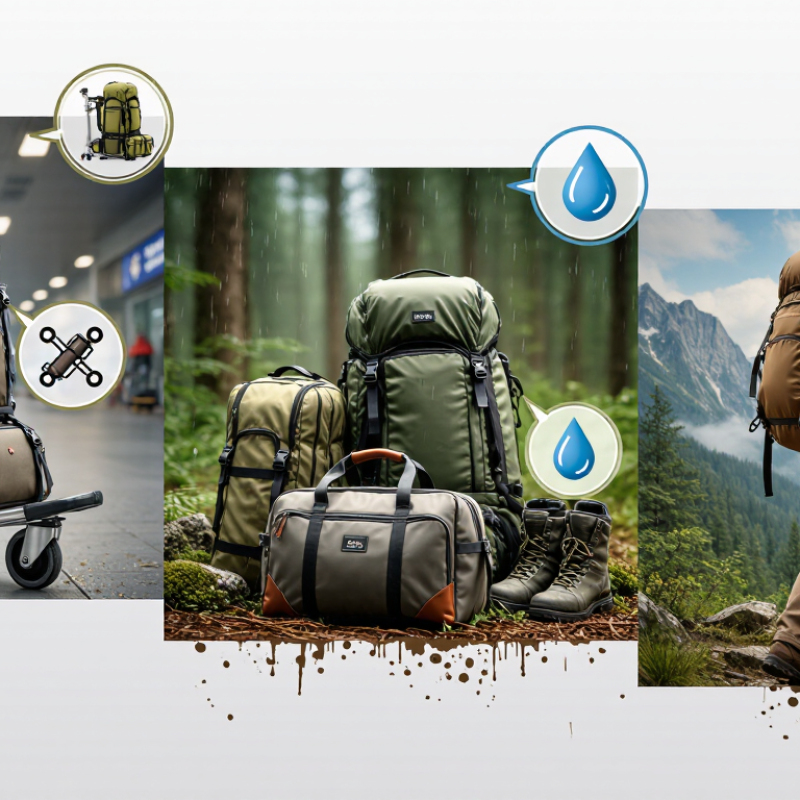
How to Choose Hunting Travel Bags for Global Buyers?

What Makes a Hunting Travel Bag Suitable for International Use?

For global hunting travel, a suitable bag must survive airports, wet trails, and long transfers. UN Tourism’s World Tourism Barometer reported about 1.4 billion international tourist arrivals in 2024. That volume means bags face repeated handling across very different climates and transport systems. Choose abrasion-resistant fabric, reinforced seams, and sealed zippers. A raised base helps when the bag rests on muddy ground. Water resistance matters, but full waterproofing is not always necessary.

SITA’s 2024 Baggage IT Insights recorded 6.9 mishandled bags per 1,000 passengers in 2023, affecting about 36.1 million bags. Clear identification is essential. Use a covered address label, interior contact card, and a unique color panel. Keep the exterior free from loose straps. Airline conveyors can catch them. Before purchase, check the empty weight, handle length, wheel strength, and permitted dimensions for likely carriers. International limits vary.

Security also deserves careful thought. Use lockable zippers and separate compartments for clothing, optics, documents, and ordinary outdoor equipment. Do not rely on one large cavity. A practical test is simple: pack the bag fully, lift it with one hand, and roll it over uneven pavement. If the frame twists, reconsider. I would also question highly rigid designs; they protect contents, yet add weight and waste space. No bag is perfect. Repairable panels and replaceable wheels may matter more than impressive specifications.
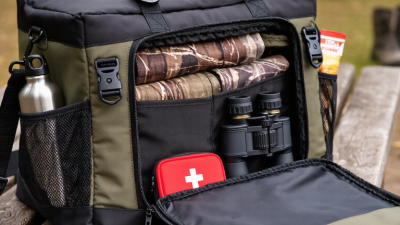
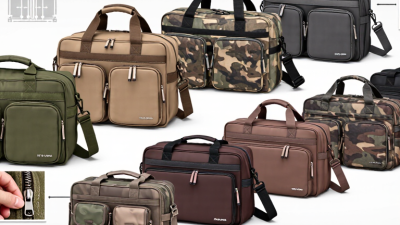
Choosing a Hunting Travel Bag for International Use

Compare common baggage-size reference points before choosing a bag. Airline limits vary, so always confirm the rules for every carrier on your itinerary.

How to use this: The chart shows linear dimensions (length + width + depth), not guaranteed allowances. For international trips, prioritize a durable, weather-resistant bag with secure closures, manageable weight, clear identification, and dimensions that meet your airline’s current limits. Check separate rules for firearms, ammunition, and other regulated equipment.

How to Match Bag Capacity, Compartments, and Hunting Gear

Choosing a hunting travel bag starts with your actual gear, not its advertised capacity. Lay out your clothing, binoculars, rangefinder, first-aid kit, water, snacks, and documents. Measure the packed volume before comparing bags. Space disappears quickly.

For short trips, a compact bag with 25 to 35 liters often works well. Longer journeys may require 40 to 60 liters, especially in cold climates. However, extra capacity can encourage overpacking and create unnecessary weight. I once selected a larger bag for a mountain trip and regretted it after several steep climbs. A smaller design might have improved comfort.

Compartments should support your routine. Use padded sections for optics and fragile equipment. Keep wet clothing separate from dry layers. Exterior pockets can hold maps, gloves, or quick-access tools. A protected hydration sleeve helps during long walks, while compression straps stabilize uneven loads. Check zipper movement with gloves on. Check it again in low light. Organization should remain simple enough to operate under stress.

Global buyers should also consider airline size limits, regional weather, and local transport requirements. Waterproof fabric helps during rain, but sealed construction can add weight. Ventilated back panels improve comfort in warm regions, while stronger padding suits rough travel. Test the bag with your complete load before departure. My own packing habits still change after every trip, because the “ideal” layout rarely survives real terrain.

Which Materials and Weatherproof Features Ensure Field Durability?

When choosing hunting travel bags for global buyers, inspect the material before admiring the design. Heavy-duty nylon offers a strong balance between weight, abrasion resistance, and price. Polyester can perform well, but its coating quality varies widely. For demanding field use, look for tightly woven fabric with reinforced stitching around handles and shoulder straps. I once tested a bag that felt strong, yet its thin base wore through after repeated contact with wet ground. Appearance can mislead.

Weatherproofing depends on construction, not only fabric. A durable water-repellent finish helps rain slide away, while a polyurethane-coated inner layer improves protection during longer exposure. Sealed or covered zippers are valuable around muddy trails and sudden storms. However, no travel bag is perfectly waterproof unless it uses specialized waterproof construction. Check the base, seams, and zipper ends carefully. A raised bottom panel can keep equipment away from puddles. Ventilated compartments also reduce damp odors after carrying wet clothing.

Tips: Choose fabric weight according to climate and load. Test the zipper with gloves. Press the seams gently. They should feel even and secure. For international travel, select a bag with replaceable straps and simple maintenance instructions. Dark colors hide dirt, but reflective details improve visibility in low light. I prefer practical features over excessive pockets, although this choice is not universal. Too many compartments can slow access when conditions change quickly.

How to Check Security, Comfort, and Airline Compatibility?

Choosing hunting travel bags for global buyers begins with airport security and reliable protection. Look for reinforced seams, durable closures, and a lockable main compartment. Internal dividers prevent equipment from shifting during rough handling. A rigid protective panel can reduce pressure damage from other luggage. Keep identification labels visible, but avoid showing detailed equipment information. Check current airline and destination requirements before packing. Rules can change. Security also means organized packing and quick inspection access.

Comfort matters during long transfers and outdoor travel. Choose padded shoulder straps, a supportive waist belt, and a breathable back panel. Adjustable straps should fit over winter clothing without restricting movement. Test the bag with realistic weight before departure. If it pulls backward, the load needs better balance. Small exterior pockets can hold documents, water, and personal essentials. Avoid filling every compartment. Less is sometimes better. A well-designed bag can still feel uncomfortable when overloaded.

Airline compatibility depends on packed dimensions, total weight, and construction. Measure the full bag, including wheels, handles, and protective covers. Compare those measurements with each carrier’s published limits. Do not assume one airline’s allowance applies globally. Hard cases offer strong impact protection but may add significant weight. Soft bags fit tighter spaces, yet they usually provide less structural support. Wheels improve convenience but create extra weight and possible failure points. Confirm inspection procedures before using a lock. A practical trial at home can reveal problems that product measurements miss. Mine would not fit the first time. That mistake was useful.

How to Choose Hunting Travel Bags for Global Buyers? - How to Check Security, Comfort, and Airline Compatibility?
Evaluation Area What to Check Practical Benchmark Why It Matters Buyer Action
Bag Purpose Identify whether the bag is intended for cabin travel, checked baggage, equipment transport, or short field trips. Choose a compact carry-on format for documents and personal items; choose a larger checked bag for clothing and non-sensitive equipment. A single bag format rarely provides the best balance of capacity, portability, and airline compatibility. Match the bag type to the complete travel itinerary before comparing materials or accessories.
Airline Carry-On Size Measure the exterior dimensions, including wheels, handles, feet, and pockets. A commonly used target is approximately 55 × 40 × 20 cm, but permitted limits vary by airline, route, and fare type. Oversized cabin luggage may need to be checked at the airport and may incur additional charges. Check the current cabin-bag dimensions and weight limit for every airline on the itinerary.
Checked-Baggage Size Calculate linear dimensions: length + width + height. Many airlines use 158 cm total linear dimensions as a common checked-baggage threshold, although limits differ. Linear measurement is often used to determine whether a suitcase falls within the standard checked-baggage category. Measure the fully packed bag externally and confirm the airline’s oversize rules before departure.
Bag Weight Check the empty weight and the maximum practical load. A lightweight travel bag is generally easier to keep below common checked-bag limits of around 23 kg, where applicable. The bag itself reduces the available allowance for clothing and equipment. Compare usable capacity rather than capacity alone, and leave room for airport scale differences.
Security and Access Control Inspect zipper quality, lockable pulls, buckle strength, and whether the main compartment can be secured. Use lockable zipper pulls, reinforced closures, and a separate compartment for passports, permits, and electronics. These features discourage casual access and help organize sensitive travel documents. Do not rely on a lock as a guarantee against theft; keep valuables and essential documents with you.
Inspection Compatibility Ensure the bag can be opened for lawful security inspection without damaging the closure system. A travel lock approved for the relevant airport-security system may allow authorized inspection in some countries, but rules differ internationally. Security agencies may open baggage for inspection, and incompatible locking systems can be cut or damaged. Review the security-lock requirements of each departure, transit, and arrival country.
Material Durability Evaluate fabric denier, stitching, seam binding, base protection, and abrasion resistance. For frequent travel, look for tightly woven synthetic fabric, reinforced stress points, and a protected bottom panel. Airport conveyors, vehicle loading, and outdoor terrain create repeated abrasion and impact. Inspect handle attachment points, corner panels, and wheel housings rather than judging only the fabric surface.
Weather Protection Check fabric treatment, zipper covers, seam construction, and the presence of a rain cover. Water-resistant fabric and covered zippers help with light rain; only a tested waterproof construction should be treated as waterproof. Outdoor travel may expose clothing and documents to rain, snow, mud, or condensation. Use internal dry bags for documents, optics, and electronic devices even when the outer bag is water-resistant.
Carrying Comfort Assess shoulder straps, back padding, hip support, handle length, and load distribution. Look for padded, adjustable shoulder straps, breathable back padding, and a sternum strap on backpack-style bags. Comfort improves when the load stays close to the body and does not shift during walking. Test the bag with a realistic load rather than evaluating it when empty.
Rolling Performance Check wheel diameter, wheel protection, handle stability, and rolling noise. Larger wheels generally handle uneven surfaces better; recessed wheels are better protected but reduce internal capacity. Travelers may move between airport floors, parking areas, gravel paths, and vehicle loading zones. Choose wheels based on the expected terrain and verify that the extended handle does not wobble excessively.
Internal Organization Review dividers, compression straps, transparent pockets, and separate wet-item compartments. Use dedicated compartments for documents, clothing, footwear, wet gear, and small tools. Organization reduces unpacking time and prevents wet or dirty items from contacting clean clothing. Prefer flexible compartments that can adapt to different trip lengths and equipment loads.
Equipment Protection Check padding thickness, removable inserts, compartment adjustability, and impact protection. Use padded, adjustable inserts for delicate equipment and keep hard or sharp objects away from fabric walls. Movement and compression during transit can damage optics, electronics, and precision accessories. Pack delicate items in protective cases inside the travel bag and avoid placing heavy objects on top.
Odor and Cleanability Inspect lining material, ventilation, removable panels, and washable surfaces. A smooth, wipe-clean lining and removable organizer help manage moisture, dirt, and outdoor odors. Field clothing and footwear can carry mud, sweat, and strong odors into the luggage. Choose materials that can be cleaned with mild soap and water; dry the bag completely before storage.
Restricted-Item Awareness Consider whether the planned contents may be regulated by aviation or customs authorities. Firearms, ammunition, blades, animal products, batteries, aerosols, and fuels may have specific packing and declaration requirements. Bag design cannot override airline, airport, customs, or national regulations. Check official rules before packing and use approved containers where required.
Identification and Recovery Look for a covered luggage tag, internal contact card, and a distinctive but non-sensitive identifier. Use a durable external tag with limited personal information and keep a second contact record inside the bag. Clear identification improves the chance of recovering delayed or misplaced luggage. Photograph the bag and its contents before departure and record its dimensions and weight.
Final Airline Check Verify current baggage rules for all operating carriers, transfer airports, and fare classes. Confirm size, weight, number of bags, sports-equipment rules, restricted items, and excess-baggage charges. Airline policies can change and may differ between the marketing carrier and the carrier operating the flight. Use the operating airline’s official baggage information shortly before travel.

Important: Airline baggage limits, security procedures, customs requirements, and restricted-item rules vary by country, route, aircraft, and fare type. Always confirm the latest requirements with the operating airline and relevant authorities before departure.

How to Compare Suppliers, Costs, and Import Requirements Globally

When choosing hunting travel bags for global buyers, compare suppliers beyond catalog photos. Request factory address, production capacity, material specifications, and recent quality records. A reliable supplier should explain fabric weight, stitching density, zipper performance, and water-resistance testing. Ask for a sample before placing a large order. Small details matter, such as reinforced handles and quiet buckle operation.

Calculate the landed cost, not only the unit price. Include sampling, packaging, inspection, freight, insurance, customs duties, storage, and possible currency changes. Compare quotations under the same Incoterm, such as FOB or DAP. A low quote may exclude port charges or documentation fees. I have found that suppliers sometimes estimate freight too optimistically. Recheck the figure with an independent forwarder.

Tips: Prepare a specification sheet with dimensions, empty weight, load capacity, fabric composition, color tolerance, and carton size. Confirm the correct HS classification with a customs broker before shipping. Import requirements vary by destination, but documents may include a commercial invoice, packing list, transport document, and country-of-origin information. Check textile labeling, packaging rules, restricted-material controls, and product safety requirements. Request pre-shipment inspection photos, carton measurements, and test reports. Do not assume one country’s rules apply everywhere. That assumption can become expensive.