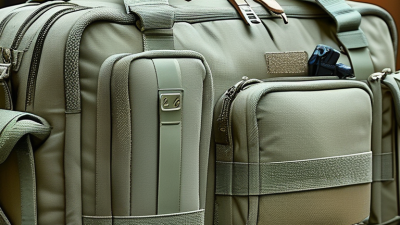
Top 10 Hunter Bag Manufacturers for Global Buyers
Choosing a reliable Hunter Bag manufacturer requires more than comparing factory photos or attractive catalog prices. Global buyers need dependable materials, consistent stitching, clear communication, and responsible production practices. This guide introduces ten manufacturers serving international markets, with attention to practical sourcing concerns.
The evaluation considers product quality, customization ability, production capacity, minimum order quantities, lead times, and export experience. It also examines fabric strength, zipper performance, reinforced handles, lining quality, and packaging details. Small defects often appear in these areas first. Sample testing remains essential.
Information should come from manufacturer documentation, buyer feedback, factory communication, and, where available, independent verification. Certifications and audit claims deserve careful checking. A polished website is not proof of reliable performance. Some supplier information may change, so buyers should confirm current details before placing orders.
The selected companies may suit different needs, including retail collections, outdoor brands, promotional programs, and lawful sporting applications. Some focus on flexible customization, while others offer stronger volume capacity or specialized materials. No ranking can fit every purchasing strategy. A smaller factory may provide closer communication, but it may also face production limits during busy seasons.
This overview aims to support informed decisions, not replace due diligence. Buyers should request samples, review commercial terms, confirm ethical standards, and test products under realistic conditions. A durable Hunter Bag should survive handling, storage, and regular field use. The right manufacturer combines craftsmanship, transparent service, and dependable delivery. Reliability is built through evidence.
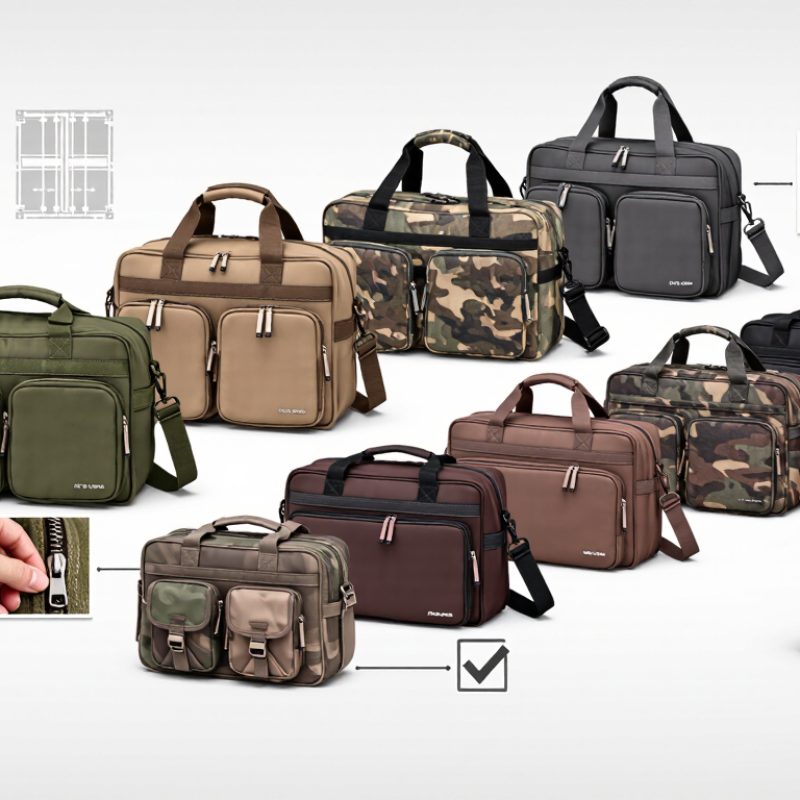
What Makes a Hunter Bag Manufacturer Suitable for Global Buyers
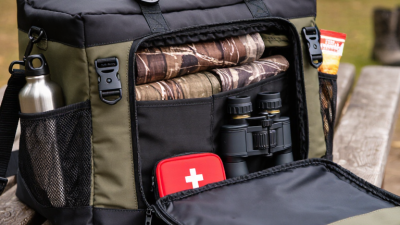
A suitable hunter bag manufacturer understands that global buyers need more than a durable product. The bag should use abrasion-resistant fabric, reinforced stitching, reliable zippers, and comfortable load support. Practical details matter: padded shoulder straps, drainage holes, quiet closures, and separate compartments can improve field use. A manufacturer should also explain material specifications clearly, without hiding weaknesses.
Production experience becomes visible through samples and testing records. Buyers should request seam-strength tests, colorfastness checks, waterproofing results, and inspections from completed batches. Consistent sizing is important when bags must fit standard outdoor equipment. Clear drawings and measured prototypes reduce costly misunderstandings. Still, samples can look better than mass production. That risk deserves attention.
A dependable supplier communicates in precise English and provides realistic lead times, packaging details, and shipping documents. They should support lawful outdoor activities and respect destination-country requirements for materials, labeling, and product safety. Responsible sourcing also matters, especially when fabric coatings, dyes, or animal-derived materials are involved. Certifications can support trust, but buyers should verify their scope and validity. Low minimum order quantities may help smaller importers, while flexible customization can serve regional needs. However, endless options often create delays. A focused specification is usually wiser. A strong warranty process, responsive after-sales service, and documented corrective actions reveal how a manufacturer handles mistakes. Perfect suppliers are rare; transparent ones are more valuable.
What Makes a Hunter Bag Manufacturer Suitable for Global Buyers?
This weighted suitability index reflects the practical factors global buyers commonly assess when selecting a hunter bag manufacturer. Product durability, quality control, regulatory compliance, customization capability, delivery reliability, and export readiness are prioritized because they directly influence product performance, market access, and supply-chain risk. The scores are evaluation weights rather than company or brand results.
Key Criteria for Evaluating Hunter Bag Manufacturers
Top 10 Hunter Bag Manufacturers for Global Buyers
Key Criteria for Evaluating Hunter Bag Manufacturers
Choosing a hunter bag manufacturer requires more than comparing catalog prices. Start with material performance, stitching quality, and load-bearing design. A reliable supplier should explain fabric grades, coating methods, zipper sources, and seam reinforcement clearly. Ask for recent product samples. Inspect strap comfort, pocket access, edge binding, and odor after unpacking. Small defects often reveal weak production controls.
Production consistency matters for global buyers. Review factory capacity, quality checkpoints, worker training, and inspection records. Request pre-shipment photographs and independent testing when suitable. Verify abrasion resistance, colorfastness, water resistance, and weight tolerance against written specifications. Certifications can support credibility, but they should match the actual facility and product. Paperwork alone proves little.
Compliance deserves careful attention. Confirm labeling, packaging, chemical restrictions, import documents, and destination-market requirements before placing an order. Ask whether the manufacturer can provide traceable material records and stable replacement parts. Clear lead times and realistic minimum order quantities reduce avoidable pressure. Communication quality is also evidence. Slow answers may become costly delays.
I have learned that the cheapest quotation is rarely the clearest value. Yet higher prices do not guarantee better workmanship. Compare total cost, service response, defect handling, and delivery history. One overlooked issue remains fit testing. A bag may pass laboratory checks but feel uncomfortable during long field use. That gap deserves honest review.
Top 10 Hunter Bag Manufacturers in the Global Market
Top 10 Hunter Bag Manufacturers in the Global Market
The global market for hunter bags includes manufacturers with different strengths, materials, and production systems. Reliable suppliers usually offer field-tested designs, stable stitching, and clear material documentation. Buyers should examine capacity, lead times, and quality controls before placing large orders. A useful factory visit reveals more than a polished catalog.
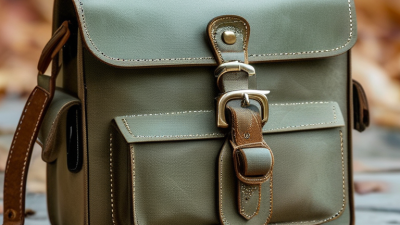
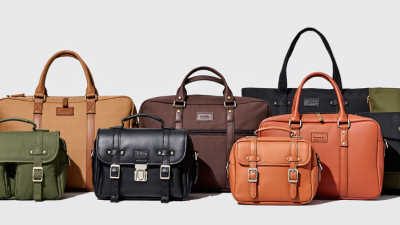
The strongest manufacturers often use waxed canvas, treated leather, recycled nylon, or abrasion-resistant polyester. Each material performs differently in rain, brush, and cold conditions. Reinforced seams matter around straps, pockets, and loaded compartments. Quiet fabric can improve movement in the field, while drainage panels help after wet-weather use. Small details matter.
Factory experience should be verified through samples, inspection reports, and production records. Buyers can request colorfastness tests, zipper-cycle checks, and load-bearing evaluations. Compliance with import rules, labeling requirements, and workplace standards also supports dependable trade. No factory is flawless. A sample can still mislead. Production consistency deserves repeated inspection, not one confident promise. Manufacturers that communicate delays honestly are often safer partners than suppliers offering unrealistically low prices. Clear purchase specifications should cover dimensions, tolerances, packaging, defect limits, and replacement procedures. Experienced sourcing teams may also review worker training and material traceability. The review process is slower, but it prevents expensive surprises across international shipments.
Comparing Product Quality, Materials, Capacity, and Customization
When comparing the top 10 hunter bag manufacturers, product quality should be tested beyond photographs. Examine stitching density, zipper movement, edge binding, and stress points around the shoulder straps. A reliable bag should remain stable when loaded, not merely look rugged on a catalog page. Field testing matters. Carry it through wet grass, brush, and uneven ground. Small flaws often appear after repeated use.
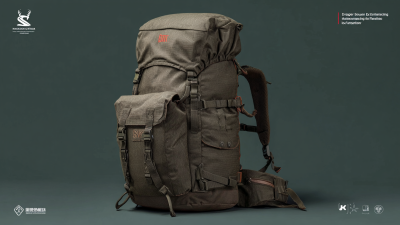
Materials strongly affect durability, weight, and comfort. Waxed canvas offers a traditional feel, while ripstop nylon usually reduces weight and dries faster. Full-grain leather can improve abrasion resistance, but it may require more maintenance. Capacity should match real equipment, not an impressive number alone. Check the main compartment, side pockets, internal dividers, and access speed. A 25-liter bag may feel spacious until bulky clothing fills it. I have found that overbuilt bags can become tiring during long walks. That is worth reconsidering.
Tips: Request material samples, stitching photos, and a completed production sample before placing a large order. Ask manufacturers to confirm capacity through actual measurements, including usable internal space. For customization, review logo placement, fabric color, hardware, lining, and minimum order quantities in writing. Clear specifications reduce costly misunderstandings. However, even detailed instructions cannot replace inspection. Independent quality checks are useful when shipment timing and consistency matter.
How Global Buyers Can Verify and Select the Right Manufacturer
Top 10 Hunter Bag Manufacturers for Global Buyers
How Global Buyers Can Verify and Select the Right Manufacturer
Choosing among the top 10 hunter bag manufacturers requires more than comparing online photos. A professional buyer should request a factory profile, production address, ownership details, and recent export records. Confirm whether the facility produces bags directly or outsources most operations. This distinction affects quality control, lead times, and accountability.
Ask for a sample made from the same fabric, lining, zippers, webbing, and thread used in mass production. Inspect shoulder strap stitching, pocket alignment, seam strength, and water resistance. A sample may look excellent while hiding inconsistent production standards. Request a small pilot order before approving a large shipment. It exposes practical problems early.
Verify material specifications and applicable product safety documents for your destination markets. Review inspection procedures, carton labels, packaging methods, and replacement policies in writing. Speak with two recent customers, not only the references selected by the factory. Check whether they received orders on time and whether defects were handled fairly. Factory videos are useful, but an independent audit provides stronger evidence. No checklist is perfect. I would also compare replies over several days, because unclear answers often predict future delays. The lowest quotation can become expensive after rework, rejected goods, or missed seasonal sales. Choose the manufacturer that communicates precisely, documents every promise, and can repeat the same quality at scale.



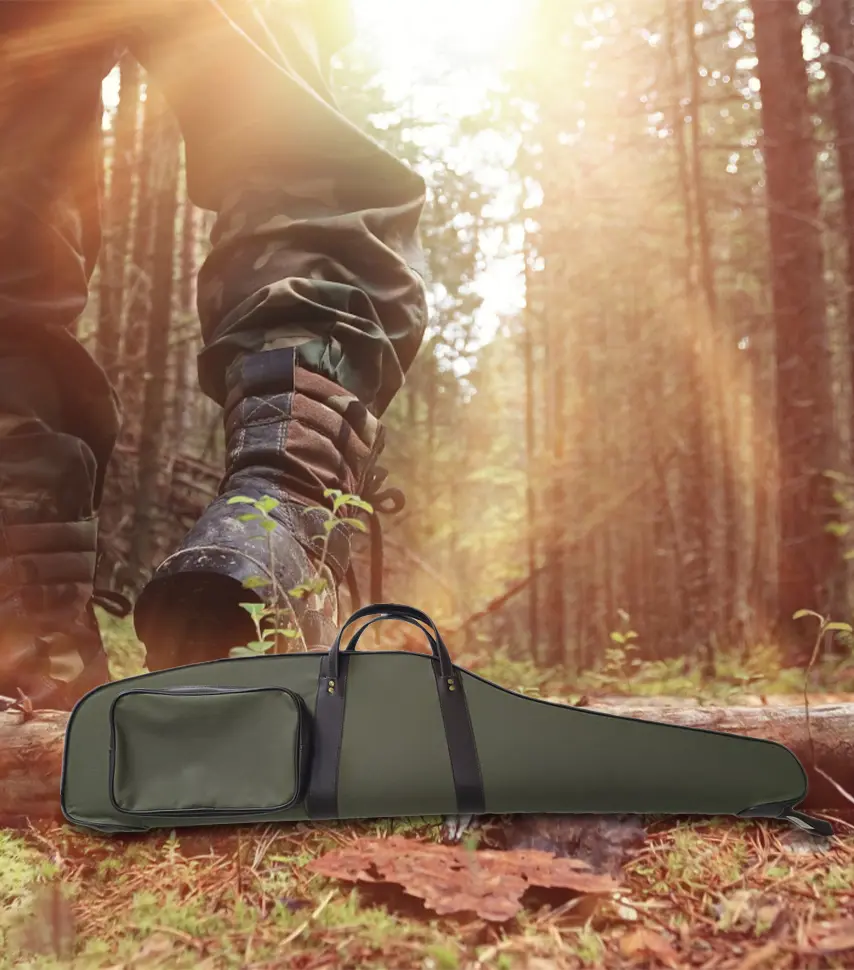 Hunting And Shooting Bag LSH
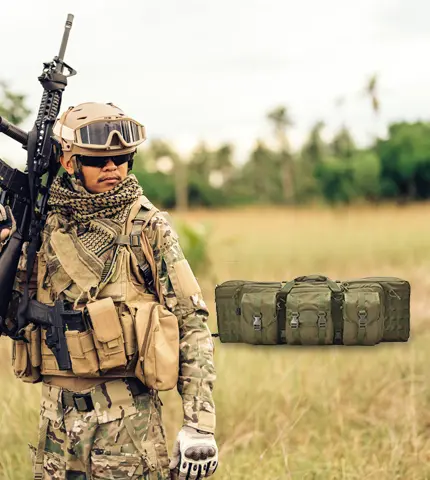 Tactical Military Bag & Vest LST
 Archery Bag LSC
 Fishing Bag LSF
 Others LSB